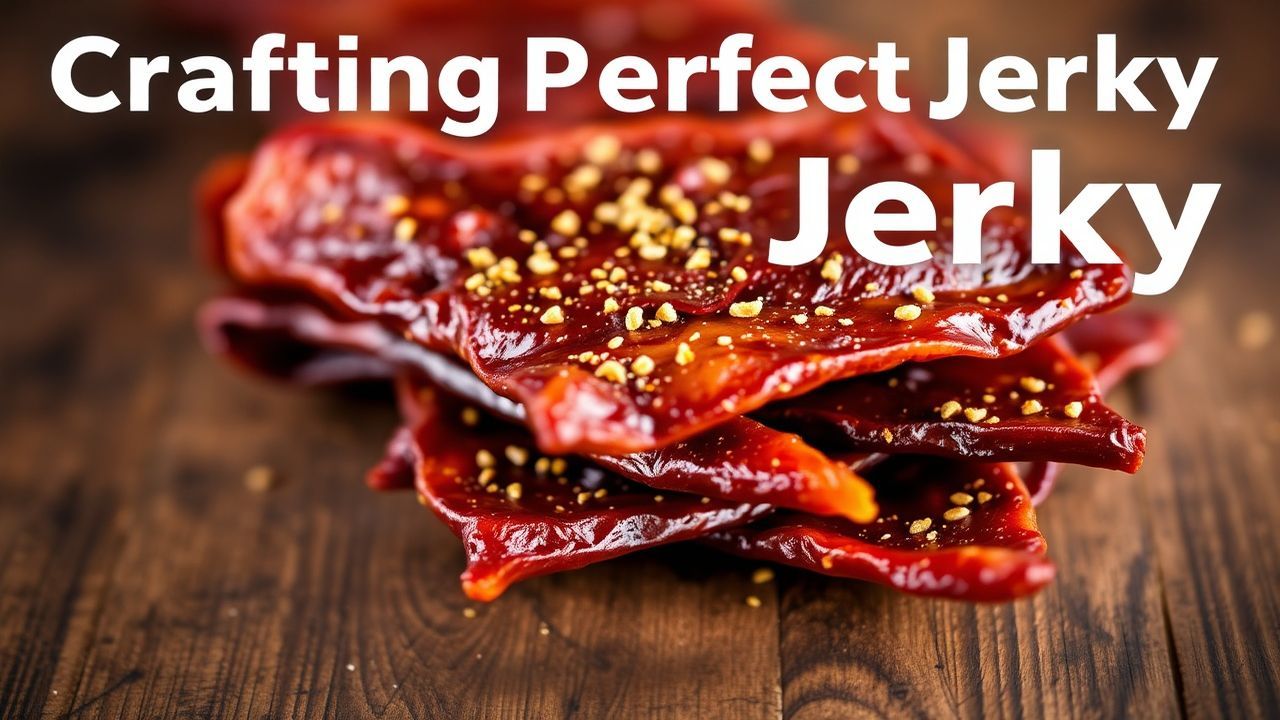

Jerky concentrates protein and flavor through controlled dehydration and predictable technique. Follow a step-by-step workflow to produce consistent, safe, shelf-stable jerky at home.
- Control cut, thickness, and temperature to manage texture and safety.
- Limit surface moisture and sugar to extend shelf life without sacrificing taste.
- Rotate and test trays to avoid uneven drying and brittle strips.
- Package cold, vacuum when possible to preserve freshness and reduce oxidation.
Prep and Cook Time
Plan time around three stages: prep, marination, and dehydration. Active prep typically runs 20–40 minutes; marinate overnight for predictable flavor penetration.
Dehydration takes 4–8 hours depending on slice thickness and humidity. For an overview of drying principles see food dehydration, which explains moisture removal mechanics and why time varies.
Yield and Difficulty
A rough yield is 35–45% of raw weight after drying, so 500 g raw will produce roughly 175–225 g finished jerky. Yield shifts with fat content, slice uniformity, and final moisture target.
Difficulty ranks intermediate: you must control temperatures, slicing technique, and sanitation for safe results. Use a digital thermometer and consistent slicer to increase repeatability.
Ingredients
Select a lean, steady-cut muscle to avoid internal fat that shortens shelf life. Common commercial choices trace to classical butchery cuts; for reference see beef cut guides.
Measure precisely and keep added sugars low to prevent edge over-drying and caramelization at higher temperatures. Below is a reliable starting list you can adjust by weight and taste.
- 500 g lean beef (top round or sirloin), thinly sliced (≈1/8 in)
- 1/4 cup low-sodium soy sauce
- 2 tbsp Worcestershire sauce
- 1 tbsp apple cider vinegar
- 1 tbsp brown sugar, packed
- 1 tsp smoked paprika
- 1 tsp garlic powder
- 1 tsp onion powder
- 1/2 tsp cracked black pepper
- 1/2 tsp liquid smoke (optional)
- Pinch red chili flakes (optional)
Instructions
Follow these steps to control food safety and texture outcomes. Keep work surfaces clean and refrigerate promptly between stages.
Freeze the meat 60–90 minutes to firm it; firm meat slices more evenly and gives a consistent chew after dehydration. Uniform thickness beats variable slices every time.
- Choose your cut: Trim all visible fat. Fat does not dehydrate well and shortens shelf life.
- Slice with precision: Cut against the grain for a more tender bite; with the grain for chewier pieces. Aim for uniform 1/8-inch strips.
- Mix the marinade: Combine soy, Worcestershire, vinegar, sugar, and spices until the sugar dissolves. Stir to create a homogeneous solution for even flavor uptake.
- Marinate: Place meat and marinade in a resealable container and refrigerate 8–12 hours. Turn the meat occasionally to ensure even absorption.
- Drain and pat dry: Remove meat and blot with paper or a clean cloth. Removing surface liquid improves airflow and reduces drying time.
- Arrange trays: Lay strips in a single layer without overlap. Ensure good air circulation by spacing strips and leaving space between trays.
- Dehydrate: Maintain 155°F (68°C) internal drying environment for 4–8 hours. Use a calibrated thermometer and check for pieces that are dry to the touch yet pliable.
- Cool and package: Cool completely at room temperature, then store in airtight containers or vacuum-seal for longer life. Label date and batch for traceability.
Tips for Success: Elevating Your Jerky Process
Use a mandoline or slicer for consistent thickness; inconsistency causes mixed textures in the same batch. Aim for repeatable slice angle and firm, cold meat for clean cuts.
Rotate trays halfway through drying to equalize airflow and inspect a small test piece early. Testing prevents a full-batch failure and helps dial in your equipment.
For smoky profiles, integrate low, steady smoke late in the drying cycle rather than hot smoking early. If you want to explore smoking methods, see smoking (cooking) for technique basics.
When using a household oven, leave the door slightly ajar to vent moisture and watch temperatures carefully. For process notes on sealing and preservation, consult your vacuum-sealing guide for best practices.
Serving Suggestions
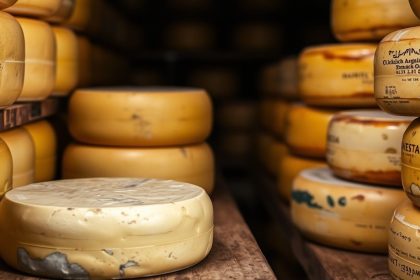
Serve jerky as a standalone high-protein snack or pair it with cheese and fruit for contrast. Thin slices on a board create pleasing bite-sized portions for tastings.
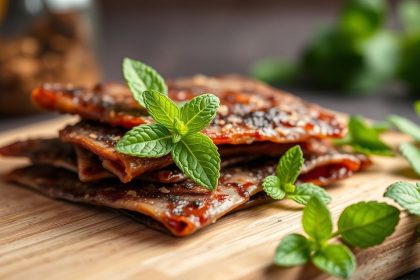
Use garnishes sparingly: a sprinkle of smoked salt or a few herb leaves enhance aroma without overpowering the meat. Store plated jerky in single layers to avoid sticking.
Storage and Food Safety
Drying lowers water activity but does not sterilize meat; follow safe-handling protocols to prevent spoilage. For definitions and regulatory context refer to food safety.
Refrigerate jerky for several weeks or vacuum-seal and freeze for months. If you cut sodium, refrigerate immediately after drying to offset the reduced preservation effect.
Before long-term storage, cool to room temperature and remove any residual moisture from packaging. A small moisture test—placing a cooled strip in a sealed bag overnight—helps detect incomplete drying.
Nutritional Profile
Jerky concentrates protein. A typical 25 g serving yields about 90 kcal and approximately 12 g protein, depending on cut and marinade.
Control sodium and added sugar to tune macros and preservation. Homemade jerky gives you control to reduce sodium compared with many commercial options.
| Nutrient | Per Serving (25 g) |
|---|---|
| Calories | 90 kcal |
| Protein | 12 g |
| Carbohydrates | 2 g |
| Fat | 3 g |
Innovative Spice Blends to Elevate Jerky
Toasted whole spices like coriander and cumin release essential oils that intensify aroma and mouthfeel. Toast seeds briefly on low heat and grind just before mixing to preserve volatile oils.
Introduce small percentages of smoked chile, dried hibiscus, or citrus zest to add complexity without overwhelming the protein. Small changes to percent composition on a gram scale yield predictable shifts in flavor strength.
Dehydration Science
Dehydration reduces available water to slow microbial growth and enzymatic reactions. Control these variables by managing slice thickness, airflow, and temperature.
Equipment matters: dedicated dehydrators maintain steady airflow and temperature, while ovens require monitoring and airflow management. For more on drying technologies and principles see food dehydration.
Q&A
Below are concise answers to common production questions. These focus on repeatable methods grounded in food science and hands-on experience.
Use these answers as troubleshooting prompts; log time and temperature for each batch so you can iterate effectively.
FAQ
How long should I marinate meat for jerky?
Marinate 8–12 hours for full flavor penetration; overnight is common. Shorter marination works with stronger seasoning but reduces depth of flavor.
What temperature is safe for drying jerky?
Maintain a drying environment of about 155°F (68°C) for 4–8 hours, adjusted for thickness and device. Use a calibrated thermometer to confirm your dehydrator or oven maintains the target.
How do I store jerky long term?
Vacuum-seal and freeze for multi-month storage; refrigerated airtight containers keep jerky stable for several weeks. Label and date packages to track shelf life.
Can I make jerky low-sodium?
Yes. Reduce salt and boost umami with low-sodium condiments or dried mushroom powder. If you lower sodium, prefer refrigerated storage to offset reduced preservative effect.
Why did my jerky turn out moldy?
Mold usually means inadequate drying or contaminated storage. Discard moldy batches and review drying time, tray spacing, and pre-storage cooling to prevent recurrence.
See also: Smoking techniques and Vacuum-sealing guide for process extensions and packing advice.
See also: jerky