
Homemade ghee offers concentrated flavor and a long usable life when produced and stored correctly. Many home cooks ask a single practical question: how long will my ghee remain fresh and safe to eat?
- What is ghee and why its stability matters
- Key factors that determine homemade ghee shelf life
- Typical shelf-life ranges you can rely on
- Signs that ghee has gone bad
- Storage best practices to maximize freshness
- How to prepare homemade ghee with longevity in mind
- Nutritional and culinary considerations over time
- FAQ
- Keep ghee cool and dry to slow oxidation and spoilage.
- Proper clarification and filtration removes milk solids that shorten shelf life.
- Room temp vs fridge vs freezer gives predictable shelf-life ranges you can plan around.
- Visual and smell checks catch rancidity early so you discard unsafe batches.
What is ghee and why its stability matters
Ghee is clarified butter that comes from simmering butter to remove water and milk solids, leaving mostly fat. This process yields a product prized for its nutty aroma, high smoke point, and extended stability compared with whole butter.
For technical context, read about Ghee and how it differs from clarified butter. Understanding those differences helps explain why ghee lasts longer under typical home conditions.
Key factors that determine homemade ghee shelf life
Several controllable variables determine how long a jar of homemade ghee stays fresh. These include the quality of the starting butter, how thoroughly you remove moisture and milk solids, and how you store the finished product.
Each factor affects either microbial risk or chemical stability. For example, residual water supports microbial growth, while exposure to oxygen speeds lipid oxidation and rancidification, which harms flavor and safety.
Butter quality and composition
Begin with high-quality, unsalted butter; lower-moisture, grass-fed butter often contains more stable fats and antioxidants. These natural antioxidants can slow oxidation, so butter provenance matters for long-term stability.
Also, salted butter can introduce moisture and ions that change how milk solids separate. Therefore, choose unsalted butter if your priority is maximum shelf life and predictable flavor.
Cooking technique and filtration
Simmer slowly on low heat until you see clear fat and browned milk solids at the bottom. The goal is complete evaporation of water and controlled browning; too high a heat risks burning milk solids and forming off-flavors.
Strain the hot ghee through a fine mesh or cheesecloth into a sterilized jar to remove solids. Removing those solids reduces both microbial risk and sites for early oxidation.
Storage conditions and packaging
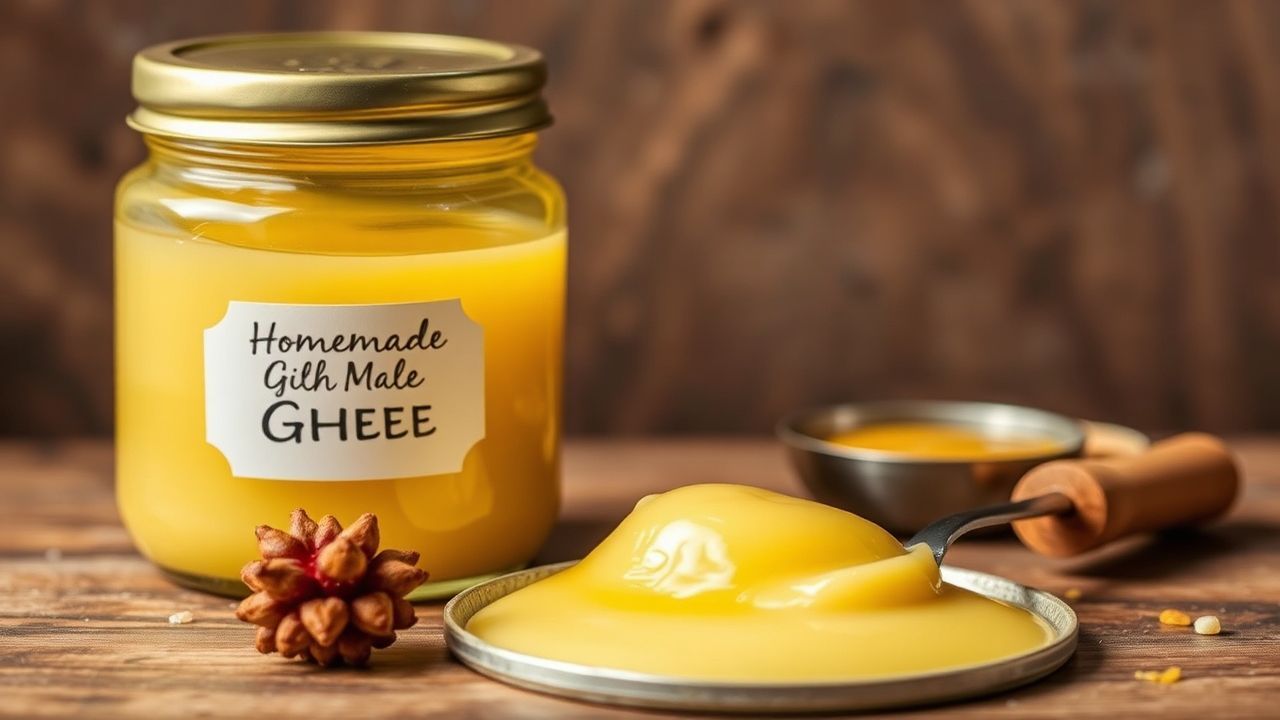
Store ghee in a clean, airtight container kept away from light and heat. Glass jars with tight lids work best, because they do not leach flavors and they form an effective barrier to air.
Minimize repeated exposure to air and moisture by using a dry spoon and returning the lid promptly. Also, avoid storing ghee near a stove or window where temperature swings accelerate degradation.
Typical shelf-life ranges you can rely on
When made and stored properly, homemade ghee has predictable longevity that aligns with its low moisture and low protein content. Expect different time frames depending on where you keep it.
Use the following practical ranges as a baseline, then adjust for your kitchen conditions and frequency of use.
- Room temperature: 3 to 6 months in a cool, dark pantry.
- Refrigerator: 6 to 12 months; refrigeration slows oxidation and microbial growth.
- Freezer: 12 to 24 months; freezing preserves flavor and halts most chemical reactions.
Also, label jars with the production date and a target discard date based on the storage range you choose. This simple habit prevents guesswork and reduces food waste.
Signs that ghee has gone bad
Ghee does not spoil like perishable dairy, but it can become rancid or develop surface mold if contaminated. Watch sensory cues: smell, color, and visible growth.
A fresh jar shows a clear golden color and a sweet, nutty aroma. Any sour, bitter, or chemically metallic odor indicates oxidation and a likely loss of quality and safety.
Smell and taste changes
Rancid ghee often smells sharp, bitter, or soapy, rather than sweet and nutty. Always perform a quick smell test before use; if the aroma seems off, discard the jar.
Taste only a small amount if smell is ambiguous. Do not swallow a large quantity: rancid fats can cause digestive upset and signal chemical breakdown of fatty acids.
Visual cues and contamination
Cloudiness, dark streaks, or visible mold are clear signs of contamination or poor storage. Mold forms if moisture or food particles enter the container, so discard any jar showing growth.
Minor color darkening from mild browning during clarification is normal. However, rapid darkening after storage suggests oxidation and decreased quality.
Storage best practices to maximize freshness
Adopt a few strict habits and you will preserve flavor and safety for months. First, always use sterilized jars and dry utensils when handling ghee.
Second, cool ghee fully at room temperature before sealing. A warm, sealed jar can condense moisture and invite spoilage.
Container selection and handling
Choose glass jars with metal or airtight plastic lids that form a close seal. Avoid porous containers and re-used jars that may hold crumbs or moisture.
When scooping, always use a dry, clean spoon. Wet utensils introduce water and particles that shorten shelf life. Also, refill small jars from a master sealed jar rather than transferring back and forth.
Temperature control and placement
Place ghee on a middle pantry shelf away from heat sources. Consistent cool temperatures slow chemical reactions and maintain texture.
If you live in a warm climate, refrigerate your ghee. For long-term storage beyond a year, freeze in airtight containers with minimal headspace to limit freezer burn.
How to prepare homemade ghee with longevity in mind
Control each step of the process carefully. Begin with fresh unsalted butter and a clean, heavy-bottomed pan to ensure even heat distribution.
Simmer on low heat until the bubbling subsides and milk solids brown gently. Skim foam as needed, then strain through a fine cloth into sterilized jars while hot.
- Use high-quality butter and work with small batches for frequent use.
- Clarify fully: ensure water has evaporated and solids have settled and browned slightly.
- Filter thoroughly and seal jars after cooling to room temperature.
Nutritional and culinary considerations over time
Ghee is predominantly fat, so its macronutrient content remains stable as long as the product does not become rancid. The absence of milk solids reduces microbial risk and keeps nutrient loss slow.
Culinary uses expand over time: older ghee still performs well for high-heat cooking, provided it smells and looks clean. However, fresher ghee gives superior aroma and delicate flavor when used as a finishing fat.
FAQ
How long can I keep ghee at room temperature?
When made and stored correctly, ghee stored in a cool, dark pantry typically lasts 3 to 6 months. Use airtight glass containers and avoid heat or light exposure for best results.
Does refrigeration help ghee last longer?
Yes. Refrigeration slows oxidation and microbial growth, extending ghee’s shelf life to 6–12 months. Always use a clean, dry spoon to scoop so you do not introduce moisture.
Can I freeze ghee, and for how long?
Freezing preserves ghee for 12–24 months without significant flavor loss. Freeze in airtight containers and thaw in the refrigerator or at room temperature; avoid repeated freeze-thaw cycles.
What is the best way to tell if ghee is rancid?
Smell is the fastest indicator: a sour, sharp, or off-putting odor means rancidity. Visual mold or sudden darkening are additional clear signs that you should discard the product.
Will homemade ghee be safer or less safe than store-bought?
Homemade ghee can be as safe as commercial products when you use proper technique and sterile storage. Commercial ghee may include stabilizers, but clean home production and correct storage yield a high-quality, long-lasting product.
For broader context on preservation principles consult the general Shelf life overview. Together with the chemistry of fats, those concepts explain why ghee remains reliable when handled correctly.
See also: homemade ghee