
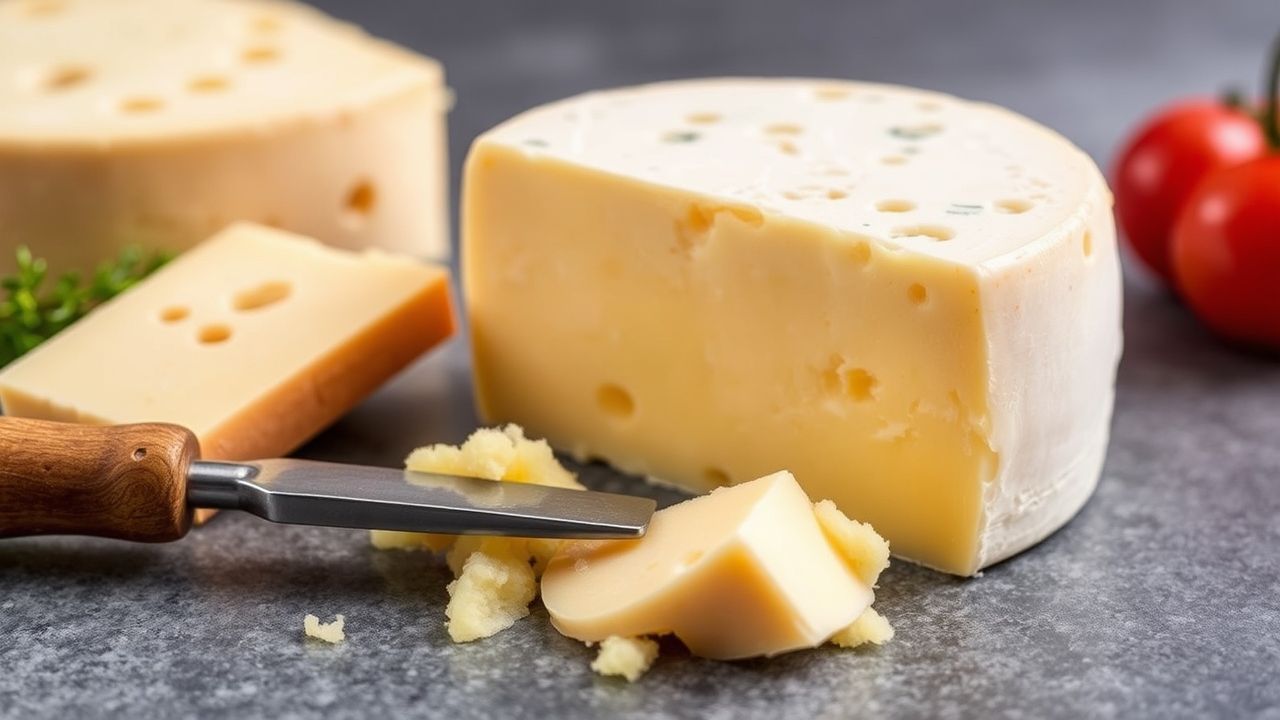

7 Expert Fixes: Why Is My Smoked Cheese Rubbery?
There is a particular disappointment when a well-smoked block of cheese turns rubbery under the knife. This texture signals a mechanical change in the cheese matrix driven by temperature, moisture shifts, or an unfavorable fat-to-protein balance.
- Low steady temperature preserves fat dispersion and prevents protein tightening.
- Choose the right cheese — semi-hard varieties tolerate smoke best.
- Rest properly so smoke volatiles and moisture equilibrate across the block.
- Salvage smartly by using rubbery batches in melting applications.
Why smoked cheese becomes rubbery
Rubberiness appears when casein networks contract and expel water or fat. The contraction produces an elastic, tacky bite instead of a smooth, yielding mouthfeel.
Temperature drives that transformation. When ambient smoker air climbs, fat softens and may separate while proteins tighten. For background on cheese structure, see cheese.
Key physical factors: proteins, fat, and moisture
The cheese matrix relies on casein micelles, fat globules, and trapped water to deliver texture. Stress these components with heat or drying and the matrix tightens or collapses.
Age and moisture content change how a block reacts. Younger, high-moisture cheeses tend to collapse into gummy textures, while very dry cheeses can become brittle. For technical context on casein, see casein.
Temperature: the single most controllable variable
Keep cold-smoking ambient air consistently under about 90°F (32°C). Maintaining this band transfers smoke compounds without initiating major protein rearrangement.
Use a reliable thermometer and check often. If the smoker drifts above the target, pause smoke generation or add ventilation until the temperature returns to range.
Prep and timing
Preparation sets outcomes. Bring cheese to cool room temperature first to reduce condensation and promote even smoke deposition across the surface.
Plan shorter sessions and allow at least 24–48 hours of refrigerated rest. Short smoke exposure plus longer rest often produces stronger perceived smoke with less textural damage.
Ingredients and equipment
Select a semi-hard block such as Gouda, Cheddar, or Monterey Jack for predictable behavior. Uniform blocks smoke evenly and reduce localized overheating.
Essential tools include a cold smoker or indirect-smoke setup, hardwood chips, a raised rack for airflow, and a thermometer. Avoid direct flame and close proximity to heat sources.
Smoking process: step-by-step
Set up the smoker to hold 75–90°F (24–32°C) and generate clean, steady smoke. Place cheese on a raised rack to allow 360° air flow and avoid stacking.
Smoke 1–3 hours for a 1 lb (450 g) block, adjusting in one-hour increments to map intensity. Then wrap loosely and refrigerate for 24–48 hours to let smoke volatiles redistribute.
- Select an appropriate cheese: Use semi-hard varieties to reduce risk of rubberiness.
- Prepare the smoker: Maintain 75–90°F (24–32°C); avoid direct heat.
- Control wood chips: Use fruitwoods or mild hardwoods; avoid resinous softwoods.
- Smoke carefully: Start with one hour and evaluate; longer sessions increase intensity.
- Rest refrigerated: Minimum 24 hours; 48 hours usually gives smoother texture.
Practical handling tips
Bring blocks to consistent temperature and avoid handling them with hot hands or warm surfaces. Consistent initial temperature prevents pockets of condensation that can alter smoke pickup and drying.
Rotate cheese during long sessions if your smoker shows airflow hotspots. Small adjustments preserve even moisture distribution and prevent localized tightening.
Tips for success: expert advice on texture
Prioritize stable ambient air and steady smoke density. Two variables—temperature and drying—explain most texture failures, so monitor both closely.
Use uniform block shapes and avoid very young or very dry cheeses if you want repeatable results. Record time, wood type, and ambient humidity for every batch to build a quick reference table.
Common mistakes and how to avoid them
High smoking temperature and uneven airflow cause the most failures. Both create localized melting or over-drying that the cheese cannot repair during rest.
Another frequent error is insufficient resting time. Skipping refrigeration after smoking leaves moisture gradients unbalanced and increases chewiness on first cuts.
Post-smoking salvage strategies
If a smoked block turns rubbery, you can recover its value. Let it sit at room temperature for 30–60 minutes before slicing to soften the bite for boards or sandwiches.
Use rubbery cheese for melting applications: shred into sauces, fold into mac and cheese, or layer in grilled sandwiches. Heat breaks elastic bonds and smooths mouthfeel when used correctly.
Serving suggestions
Serve thin slices on a board with fruit and mild crackers to highlight smoke without overemphasizing chew. Thin cuts minimize the perception of elasticity.
For cooked dishes, add smoked cheese toward the end of heating to preserve flavor and allow gentle melting. In casseroles or sauces, shredded smoked cheese integrates quickly and masks minor texture issues.
Yield and difficulty level
Estimate about eight 1-oz servings per pound for tasting or boards. Smoking losses are minimal for cold-smoking, so yield relates mostly to portioning rather than shrinkage.
Difficulty rates medium because the technique requires temperature discipline and moisture control. New smoke cooks succeed fastest by following stable temperature targets and limiting smoke duration.
| Nutrient | Per 1 oz (28g) |
|---|---|
| Calories | 110 |
| Protein | 7g |
| Carbohydrates | 1g |
| Fat | 9g |
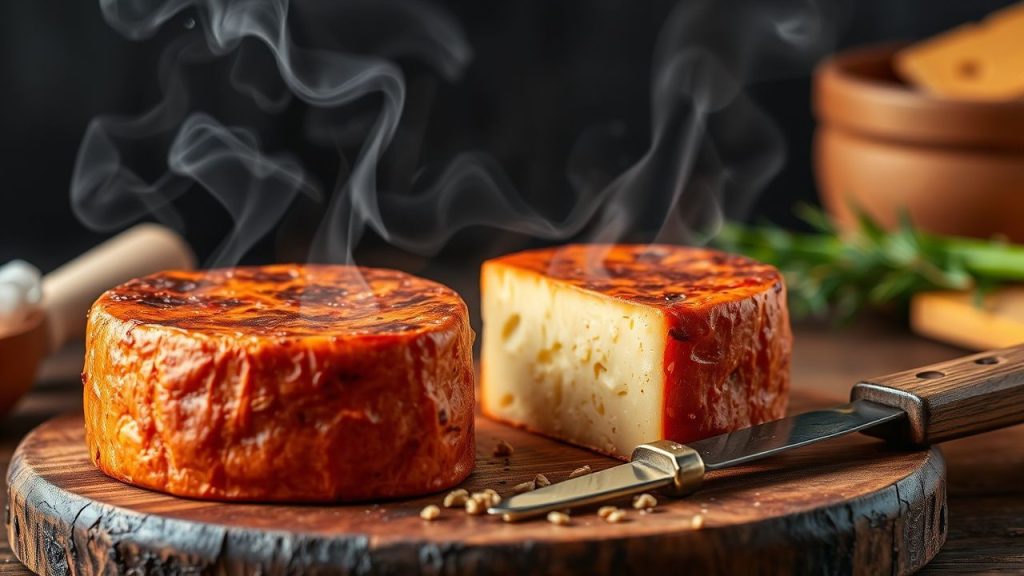
Sources and further reading
For deeper technical reading, consult entries on cheesemaking and smoking methods. These resources explain the science behind structure, aging, and smoke transfer.
Recommended references include the overview of cheesemaking and the smoking methods summary at smoking (cooking). For protein chemistry context, see the protein (nutrient) entry.
FAQ
Q1: Why does smoked cheese become rubbery?
High ambient temperature or excess drying causes casein networks to contract and expel moisture, which creates an elastic texture. Controlling temperature during smoking prevents that rearrangement.
Q2: Which cheeses are safest to smoke?
Semi-hard varieties like Gouda, Cheddar, and Monterey Jack perform reliably because they have balanced moisture and fat levels. Very fresh or very dry cheeses present higher risk of texture change.
Q3: What is the ideal temperature range for cold smoking cheese?
Aim for 75–90°F (24–32°C) ambient air during cold smoking. That range transfers smoke without triggering broad fat separation or protein tightening.
Q4: How long should I rest smoked cheese before serving?
Rest refrigerated for at least 24 hours; 48 hours often produces smoother texture and more integrated smoke flavor. Resting lets volatiles migrate and moisture gradients equilibrate.
Q5: Can I rescue a rubbery batch?
Yes. Rest at room temperature briefly before slicing or use the cheese in melted applications like sauces or grilled sandwiches. Gentle heat breaks elasticity and improves mouthfeel.
See also: Cold Smoking Cheese Guide | Smoked Cheese Recipes
See also: Smoked cheese
- Why smoked cheese becomes rubbery
- Key physical factors: proteins, fat, and moisture
- Temperature: the single most controllable variable
- Prep and timing
- Ingredients and equipment
- Smoking process: step-by-step
- Practical handling tips
- Tips for success: expert advice on texture
- Common mistakes and how to avoid them
- Post-smoking salvage strategies
- Serving suggestions
- Yield and difficulty level
- Sources and further reading
- FAQ