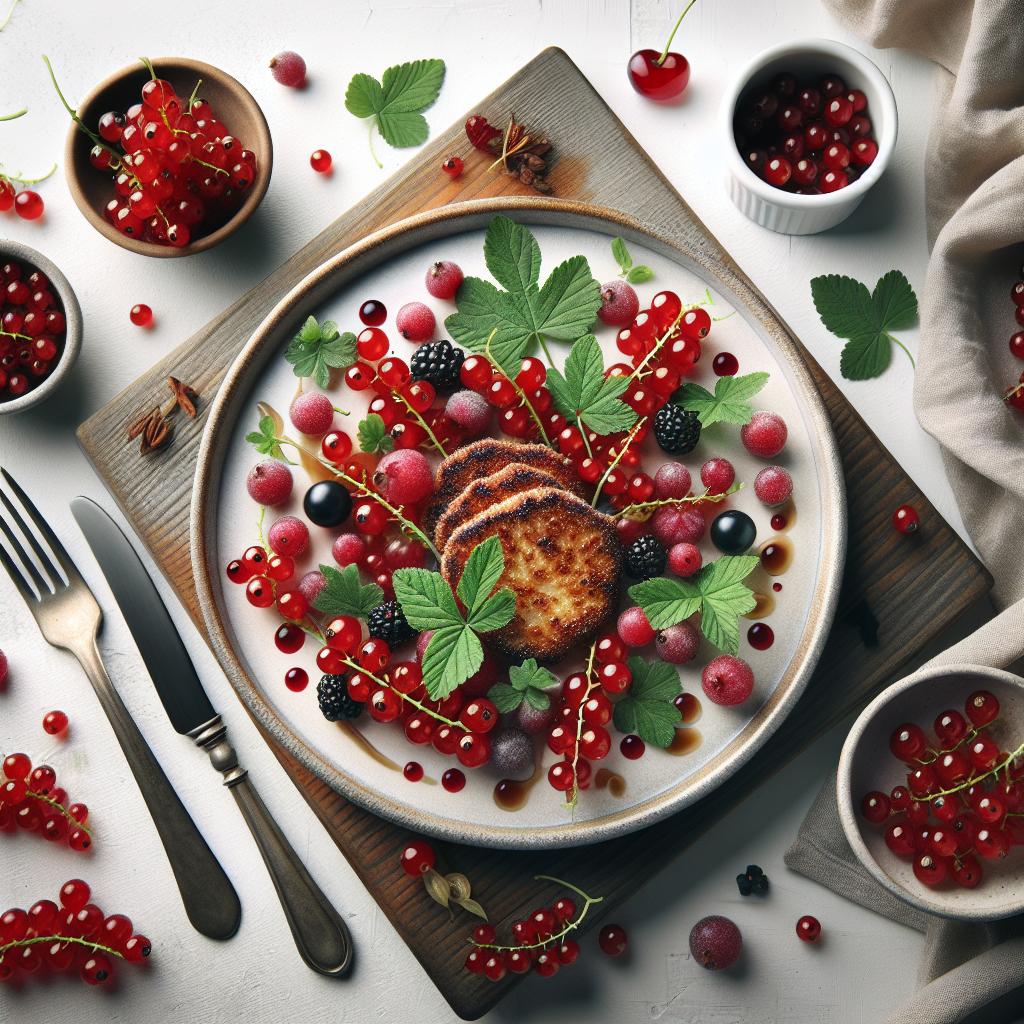

Nestled within the quiet thickets and sun-dappled woodland edges, currants-those vibrant red and glossy black jewels of nature-await the keen eye and curious hand of the forager. Foraging currants is more than just a charming pastime; it’s a gateway to reconnecting with wild flavors and discovering the subtle art of reading the landscape. Whether you’re a seasoned berry hunter or a nature novice, learning to spot and gather these plump little treasures with ease can transform a simple walk into a rewarding adventure. In this article, we’ll guide you through the distinctive traits of red and black currants, share expert tips for identification, and unlock the secrets to harvesting them sustainably-ensuring every berry you find is a delicious win for both you and the wild.
Foraging Currants: Spotting Red & Black Berries with Ease unlocks a delightful journey into nature’s edible treasures. Imagine wandering through sun-dappled woodlands, your eyes catching the vibrant clusters of red currants shimmering like tiny jewels or the deep, glossy pods of black currants nestled amongst fragrant leaves. This skill not only connects you with the wild but enhances your culinary creations with fresh, hand-picked ingredients directly from nature’s bounty.
Prep and Cook Time
- Foraging Time: 30-60 minutes (dependent on location and season)
- Cleaning and Preparing: 15 minutes
- Cooking/Preserving: 10-30 minutes (optional, depending on recipe)
Yield
- Approximately 1 to 2 cups of fresh currants per foraging session
- Yield varies based on berry size and density of bushes
Difficulty Level
Medium-Initial foraging requires a keen eye and some botanical knowledge, but once identified, harvesting is straightforward and rewarding.
Ingredients
- Fresh red currants or black currants – approximately 1 to 2 cups, washed and destemmed
- Water – for rinsing berries
- Optional: Sugar – 1-2 tablespoons (for taste or preservation)
- Optional: Lemon juice – 1 teaspoon (to balance acidity in recipes)
Instructions
- Study the Habitat: Search for currant bushes in cool, shaded, and moist environments such as forest edges, hedgerows, and riverbanks. Look for bright green lobed leaves and hanging berry clusters.
- Identify with Confidence: Red currants typically form translucent bright red clusters, while black currants exhibit dark purple to black berries with a fragrant aroma. Avoid lookalikes by confirming leaf shape and berry cluster arrangement.
- Seasonal Timing: Plan your foraging from late June to mid-August when berries ripen fully. Early-season berries are sour, so patience yields sweeter fruit.
- Picking Method: Gently hold the cluster and snip with scissors or pinch with your fingers to avoid damaging the plant. Harvest only a third of the berries per bush to sustain plant health.
- Safety First: Always wear long sleeves and use protective gear to avoid thorn scratches or insect bites. Carry a field guide or use apps to verify berry species before consumption.
- Cleaning: Rinse berries under cool water in a colander, picking out leaves and debris. Drain thoroughly and lightly pat dry on a clean towel.
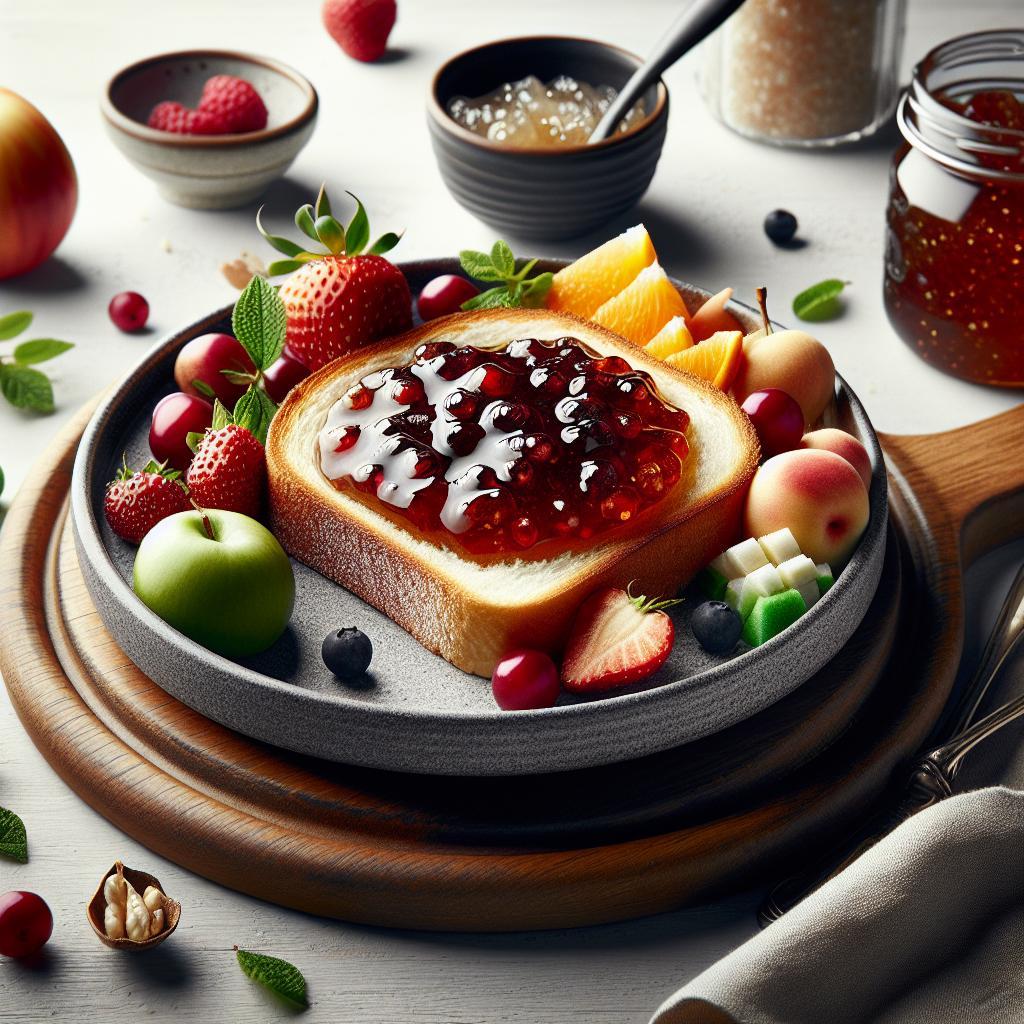
- Cook or Preserve: Use fresh currants in jams, sauces, or desserts. To preserve, gently simmer with sugar and lemon juice until the berries burst and thicken into a natural jam.
Tips for Success
- Bring a basket with plenty of ventilation to keep berries fresh and prevent crushing.
- Learn to differentiate between currants and gooseberries; unlike currants, gooseberries are usually solitary and larger.
- For a sweeter flavor, harvest mornings after dew evaporation when sugar concentration is highest.
- Try blending red and black currants in recipes for a complex tart-sweet balance.
- Preserve excess berries by freezing individually on trays before bagging to avoid clumping.
Serving Suggestions
Freshly picked currants shine when sprinkled over creamy yogurts or oatmeal, adding burst-like tartness. They also elevate sauces for roasted poultry or game, where their acidity complements rich meats beautifully. Garnish with fresh mint or lemon zest to highlight their vibrant color and refreshing tang. For a decadent treat, pair a homemade currant compote with vanilla ice cream or buttery shortbread.

| Nutrient | Amount per 100g |
|---|---|
| Calories | 56 kcal |
| Protein | 1.4 g |
| Carbohydrates | 13.8 g |
| Fat | 0.2 g |
| Vitamin C | 41 mg (68% DV) |
For more insightful foraging tips and recipes, explore our Wild Berry Recipes collection. For a comprehensive botanical guide, visit the Royal Horticultural Society’s currant identification page.
Q&A
Q&A: Foraging Currants – Spotting Red & Black Berries with Ease
Q1: What makes currants a rewarding find for foragers?
A1: Currants are nature’s little bursts of flavor-vibrant, tangy, and packed with nutrients. Whether red or black, these berries are not just delicious but also versatile in jams, pies, and even savory dishes. Foraging them connects you to the wild’s seasonal secrets and offers a fresh-tasting treasure straight from the bushes.
Q2: How can I identify red currants in the wild?
A2: Red currants are like tiny ruby jewels hanging in clusters. Look for translucent, bright red berries that dangle on slender stems. Their leaves are lobed and jagged-similar to a maple leaf but smaller. The bushes themselves are relatively low-growing and often found in woodland edges or hedgerows.
Q3: What are the key features distinguishing black currants from their red cousins?
A3: Black currants wear a darker, almost glossy black coat and are slightly larger than red currants. Their clusters tend to be denser and their leaves broader with a more pronounced scent-often described as musky or earthy. These plants thrive in cooler climates and can be found in shaded forests or damp soils.
Q4: Are there any common look-alikes I should watch out for?
A4: Absolutely! While currants are generally safe, some berries like gooseberries or certain nightshade species might confuse beginners. Gooseberries have spines on their branches and their berries are usually larger and less translucent. Nightshades, on the other hand, can be toxic-so if you’re ever in doubt, it’s best to consult a foraging guide or expert.
Q5: When is the best time to forage currants?
A5: Timing is key! Currants ripen in mid to late summer. The berries should be fully colored, firm but slightly soft to the touch, and easily pluckable. Early or underripe berries can be sour and less flavorful, while overripe ones may attract wildlife first.
Q6: What simple tips can help me forage red and black currants with ease?
A6: First, bring a basket or container that won’t crush the berries. Approach bushes gently to avoid disturbing nests or insects. Use both hands-one to hold the branch, the other to pick clusters efficiently. Remember, sustainable foraging means taking only what you need and leaving enough for wildlife and future seasons.
Q7: How can I enjoy my foraged currants once home?
A7: Fresh currants shine in smoothies, salads, or as a tart companion to cheese. Preserve their magic by making jams, jellies, or syrups. Black currants excel in syrups and liqueurs, while red currants bring a lovely zing to desserts. Plus, freezing them whole keeps their flavor alive for months.
Q8: Any safety advice before diving into wild foraging?
A8: Yes! Always positively identify berries before eating. Avoid areas prone to pollution like roadsides or industrial sites. Wash your harvest thoroughly. And if you’re uncertain, seek guidance from local foraging groups or botanical resources. Foraging is a joyful adventure-done wisely, it’s safe and sustainable.
By learning to spot red and black currants confidently, you unlock the doorway to a wild, juicy world. Happy foraging!
Concluding Remarks
As you venture into the wild with newfound knowledge, the humble currant no longer hides in plain sight. Whether glistening like rubies or cloaked in midnight black, these berries offer a flavorful treasure for the observant forager. Embrace the rhythm of nature’s season, sharpen your eye, and let the dance of red and black currants guide you to delicious discoveries. With patience and respect for the land, you’ll soon find that foraging isn’t just about gathering-it’s about connecting, savoring, and celebrating the wild bounty at your fingertips. Happy foraging!