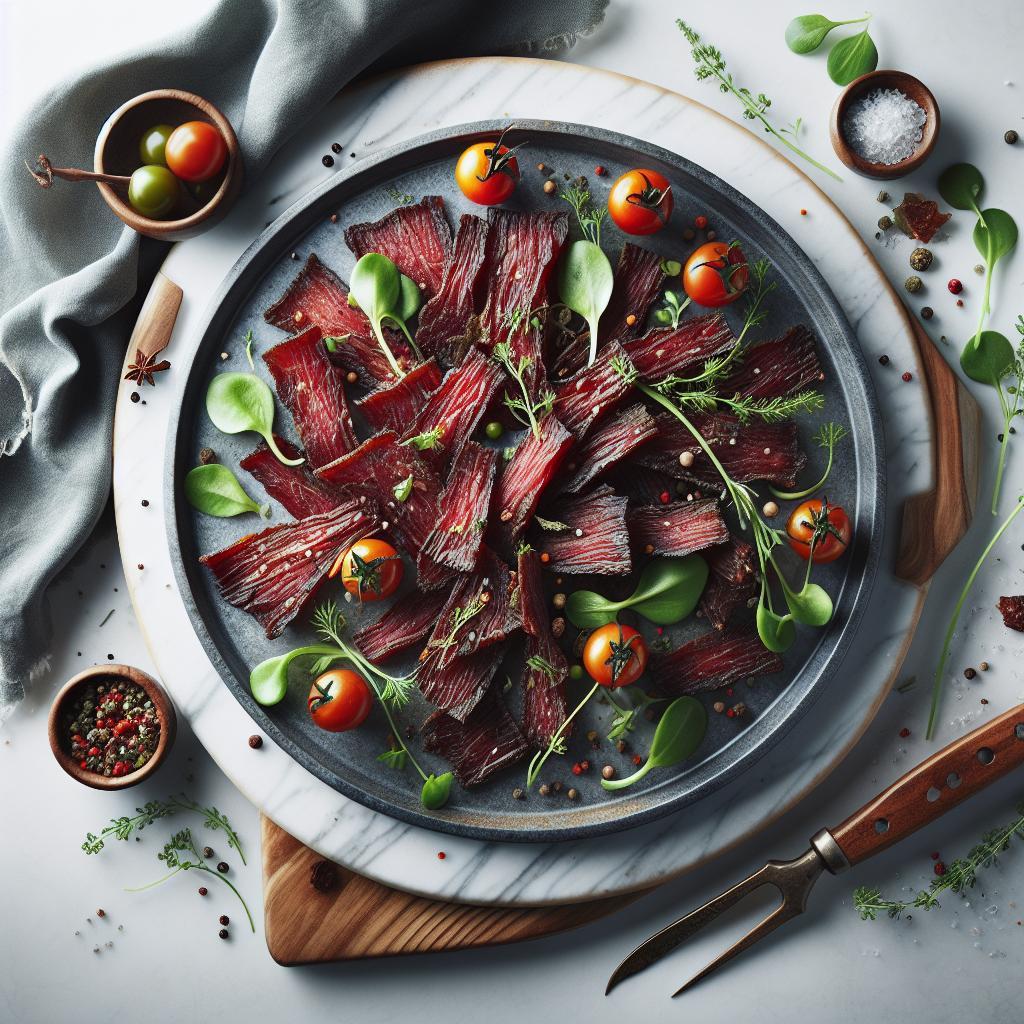

In a world where savory meets sweet at nearly every turn, the art of jerky-making is experiencing a bold, flavorful rebellion-one that strips away sugar without sacrificing taste. Sweet-free jerky challenges the conventional, inviting adventurous palates to explore marinades that rely on depth, spice, and umami instead of sugary indulgence. Whether driven by dietary choices, health goals, or simply a craving for something different, crafting jerky without sugar opens a dynamic playground of bold flavors and natural ingredients. Join us as we delve into the secrets of building irresistible, sugar-free marinades that transform ordinary cuts of meat into extraordinary snacks, proving that sweetness isn’t the only path to mouthwatering perfection.
Sweet-Free Jerky: Crafting Flavorful Marinades Without Sugar offers a fresh and vibrant approach to creating jerky that balances indulgence and health without compromising on depth or complexity. Embracing natural sweetness alternatives such as ripe fruits, apple cider vinegar, or coconut aminos allows the savory and spicy layers to shine brilliantly. This method not only elevates the jerky but preserves the rich, umami essence you crave, transforming each bite into a garden of flavor.
Prep and Cook Time
- Preparation: 25 minutes
- Marinating: 12-24 hours
- Cooking (Dehydrating/Baking): 4-6 hours
Yield
Serves 6-8 as a savory snack.
Difficulty Level
Medium – Ideal for adventurous home cooks looking to master bold flavors without refined sugar.
Ingredients
- 1 lb lean beef (top round or flank steak), thinly sliced against the grain
- 1/4 cup coconut aminos (natural soy sauce alternative)
- 2 tbsp apple cider vinegar, for subtle tang and natural sweetness
- 1 tbsp pureed medjool dates, finely mashed for natural sweetness
- 2 tsp smoked paprika, to intensify smoky depth
- 1 tsp garlic powder
- 1 tsp onion powder
- 1/2 tsp cayenne pepper for heat (adjust to your spice tolerance)
- 1 tsp ground black pepper, freshly cracked
- 1 tbsp nutritional yeast or mushroom powder, for a powerful umami punch
- 1 tbsp toasted sesame oil, for aromatic richness
- 1 tbsp finely minced fresh ginger, optional but recommended
Instructions
- Prepare the meat: Pat the beef slices dry with paper towels to ensure even marination and better texture.
- Mix the marinade: In a medium bowl, whisk together coconut aminos, apple cider vinegar, pureed medjool dates, smoked paprika, garlic powder, onion powder, cayenne pepper, black pepper, nutritional yeast, toasted sesame oil, and fresh ginger until smooth and homogenous.
- Marinate the beef: Place the beef slices in a large resealable bag or shallow dish. Pour the marinade over the meat, ensuring every piece is fully coated. Seal, refrigerate, and marinate for 12 to 24 hours, flipping the bag halfway through to maximize flavor absorption and tenderization.
- Preheat your dehydrator or oven: Set it to 160°F (70°C) for safe drying while preserving tenderness.
- Arrange the beef evenly: On dehydrator trays or wire racks set over parchment-lined baking sheets, lay the marinated beef strips flat without overlapping to allow for maximum air circulation.
- Dehydrate: Dry the jerky for 4-6 hours or until the pieces are dry but still pliable-bend without cracking or breaking, signaling perfect chewiness.
- Store properly: Once cooled, keep your jerky in an airtight container or vacuum-sealed bag for freshness, or refrigerate to extend shelf life.
Tips for Success
- Use thin slices (about 1/8 inch) to ensure even marination and drying, preventing tough chewy spots.
- If you prefer a more pronounced natural sweetness, experiment with pureed ripe mango or pineapple in place of dates.
- Marinating overnight is key for deep flavor initialization; avoid rushing this step to let ingredients fully penetrate the meat.
- Rotate trays during dehydrating or baking for even airflow and consistent drying.
- Incorporate a splash of worcestershire sauce or miso paste for extra umami layering if desired.
- To infuse an extra smoky note, add a drop or two of liquid smoke or double the smoked paprika.
Serving Suggestions
Present your sugar-free jerky beautifully on a rustic wooden board paired with crunchy celery sticks and shaved radishes for a refreshing contrast. Garnish with freshly chopped chives or coriander leaves to brighten the palette. Complement with a side of tangy mustard or a creamy cashew dip for an irresistible snack experience.
| Nutrition | Amount per Serving |
|---|---|
| Calories | 150 |
| Protein | 26 g |
| Carbohydrates | 4 g |
| Fat | 3 g |

Q&A
Q&A: Sweet-Free Jerky – Crafting Flavorful Marinades Without Sugar
Q1: Why choose sweet-free jerky marinades when sugar is a classic ingredient?
A1: While sugar adds a familiar sweetness and helps with caramelization, opting for sweet-free marinades opens up a world of bold, savory, and umami-rich flavors. It also caters to those who reduce sugar intake for health reasons or dietary preferences, ensuring everyone can enjoy delicious jerky without the spike in sweetness.
Q2: How do you create depth of flavor in a jerky marinade without using sugar?
A2: The secret lies in layering umami boosters like soy sauce, tamari, miso paste, or even mushroom powder. Aromatics such as garlic, ginger, smoked paprika, and chili bring complexity. Acidity from vinegar or citrus balances richness, while a touch of salt enhances natural meat flavors. Together, these elements create a symphony of taste without a single granule of sugar.
Q3: Does omitting sugar affect the texture or drying process of jerky?
A3: Sugar usually helps lock in moisture and can contribute to a slightly sticky texture. Without it, the jerky can become leaner and drier if not carefully monitored. To counterbalance this, marinate with ingredients that add moisture and flavor-like a splash of Worcestershire sauce or olive oil-and watch your drying time closely to achieve that perfect chewy bite.
Q4: Can sweet-free jerky still appeal to those used to the traditional sweet-savory profile?
A4: Absolutely! Sweet-free doesn’t mean flavor-free. By emphasizing savory, smoky, spicy, and tangy notes, you can craft marinades that are intriguingly complex and satisfying. Many fans find that without sugar’s dominance, the natural taste of the meat shines brighter, offering a refreshing and sophisticated alternative to conventional jerky.
Q5: What are some creative ingredient swaps to replace sugar in jerky marinades?
A5: Instead of sugar, consider natural flavor enhancers like concentrated tomato paste, balsamic vinegar, tamarind, or even a splash of coffee or brewed tea. These ingredients introduce a subtle sweetness or bitterness that mimics sugar’s balancing act but with a richer, more nuanced profile, perfect for adventurous jerky enthusiasts.
Q6: Is sweet-free jerky healthier than traditional versions?
A6: In many cases, yes. Reducing sugar content lowers calories and eliminates blood sugar spikes, making sweet-free jerky a better option for people managing diabetes, following low-carb diets, or simply seeking cleaner snacking. However, it’s always important to consider overall ingredient quality and sodium content when choosing or making jerky.
Q7: How can beginners get started with making their own sweet-free jerky marinades at home?
A7: Start simple: mix soy sauce or tamari with garlic powder, black pepper, smoked paprika, and a splash of apple cider vinegar. Let thinly sliced meat soak for several hours or overnight, then dry using a dehydrator or low oven temperature. Experiment in small batches, adjusting spices and acidity until you find your perfect no-sugar flavor harmony.
The art of crafting sweet-free jerky marinades teaches us that sugar is just one note in the vast flavor orchestra. By embracing whole, bold ingredients, jerky transforms into a savory masterpiece that satisfies without sweetness.
Concluding Remarks
As we’ve explored, crafting sweet-free jerky marinades is not just a culinary challenge-it’s a flavorful adventure that invites creativity and conscious choices. By embracing herbs, spices, tangy acids, and smoky undertones, you can unlock a world of bold, balanced tastes without relying on sugar’s familiar sweetness. Whether you’re seeking a healthier snack, managing dietary needs, or simply craving something different, these sugar-free approaches prove that jerky can be every bit as rich and satisfying. So next time you fire up your dehydrator or smoker, remember: flavor isn’t about what you cut out, but what you daringly put in. Sweet-free jerky isn’t just possible-it’s a delicious revolution waiting to happen.