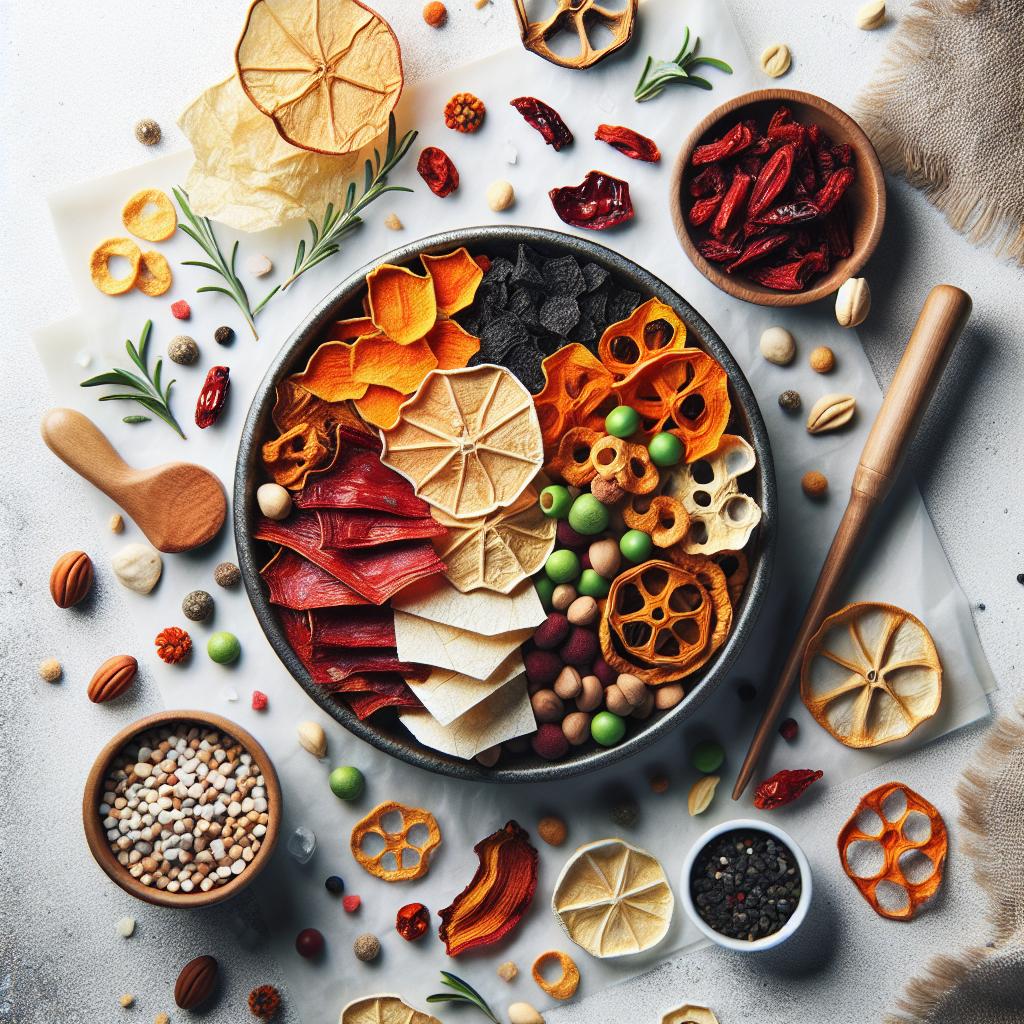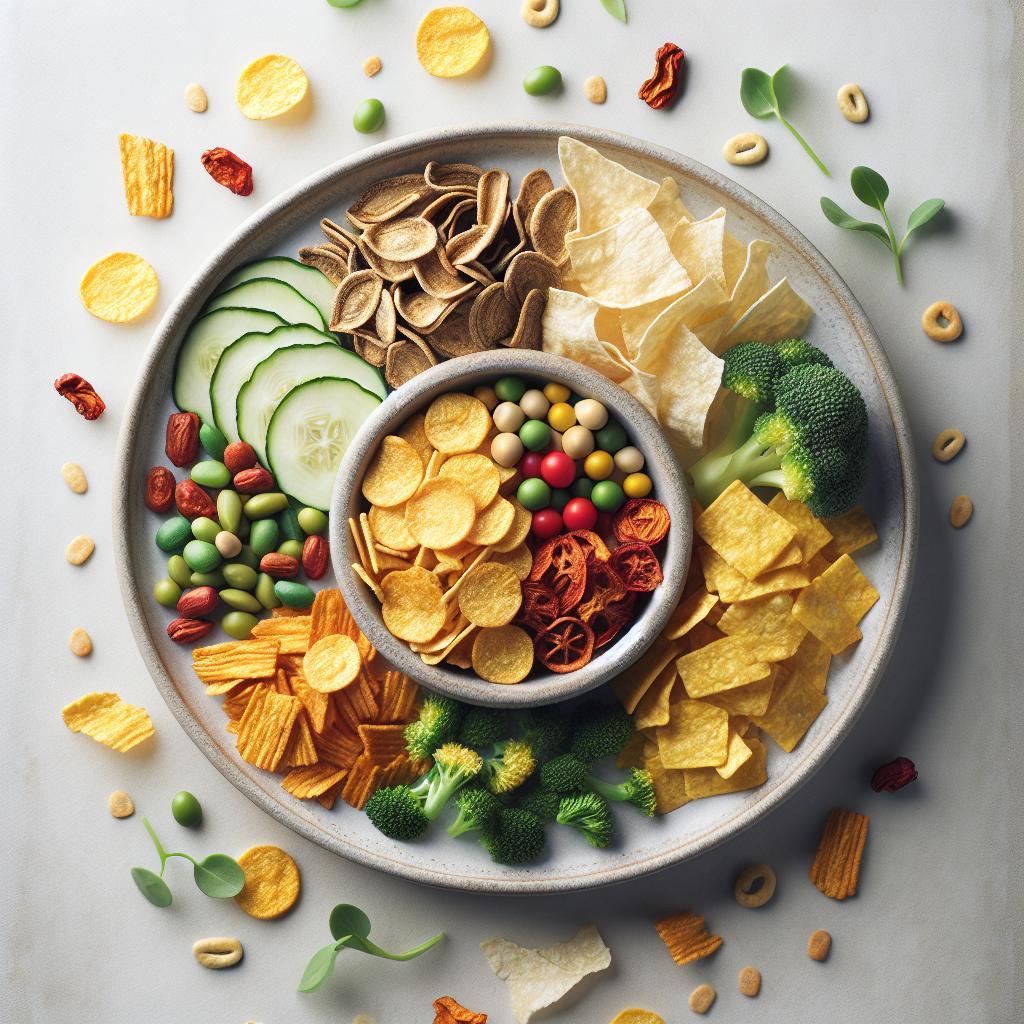

In a world where convenience meets crunch, dehydrated snacks have become the ultimate companion for busy days and adventurous journeys. Their vibrant flavors and satisfying textures make them a beloved choice for those seeking nutritious, on-the-go bites. But as anyone who’s popped open a once-crisp bag only to find soggy disappointment will tell you, keeping that perfect crunch isn’t always easy. Mastering the art of storing dehydrated snacks is the secret to preserving their irresistible snap and taste. Join us as we explore smart storage hacks and expert tips that will help you keep every bite as fresh and crunchy as the moment it was dried-because your snacks deserve to stay as lively as your lifestyle.
Unlocking Snack Freshness: The Science of Preserving Dehydrated Crunch
Keep Crunch Fresh: Master Storing Dehydrated Snacks Right starts with understanding the delicate balance between moisture, air, and light that governs snack longevity. Dehydrated foods retain crispness and flavor only when their environment prevents rehydration and oxidation. Simply put, controlling humidity and exposure to oxygen is key. The lower the moisture content and oxygen exposure, the longer your snacks stay irresistibly crunchy and flavorful.
Prep and Cook Time
- Preparation: 15 minutes
- Drying/Dehydrating: Varies by snack (4-12 hours)
- Packaging & Storage Setup: 10 minutes
Yield
- Yields approximately 4 cups of dehydrated snacks, depending on ingredient moisture content
Difficulty Level
- Easy to Medium – Requires attention to drying and storage conditions
Ingredients
- Fresh fruits: 3 cups thinly sliced apples or mangoes
- Vegetables: 2 cups thinly sliced kale or sweet potatoes
- Sea salt: 1 teaspoon, optional for flavor enhancement
- Herbs or spices: ½ teaspoon (such as smoked paprika or cinnamon) for seasoning
- Airtight containers: glass jars with sealing lids or BPA-free vacuum-seal bags
- Oxygen absorbers: optional, for extended shelf life
Instructions
- Prepare the produce: Wash, peel (if necessary), and thinly slice your chosen fruits or vegetables evenly for uniform drying.
- Season lightly: Sprinkle sea salt or your chosen spices over the slices if desired; this adds subtle depth to your snacks.
- Arrange on drying trays: Place slices in a single layer without overlapping to ensure even dehydration.
- Dehydrate: Use a food dehydrator set to 135°F (57°C) for fruits and 125°F (52°C) for vegetables. Dry for 6-12 hours or until completely crisp and brittle. Occasionally rotate trays if your machine requires it.
- Cool completely: Allow dehydrated snacks to cool at room temperature before packaging to prevent condensation inside containers.
- Select storage containers: Opt for airtight glass jars with rubber gaskets or BPA-free vacuum-seal bags to minimize oxygen intrusion. Add oxygen absorbers if storing long-term.
- Store in optimal conditions: Place containers in a cool, dark, and dry environment, ideally below 70°F (21°C) and humidity levels under 15%.
- Control daily portions: Divide snacks into smaller servings in resealable bags or jars to reduce repeated exposure and maintain crispness.
Chef’s Tips for Success
- Consistency is crucial: Slice produce uniformly to ensure every piece dries evenly and crispness is achieved throughout.
- Monitor moisture: Snacks that are slightly pliable may still harbor moisture, risking mold. Test crispness by snapping a piece-if it bends, dehydrate longer.
- Reuse containers: Clean and dry containers thoroughly before refilling to avoid contamination.
- Batch storage: Store snacks in small, daily portion sizes to limit exposure and retain crunch for longer.
- Avoid plastic bags without seals: Regular zipper bags trap moisture easily and shorten shelf life.
Serving Suggestions
Enjoy your dehydrated snacks as a standalone crunch or pair them with softer textures for contrast. Try dipping crispy kale chips into a tangy Greek yogurt dip or layering thin apple crisps atop creamy peanut butter toast for a delightful crunch burst. Garnish with fresh herbs like rosemary or sprinkle lightly smoked paprika on sweet potato chips to elevate the flavor profile. These versatile snacks brighten lunch boxes, hiking trails, or cozy snacking at home.
| Nutrition (per 1 cup) | Calories | Protein | Carbs | Fat |
|---|---|---|---|---|
| Apple Chips | 120 kcal | 0.5 g | 31 g | 0.3 g |
| Kale Chips | 85 kcal | 5 g | 7 g | 3.5 g |
| Sweet Potato Chips | 150 kcal | 2 g | 35 g | 0.1 g |
Explore more expert tips on dehydrating snacks to elevate your culinary preservation skills.
For comprehensive scientific insights on food preservation, visit the USDA Food Safety and Inspection Service.

Q&A
Q&A: Keep Crunch Fresh: Master Storing Dehydrated Snacks Right
Q1: Why is proper storage crucial for dehydrated snacks?
A1: Dehydrated snacks lose their moisture to stay crisp and long-lasting, but they’re like little sponges waiting to absorb humidity. Without the right storage, they can turn chewy, stale, or even grow mold, ruining that satisfying crunch you love.
Q2: What’s the best container for keeping dehydrated snacks fresh?
A2: Airtight containers are your snack’s best friend. Think glass jars with a tight lid, vacuum-sealed bags, or sturdy resealable plastic pouches. These keep out oxygen and humidity, locking in crunch and flavor like a vault.
Q3: Can I store dehydrated snacks in the fridge or freezer?
A3: Absolutely! Refrigerators and freezers can extend shelf life by slowing down any residual moisture activity and staving off spoilage. Just make sure your snacks are in airtight bags to prevent them from absorbing fridge odors or moisture.
Q4: How important is temperature and humidity control?
A4: Very! Cool, dry places are ideal-high temperatures can degrade flavor and texture, and moisture is the enemy. A pantry away from heat sources or direct sunlight usually does the trick.
Q5: Are there natural ways to keep snacks dry inside containers?
A5: Yes! Adding a small food-safe silica gel packet or a bit of dry rice wrapped in cheesecloth can absorb unwanted moisture inside your storage container, keeping your snack crisp and delightful.
Q6: How long can I expect my dehydrated snacks to stay fresh?
A6: Properly stored, many dehydrated snacks can last from several months up to a year. But always trust your senses: if it’s lost crunch, smell, or tastes off, it’s time to refresh your stash.
Q7: Any tips for keeping mixed dehydrated snack packs fresh?
A7: Keep wetter or oily items separate from the drier ones to prevent moisture transfer. Divide your snacks into smaller airtight portions so you only expose what you eat, leaving the rest untouched and fresh.
Q8: Does packaging affect snack quality over time?
A8: Definitely. Packaging that blocks light, oxygen, and moisture is key. Mylar bags with oxygen absorbers or vacuum sealing can dramatically increase shelf life and maintain snack quality.
Mastering the art of storing dehydrated snacks isn’t just about preservation – it’s about savoring that perfect crunch every time. With the right methods, your snacks stay crisp, tasty, and ready for anytime munching adventures!
In Summary
As you embark on your crunchy adventures, remember that the secret to savoring every crisp bite lies not just in how you make your dehydrated snacks, but in how you guard their freshness. By mastering smart storage-from airtight containers to cool, dark havens-you ensure each munch remains as vibrant and satisfying as the moment it was first dried. So go ahead, keep that crunch alive, and let your favorite snacks become timeless treasures that delight your taste buds whenever the craving strikes. After all, great snacks deserve an equally great home.