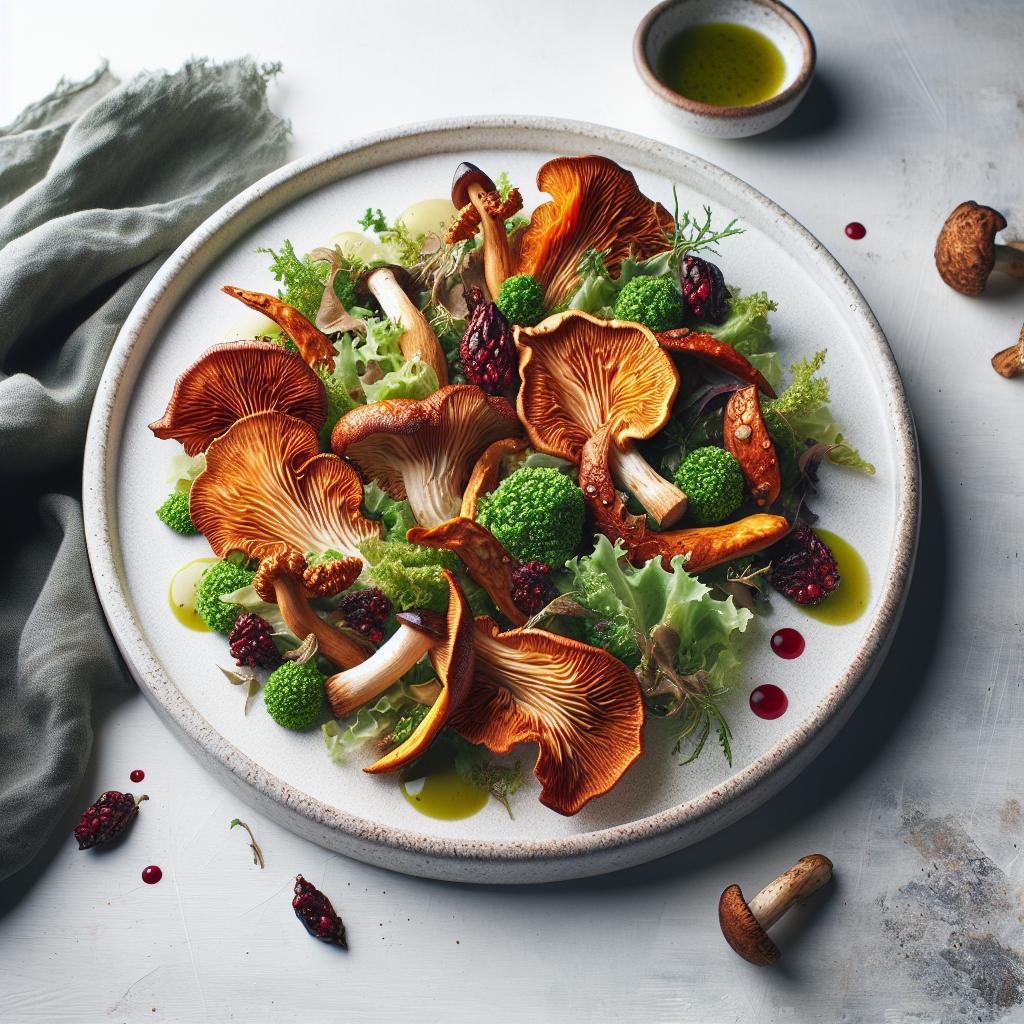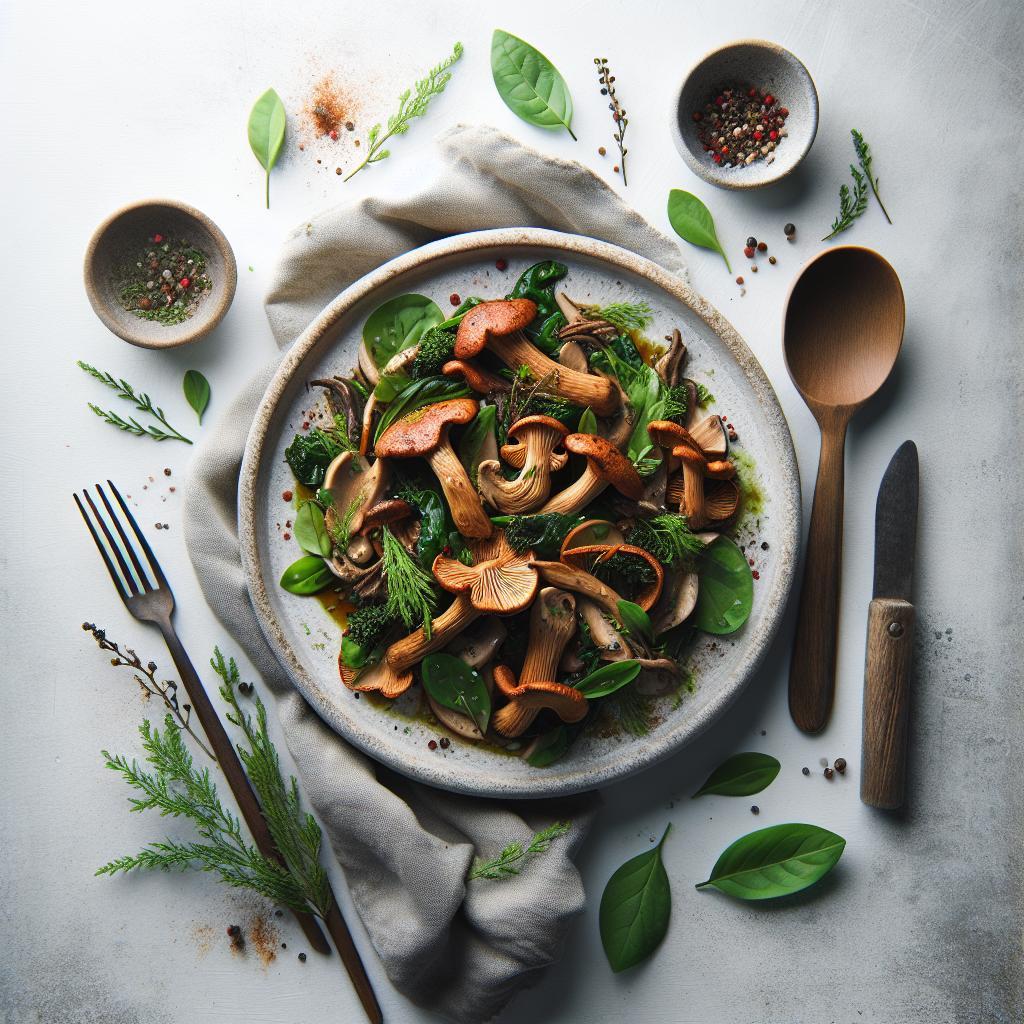

In the quiet embrace of autumn’s fading light, beneath the sheltering canopy of ancient oaks, a hidden treasure thrives-Hen of the Woods, nature’s savory secret. Foragers, both novice and seasoned, are drawn to this magnificent mushroom not just for its robust flavor but for the thrill of discovery itself. “The Art of Foraging Hen of the Woods: A Beginner’s Guide” invites you to step gently into the world of wild mushrooms, where patience meets knowledge and every shaded grove holds the promise of a culinary adventure. Whether you’re seeking to elevate your cooking or deepen your connection to the forest, this guide will illuminate the path to safely and sustainably harvesting one of the most prized fungi in the woodland kingdom. Welcome to the delicate dance of foraging-where nature’s bounty is yours to find.
The Art of Foraging Hen of the Woods: A Beginner’s Guide
The art of foraging hen of the woods mushrooms unlocks a world of flavors and textures that elevate home cooking to gourmet heights. Known also as maitake, this uniquely clustered fungus thrives at the base of oak trees, showcasing layers of delicate, ruffled caps reminiscent of a hen’s feathers. Beyond its captivating appearance, hen of the woods offers a meaty texture and deep, earthy aroma that transforms dishes with subtle complexity. Foraging these mushrooms requires knowledge, respect for the environment, and an eager eye to spot their distinctive growth habits. This guide will walk you through understanding, identifying, harvesting, and preparing hen of the woods so that every meal becomes a celebration of wild, natural bounty.
Prep and Cook Time
- Preparation: 15 minutes
- Cooking: 25 minutes
Yield
Serves 4 as a main dish or accompaniment
Difficulty Level
Medium – Ideal for adventurous cooks who enjoy hands-on preparation and flavor exploration
Ingredients
- 1 pound hen of the woods mushroom, cleaned and separated into florets
- 3 tablespoons olive oil
- 4 cloves garlic, minced
- 1 shallot, finely chopped
- 1 tablespoon fresh thyme leaves
- ½ cup dry white wine or vegetable broth
- Salt and freshly ground black pepper, to taste
- 2 tablespoons unsalted butter
- Fresh parsley for garnish
- Crusty artisan bread, for serving (optional)
Instructions
- Prepare the mushroom: Gently brush dirt off the hen of the woods mushroom, avoiding water as much as possible to maintain its texture. Separate into bite-sized florets for even cooking.
- Heat oil in a skillet: Use a wide sauté pan over medium heat. Once shimmering, add the olive oil to coat the bottom evenly.
- Sauté aromatics: Add minced garlic and shallot, cooking until fragrant and translucent, about 2 minutes. Stir carefully to prevent burning.
- Add the mushroom florets: Toss them into the pan, spreading in a single layer as much as possible. Cook without stirring for 3-4 minutes to allow browning, then gently flip the florets to brown the other side.
- Season and deglaze: Sprinkle fresh thyme, salt, and pepper. Add white wine or broth to deglaze the pan, scraping up flavorful bits stuck to the bottom.
- Simmer and soften: Reduce the heat to low and cover the pan. Cook for an additional 10 minutes, allowing the mushroom to tenderize and absorb the flavors.
- Finish with butter: Remove the lid and gently fold in unsalted butter. Stir just until melted to enrich the dish with creamy notes.
- Check seasoning: Taste and adjust salt and pepper. Garnish with freshly chopped parsley before serving.
Chef’s Notes
- Substitutions: Use shallot substitutes like finely chopped red onion if unavailable.
- Flavor variations: Try adding chili flakes for heat or a splash of soy sauce for umami depth.
- Cleaning tip: Hen of the woods mushrooms can be porous; always dry brush to avoid sogginess.
- Storage: Best enjoyed fresh, but leftover cooked mushrooms refrigerate well for up to 3 days in an airtight container.
- Make-ahead: Prepare the sautéed mushrooms in advance and reheat gently, adding a splash of broth to revive moisture.
Serving Suggestions
Serve your sautéed hen of the woods mushrooms atop toasted artisan bread for a rustic appetizer or mix them into creamy polenta or risotto to intensify earthiness. Their natural umami makes an exquisite partner with roasted root vegetables or grilled meats. Garnish with fresh parsley or thyme sprigs for a bright contrast in both appearance and flavor.

| Nutrient | Per Serving |
|---|---|
| Calories | 120 kcal |
| Protein | 5 g |
| Carbohydrates | 8 g |
| Fat | 9 g |
For further culinary inspiration and more mushroom recipes, visit our Wild Mushroom Recipe Collection. To deepen your knowledge about hen of the woods and other wild mushrooms, consult the authoritative guide by the U.S. Forest Service.
Q&A
Q&A: The Art of Foraging Hen of the Woods: A Beginner’s Guide
Q1: What exactly is Hen of the Woods, and why is it worth foraging?
A1: Hen of the Woods, also known as Maitake, is a magnificent mushroom that looks like a feathery, ruffled cluster-a true forest treasure. Beyond its whimsical appearance, it boasts a rich, earthy flavor perfect for culinary adventures and is celebrated for its potential health benefits, making it a prized find for both chefs and health enthusiasts.
Q2: Where and when can beginners find Hen of the Woods in the wild?
A2: These mushrooms favor the base of mature hardwood trees, especially oaks, popping up mostly from late summer into early fall. Beginner foragers should look for large, multi-lobed clusters hugging tree trunks in shaded, moist woodland areas-think of it as nature’s own treasure chest waiting to be discovered.
Q3: How can you distinguish Hen of the Woods from other mushrooms to avoid risky mistakes?
A3: With its frilly, fan-like layers of grayish-brown caps stacked in a rosette, Hen of the Woods stands apart from many other fungi. Unlike toxic look-alikes, it has a firm but not slimy texture and lacks the classic mushroom stem. However, caution and a trusty field guide are essential-when in doubt, never harvest.
Q4: What’s the best way to harvest Hen of the Woods without damaging the ecosystem?
A4: Approach your mushroom patch with respect and gentle hands. Use a sharp knife to cut the cluster at its base, leaving some portions behind to ensure future growth. Avoid uprooting the entire mycelium underground, so this natural bounty can continue thriving season after season.
Q5: Once foraged, how should Hen of the Woods be prepared for cooking?
A5: After a gentle brush or wipe to clean off dirt and debris (skip the soak to keep it from getting soggy), break or cut the clusters into bite-sized pieces. Sautéing with garlic and butter, adding to soups or risottos, or roasting with herbs unlocks its hearty, nutty flavor-a perfect meal starter or standout side dish.
Q6: Are there any safety tips or health considerations for first-time Hen of the Woods eaters?
A6: As with all wild mushrooms, start with a small amount to ensure no allergic reactions or digestive sensitivities. Proper identification is vital-never eat any mushroom unless you’re 100% confident it’s safe. And remember, wild foraging is a journey of respect for both nature and your body.
Q7: How does foraging Hen of the Woods connect us with nature on a deeper level?
A7: Foraging is more than gathering food-it’s an invitation to slow down, tune into the rhythms of the forest, and appreciate the hidden gifts that grow quietly beneath the canopy. Each harvest celebrates patience, knowledge, and the magic of wild abundance, turning a walk in the woods into a soulful adventure.
This Q&A invites beginners into the enchanting world of Hen of the Woods foraging, blending practical advice with an appreciation for nature’s artistry. Happy hunting!
Concluding Remarks
As you step back from the woodland floor, basket brimming with the feathered clusters of Hen of the Woods, you’ve not only gathered a feast for your table but also unlocked a secret chapter of nature’s pantry. Foraging is more than a means to an edible end-it’s an art of observation, patience, and respect. With this beginner’s guide in hand, each outing promises a blend of adventure and discovery, where rustling leaves and dappled sunlight herald the thrill of finding your own fungal treasure. So slip into your boots, tune your senses, and let the forest become your classroom, where every mushroom tells a story waiting to be savored.