
In an age where farm-to-table has blossomed into a celebrated lifestyle, the journey from grain to flour is undergoing a heartfelt revival. Imagine the warm, earthy aroma of freshly milled flour filling your kitchen-a fragrant reminder that the best ingredients often begin just beyond your doorstep. Harvesting homegrown grains is more than a nostalgic nod to the past; it’s a sustainable, enriching way to connect with the land, nourish your body, and elevate your baking. Whether you’re a seasoned gardener or a curious newcomer, this guide will lead you through the art and science of sourcing local grains and transforming them into flour that tells the story of your own backyard. Welcome to the world where patience, passion, and soil meet to create something truly delicious.
Harvesting Homegrown Grains: Your Guide to Local Flour Sources
Harvesting homegrown grains is a deeply rewarding journey that connects you to the land and heritage of traditional baking while ensuring the freshest flour for your kitchen. Whether you live in a temperate region ideal for wheat or a warmer climate perfect for millet or sorghum, choosing the right grain and nurturing it carefully transforms your harvest into wholesome, aromatic flour – a vital foundation for truly artisanal cooking. This guide walks you through proven techniques and tips that bring this ancient craft into your modern home garden.
Prep and Cook Time
- Preparation: 30 minutes (planning and soil prep)
- Planting & Growing: 90-120 days, depending on grain variety
- Harvesting & Drying: 2-5 days (active time)
- Grinding to Flour: 1 hour (including cleaning and milling)
Yield
Approximate yield: 1 pound of grain seeds yields 1 cup of fresh, whole-grain flour.
Difficulty Level
Medium: Requires patience, attention to soil and climate conditions, and basic equipment for milling.
Ingredients
- 2 pounds of selected grain seeds (e.g., hard red wheat, barley, rye, or gluten-free grains like millet or sorghum)
- Organic compost or well-rotted manure (for soil enrichment)
- Water (consistent irrigation as per crop needs)
- Optional: Natural pest deterrents like neem oil or companion plants (e.g., marigolds)
Instructions
- Choose Grain Variety to Suit Your Climate and Soil: Research your zone’s frost dates and soil type. Hardy grains like rye thrive in cooler, clay soils, while millet favors well-drained, sandy soils in warmer climates. Acquire certified seeds that match these conditions for best results.
- Prepare Your Soil: Till your garden bed deeply to aerate. Mix in 3-4 inches of organic compost and water thoroughly to create a nutrient-rich, well-draining environment.
- Sow Grains: Scatter seeds evenly across prepared rows or beds. Aim for 1-2 inches between individual seeds, covering lightly with 1 inch of soil. Water gently to avoid displacing the grains.
- Care and Maintenance: Keep soil moist but not waterlogged throughout the growing period. Apply natural pest repellents weekly and thin seedlings if overcrowding occurs, keeping only strong plants.
- Harvest Time: Monitor your crop as grain heads turn golden and stalks dry. Use garden shears to cut stalks at the base early in the morning when moisture is lowest.
- Dry Your Grains: Bundle stalks and hang them upside down in a warm, dry, shaded area with good airflow for 3-5 days. This prevents mold and prepares the grains for threshing.
- Thresh and Clean: Rub grain heads between your hands or use a simple flail to separate kernels from the chaff. Winnow by tossing the grains lightly in the air or using a fan to remove lighter debris.
- Mill Your Grains: Use a home grain mill or a high-powered blender with grinding capabilities. Mill in small batches to ensure even, fine flour. Store freshly milled flour in an airtight container to preserve nutrients and flavor.
Tips for Success
- Test your soil pH before planting; most grains prefer a pH between 6.0 and 7.5 for optimal nutrient uptake.
- Rotate your grain patch yearly to prevent soil depletion and reduce disease risk.
- Harvest early if there’s a risk of rain-wet grains can encourage mold during drying.
- Consider blending several grain types before milling to create unique flours suited to breads, pastries, or pancakes.
- Store harvested grains in a cool, dry place before milling to maintain freshness and prevent insect infestation.
Serving Suggestions
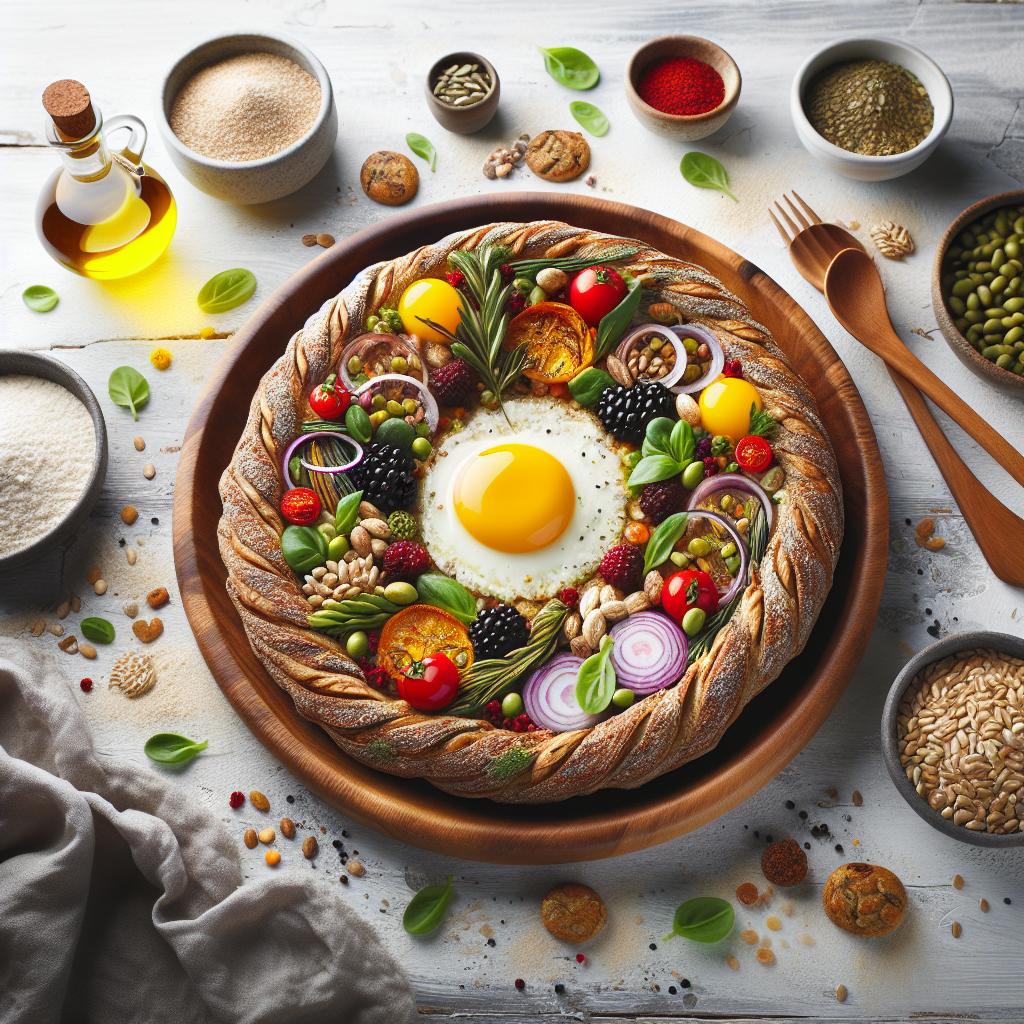
Incorporate your fresh, homemade flour into rustic breads, fluffy pancakes, or tender cookies, savoring the unique nutty aroma and wholesome flavor only truly fresh grain can provide. Garnish baked goods with seeds such as flax, sunflower, or pumpkin to amplify texture and enhance visual appeal. Use a sprinkle of freshly milled flour dusting atop pastries before baking for an artisanal touch.
| Nutritional Component | Per 100g of Flour |
|---|---|
| Calories | 360 kcal |
| Protein | 12 g |
| Carbohydrates | 75 g |
| Fat | 2.5 g |

For further insights on sustainable grain growing and home milling, explore our Organic Gardening for Grain Crops guide. Learn more about the science and health benefits of whole grains at Whole Grains Council.
Q&A
Q&A: Harvesting Homegrown Grains – Your Guide to Local Flour Sources
Q1: Why should I consider harvesting my own grains instead of buying flour from the store?
A: Growing and harvesting your own grains reconnects you with the roots of your food. It’s not just about fresh flour; it’s about nurturing the soil, controlling the quality, and savoring the unmatched flavor of truly local, homegrown grains. Plus, it’s a rewarding blend of gardening, history, and sustainability rolled into one.
Q2: What kinds of grains are best suited for a home garden?
A: Start with user-friendly grains like wheat, rye, or barley – these hardy staples adapt well to various climates and soils. Oats and millet can also be great options for smaller spaces. Choose varieties that thrive in your local environment for the best harvest.
Q3: How much space do I need to grow enough grain for flour?
A: If you’re aiming to supplement your flour rather than replace store-bought entirely, even a few hundred square feet can yield a surprising amount. For example, a 10×10-foot plot can produce several pounds of wheat, enough for small-batch baking and experimentation.
Q4: When’s the best time to plant grains at home?
A: Timing depends on the grain and your climate. Winter wheat, for instance, is planted in the fall and harvested in late spring or early summer. Spring wheat is planted in early spring. Check local agricultural extensions or seed suppliers for planting guides tailored to your region.
Q5: How do I harvest and prepare grains to grind into flour?
A: Harvesting usually involves cutting the grain stalks once the kernels turn golden and hard. After cutting, bundle and dry them completely to prevent mold. Then thresh by separating kernels from stalks-a process you can do by hand or with simple tools. Finally, winnow to remove chaff. Once cleaned, these kernels can be ground fresh for flour.
Q6: What tools do I need for grinding grains at home?
A: A quality grain mill is your best bet-manual mills are affordable and great for small batches, while electric mills save time and effort for larger quantities. Some vintage hand-crank mills are both functional and charming additions to your kitchen.
Q7: How does freshly milled homegrown flour differ from store-bought flour?
A: Homegrown flour spells freshness and flavor. It retains more of the grain’s natural oils and nutrients, offering a richer taste and nutritional profile. The texture can be coarser or varied depending on your grinding method, which imparts unique qualities to your baked goods.
Q8: Are there challenges I should anticipate when growing and harvesting grains?
A: Certainly! Grains need proper care-from pest management to moisture control. Weather unpredictability can affect yields, and threshing can be labor-intensive. But with patience and practice, these challenges become part of the adventure in crafting truly artisanal flour.
Q9: Can I experiment with heirloom or ancient grains at home?
A: Absolutely! Growing heritage varieties like spelt, einkorn, or emmer adds diversity to your harvest and baking. These grains often bring unique flavors and historical significance, connecting you to agricultural traditions centuries old.
Q10: Where can I find seeds and resources to get started?
A: Look to local seed banks, farmers’ markets, or online suppliers specializing in organic and heirloom seeds. Extension services, community gardens, and online forums also offer invaluable advice and connections for novice grain growers.
Embarking on a homegrown grain journey isn’t just about baking bread-it’s an immersive celebration of food, earth, and time. With patience and curiosity, your backyard can become a mini grain mill, turning humble seeds into the flour that forms the heart of your homemade delights. Happy harvesting!
To Wrap It Up
Harvesting your own grains and exploring local flour sources is more than a return to tradition-it’s a celebration of self-sufficiency, flavor, and connection to the land. As you embark on this grain-growing journey, remember that every kernel you nurture carries the story of your soil and seasons. From planting to milling, homegrown grains invite you to create breads, pastries, and meals that are genuinely your own. So roll up your sleeves, cherish the grains of your labor, and savor the wholesome essence only local flour can bring. Your kitchen table awaits the warmth of harvest-baked fresh from homegrown bounty.