
There’s something irresistibly luxurious about the first bite of a scone generously smeared with clotted cream-a rich, velvety indulgence that transforms a simple tea time into a decadent ritual. While clotted cream might seem like a rare delicacy reserved for quaint English tearooms, crafting it at home is surprisingly simple and deeply rewarding. In this article, we’ll unravel the creamy mystery behind clotted cream, guide you through the art of making it from scratch, and show you how to elevate your scone experience with this luscious, golden treasure. Prepare to turn your kitchen into a haven of creamy indulgence that promises both tradition and taste in every dollop.
Creamy Indulgence: Crafting Homemade Clotted Cream for Scones
Creamy indulgence is what every scone lover dreams of, and nothing enhances that experience quite like homemade clotted cream. This traditional British delight, with its velvety texture and rich, buttery flavor, transforms a simple scone into an unforgettable treat. Originating from the sunny southwest of England, particularly Devon and Cornwall, clotted cream has a storied history and a timeless appeal, making it a must-make at home. With just a few simple ingredients and patience, you’ll unlock the secrets to perfect texture and sublime richness – the hallmark of true clotted cream.
Prep and Cook Time
- Prep Time: 5 minutes
- Cook Time: 12 hours (slow baking)
- Cooling Time: 8-12 hours (resting in fridge)
Yield
Approximately 1 cup (serves 4-6 generously)
Difficulty Level
Easy: Minimal hands-on time, ideal for beginners ready to impress
Ingredients
- 2 cups full-fat heavy cream (not ultra-pasteurized; opt for organic or grass-fed for ultimate richness)
Creamy Indulgence: Step by Step Guide to Crafting Silky Smooth Clotted Cream at Home
- Choose the right cream: Select a high-quality, full-fat heavy cream (ideally non-ultra-pasteurized) to ensure a rich flavor and optimal clotting. Avoid low-fat or whipping cream varieties.
- Preheat your oven: Set your oven to 180°F (82°C). The low and slow heat is key to coaxing the cream into its luscious, clotted form.
- Pour the cream into a shallow, oven-safe dish: Use a ceramic or glass dish approximately 7-9 inches wide and 1.5 inches deep. The cream should be about 1-2 inches deep in the dish.
- Slow bake the cream: Place the dish in the oven and bake gently for 12 hours. You’ll notice a thick, yellowish crust forming on top – this is the clotted cream’s signature “clots.”
- Cool and rest: Remove from oven and let the cream cool to room temperature. Then cover with plastic wrap and refrigerate for 8-12 hours to set completely.
- Skim the clotted cream: After chilling, gently skim the thick, clotted layer off the surface with a slotted spoon or spatula. Avoid stirring the cream, as this breaks the silky texture.
- Serve and enjoy: Transfer your clotted cream to a chilled bowl. It’s ready to lavish over warm scones, fresh strawberries, or a drizzle of homemade jam.
Tips for Success: Unlocking the Secrets to Perfect Texture
- Patience pays off: Don’t rush the slow baking process; the low temperature and long time are essential to develop that thick, velvety crust.
- Choose natural cream: Ultra-pasteurized cream won’t clot properly; seek out cream labeled “pasteurized” or “raw” from farmers markets or natural grocers.
- Keep it shallow: A shallow dish allows the cream to cook evenly and form a consistent clotted layer.
- Use an oven thermometer: Oven heat can fluctuate, so maintaining a steady 180°F ensures perfect clotting without curdling.
- Make ahead: Clotted cream improves after at least 24 hours in the fridge and can be stored for up to 5 days tightly covered.
Serving Suggestions and Pairing Tips to Elevate Your Scone Experience
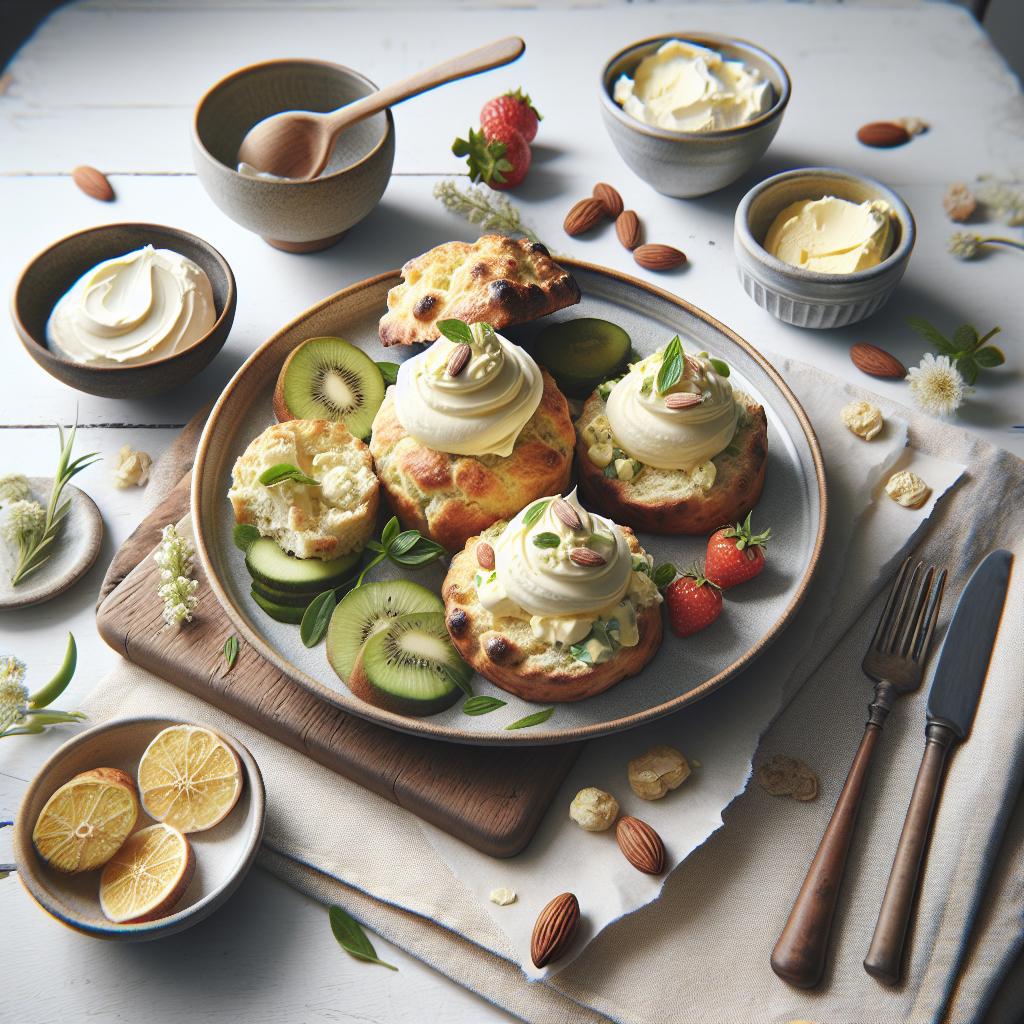
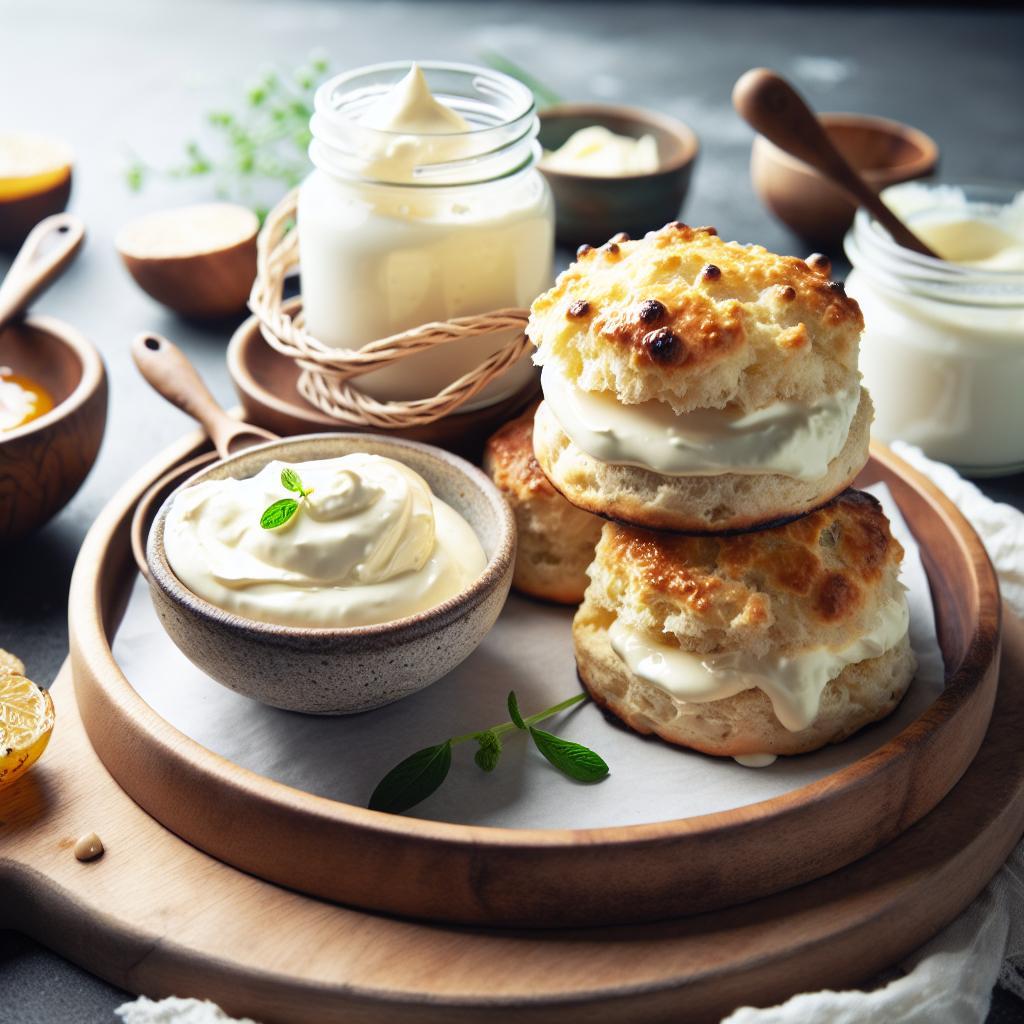
When it comes to serving your homemade clotted cream, presentation matters as much as taste. A dollop of thick, creamy clotted cream on a freshly baked, warm scone is an invitation to indulge. For a classic English tea moment, pair the cream-topped scone with a vibrant strawberry or raspberry jam, allowing the tart sweetness to balance the cream’s richness.
Try these elevated ideas for a sublime scone experience:
- Fresh berries: Scatter a few blueberries or sliced strawberries on top of the cream for a splash of color and fresh tang.
- Honey drizzle: Lightly drizzle wildflower honey over the cream for enhanced sweetness and floral aroma.
- Infused clotted cream: For adventurous palates, gently fold in a teaspoon of vanilla bean paste or a hint of lemon zest before serving.
- Pair with teas: Earl Grey or Darjeeling teas complement clotted cream beautifully, rounding out the sensory experience.
| Nutrient | Per 2 Tbsp Serving |
|---|---|
| Calories | 120 kcal |
| Protein | 1 g |
| Carbohydrates | 1 g |
| Fat | 12 g |
For those eager to explore further, check out our classic fluffy scone recipe to create the perfect base. To learn more about the science behind clotted cream, visit the Encyclopedia Britannica’s guide on clotted cream.

Q&A
Q&A: Creamy Indulgence – Crafting Homemade Clotted Cream for Scones
Q1: What exactly is clotted cream, and why is it so beloved with scones?
A1: Clotted cream is a luxuriously thick, velvety cream with a subtle, buttery sweetness. Traditionally made by gently heating full-fat cow’s milk or cream, it forms rich clots or curds that give it its unique texture. It’s the crowning jewel of a classic cream tea, pairing perfectly with crumbly scones and strawberry jam to create a heavenly balance of textures and flavors.
Q2: Can I make clotted cream at home, or is it a bakery-only treat?
A2: Absolutely! While clotted cream is famously British and often associated with Devon or Cornwall, you can craft it right in your kitchen. With just a bit of patience and full-fat cream, you can produce that indulgent, silky topping that elevates your scones to royal status.
Q3: What ingredients do I need to start my homemade clotted cream journey?
A3: Simplicity is key: you’ll need just one main ingredient-heavy cream or double cream with at least 35% fat content. Using the highest quality cream you can find will make all the difference in flavor and consistency.
Q4: What is the traditional method for making clotted cream at home?
A4: The classic approach involves pouring the cream into a shallow dish and gently heating it in the oven at a low temperature (around 80-90°C or 175-195°F) for 10-12 hours. This slow, patient process allows the cream to rise to the surface and “clot,” forming a thick, golden crust. After cooling and chilling, you skim off the luscious clots, leaving a dreamy cream ready for spoiling your scones.
Q5: Is there a faster way to make clotted cream for impatient cream lovers?
A5: While the slow bake is the gold standard, some clever shortcuts involve using a slow cooker or a double boiler to gently heat the cream overnight. However, the magic lies in low, slow heat-it can’t be rushed without losing the authentic texture and flavor.
Q6: How long does homemade clotted cream last once prepared?
A6: Stored in a clean, airtight container in the refrigerator, clotted cream typically stays fresh for up to five days. Its rich, creamy goodness means it’s best enjoyed sooner than later-though it might just disappear quickly anyway!
Q7: Any tips for serving clotted cream with scones for the perfect experience?
A7: Serve your scones warm, ideally freshly baked. Add a generous dollop of clotted cream, followed by a spoonful of your favorite strawberry or raspberry jam. Some aficionados debate the order-cream first or jam first-but whichever you choose, the combination is divinely indulgent.
Q8: Can clotted cream be used beyond scones?
A8: Absolutely! Beyond the classic cream tea, clotted cream can enrich desserts like fruit tarts, pancakes, or even as a decadent topping for hot chocolate. Its rich texture and subtle sweetness make it a versatile treat worthy of experimentation.
Q9: What makes homemade clotted cream taste better than store-bought varieties?
A9: Handmade clotted cream carries love and freshness you just can’t replicate in mass production. Tailoring the cream’s source and the slow cooking process allows you to capture a deeper, more nuanced flavor and that silky texture that melts on your tongue.
Q10: Where can I find inspiration or recipes to pair with my homemade clotted cream?
A10: Dive into British teatime traditions, artisanal baking blogs, and vintage cookbooks for endless inspiration! Experiment with lavender scones, lemon drizzle, or rose petal jam to create your personal clotted cream masterpiece.
With patience and a little cream, your kitchen can become a sanctuary of indulgence. Homemade clotted cream is more than a topping-it’s a celebration of texture, tradition, and taste that transforms humble scones into a regal delight. Enjoy the creamy journey!
In Summary
As you wrap up your clotted cream crafting journey, you’re not just making a spread-you’re reviving a timeless tradition that transforms simple scones into an extraordinary indulgence. With each slow stir and patient simmer, you’ve unlocked the secret to that luxuriously thick, velvety texture that turns a teatime treat into a moment of pure bliss. Whether you’re sharing with friends or savoring solo, homemade clotted cream invites you to slow down, savor the richness, and celebrate the art of true, creamy indulgence. So next time you reach for that dollop, remember: the best cream is the one you crafted with care. Happy whipping!