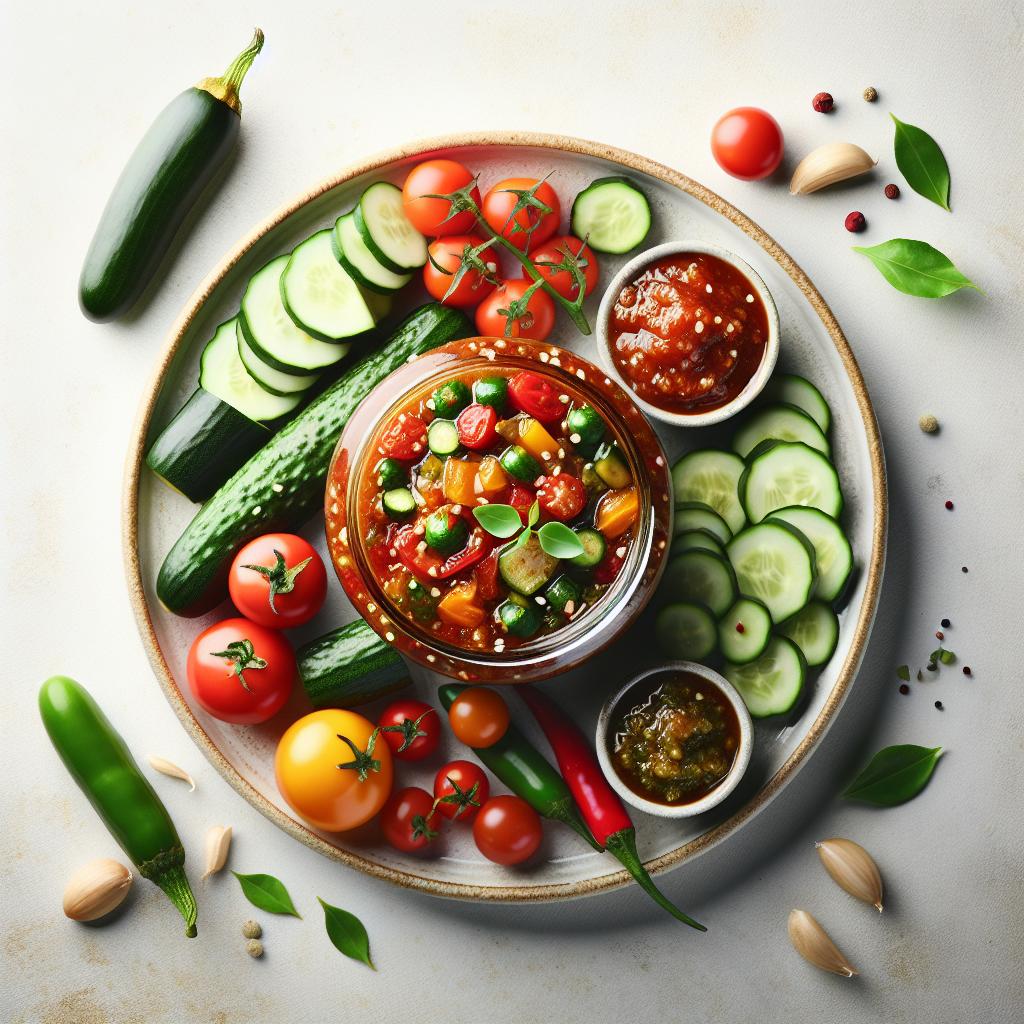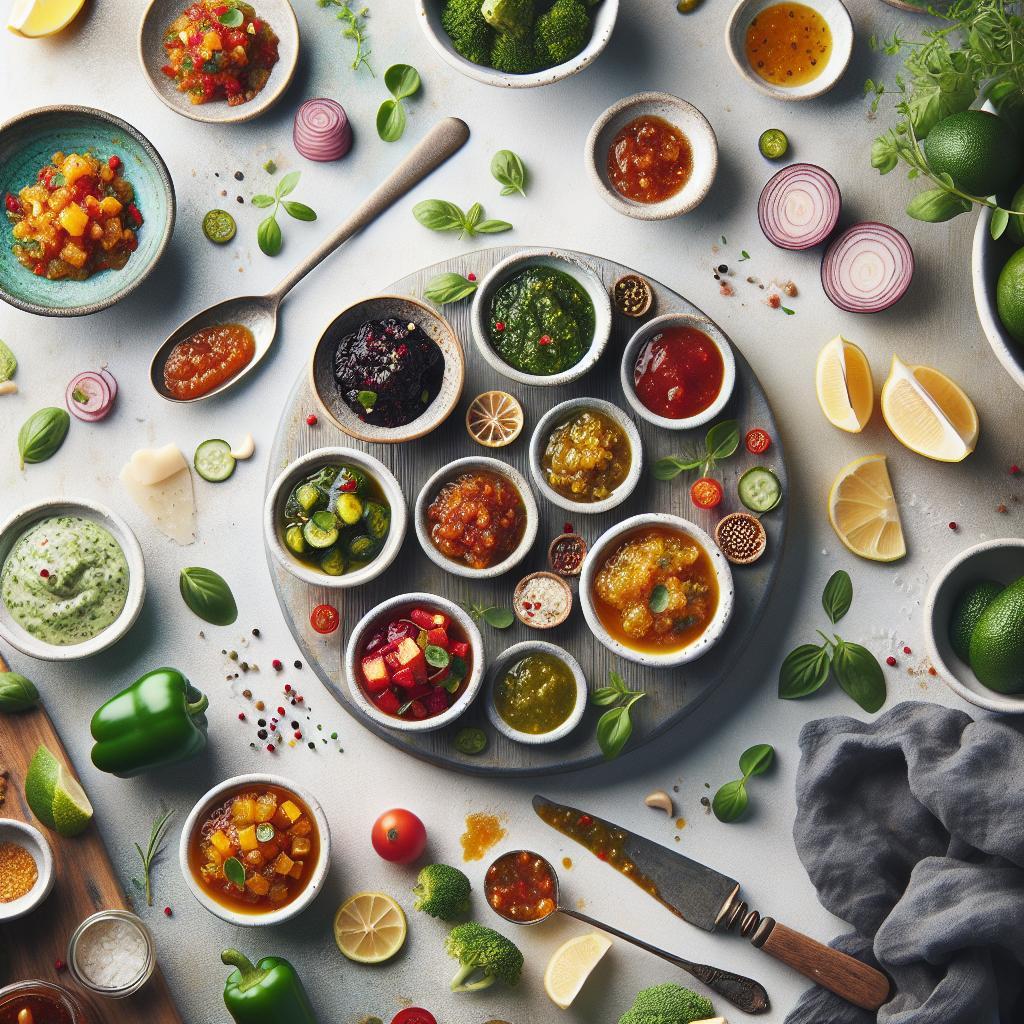

There’s something magical about the burst of flavor that a spoonful of chutney can bring-an enchanting blend of sweet, tangy, and spicy all mingling together in perfect harmony. But what if you could capture that magic in small, intimate batches, crafted right in your own kitchen? Welcome to the world of tiny tastes and homemade chutneys, where small-batch creations offer a fresh, personalized twist on this timeless condiment. In this article, we’ll explore the art of crafting chutneys in petite portions, revealing how subtle adjustments and thoughtful ingredient choices can transform your table accompaniments into unforgettable flavor experiences. Get ready to savor the charm of small-scale chutney making-where quality and creativity reign supreme.
Tiny Tastes: Crafting Small Batches of Homemade Chutney
Tiny Tastes: Crafting Small Batches of Homemade Chutney invites you on a sensory journey to explore vibrant, flavorful pairings that can transform everyday meals into gourmet experiences. Rooted in centuries of culinary tradition, chutneys have long served as a bridge between sweet, sour, and spicy sensations-each bite a harmonious symphony. This guide will demystify the art of small-batch chutney preparation, encouraging you to experiment with fresh, unexpected ingredients that tantalize the palate and enliven your cooking repertoire.
Prep and Cook Time
- Preparation: 15 minutes
- Cooking: 25 minutes
- Total: 40 minutes
Yield
Approximately 1 ½ cups (perfect for sharing or gifting)
Difficulty Level
Easy – ideal for beginners eager to master flavor balance
Ingredients
- 1 cup diced ripe mango (fresh or frozen, thawed)
- ½ cup finely chopped red onion
- 1 small fresh red chili, seeded and minced (adjust to taste)
- ¼ cup brown sugar (for natural sweetness)
- ¼ cup apple cider vinegar (for bright acidity)
- 1 tablespoon grated fresh ginger
- 1 teaspoon mustard seeds
- ½ teaspoon salt
- ¼ teaspoon ground cumin
- 2 tablespoons water
Instructions
- Toast the mustard seeds in a dry skillet over medium heat for 1-2 minutes until they start to pop, releasing a rich aroma. Transfer immediately to avoid burning.
- Sauté onion, chili, and ginger: In a medium saucepan, heat 1 tablespoon of water over medium heat. Add the chopped onion, chili, and grated ginger. Cook, stirring occasionally, until soft and fragrant, about 5 minutes.
- Add diced mango, brown sugar, apple cider vinegar, salt, and cumin: Stir to combine, then bring to a gentle simmer. Reduce the heat to low and let the mixture cook uncovered for 20-25 minutes, stirring occasionally to prevent sticking.
- Incorporate toasted mustard seeds: Stir the toasted seeds into the chutney for that subtle nutty undertone and texture contrast.
- Adjust consistency and seasoning: If the chutney is too thick, add a tablespoon of water at a time until desired texture is achieved. Taste and fine-tune salt, sugar, or chili according to your preference.
- Cool completely: Remove from heat and allow the chutney to cool to room temperature before transferring to a sterilized jar.
- Store: Seal tightly and refrigerate. Tiny tastes of this chutney develop even deeper flavor after 24-48 hours.
Tips for Success
- Customization is key: Swap mango with stone fruits like peach or plum for a seasonal twist.
- Balancing act: Remember the triptych of sweet, sour, and spicy. If your chutney is too tart, add a pinch more sugar. Too sweet? A few drops of lemon juice or vinegar will brighten the flavors.
- Preservation: Use sterilized jars and refrigerate; consume within two weeks for optimal freshness.
- Textural delight: For a chunkier chutney, roughly chop fruit instead of pureeing.
- Make ahead: Craft chutney up to 3 days in advance – flavors marry beautifully over time.
Creative Serving Suggestions
Brighten your meals by spooning this homemade chutney alongside a platter of soft cheeses like Brie, creamy yogurts, or fresh paneer. It’s an exceptional accompaniment to grilled meats, roasted vegetables, or warm naan. For a fresh twist, swirl chutney into salad dressings or use as a topping for avocado toast. Garnish with fresh chopped cilantro or toasted sesame seeds for added visual appeal and texture contrast, sparking excitement at every meal.
| Nutrient | Per 2 tbsp Serving |
|---|---|
| Calories | 45 kcal |
| Protein | 0.3 g |
| Carbohydrates | 12 g |
| Fat | 0.1 g |

For more inspiring condiments, check out our homemade pickles collection. To deepen your knowledge on balancing flavors, the Serious Eats guide to flavor balance is a definitive resource.
Q&A
Q&A: Tiny Tastes – Crafting Small Batches of Homemade Chutney
Q1: What makes small-batch chutney special compared to large-scale recipes?
A1: Small-batch chutneys capture the essence of freshness and personalization. When you craft chutney in tiny portions, every spoonful bursts with vibrant flavors, and you have creative freedom to experiment with unique ingredient combos without wasting anything. It’s like painting a miniature masterpiece on your palate!
Q2: Which ingredients are best suited for small-batch chutney recipes?
A2: Fresh, seasonal fruits and veggies shine brightest in small batches – think crisp apples, tangy mangoes, fiery chilies, or jewel-like pomegranate seeds. Adding a dash of spices like cinnamon, mustard seeds, or cumin brings warmth and depth. Because you’re making less, you can afford to use high-quality or rare ingredients to elevate the chutney’s personality.
Q3: How do I balance sweet, sour, and spicy flavors in a tiny chutney batch?
A3: The magic of chutney lies in balance, even more so in small quantities. Start by choosing your base fruit or veggie, then add acidity (vinegar or citrus), sweetness (jaggery, honey, or sugar), and heat (chilies or ginger) in tiny increments. Taste as you go-tiny adjustments are easier and more effective when you’re working in small, manageable amounts.
Q4: What equipment is ideal for crafting chutney in small batches?
A4: A small saucepan or non-stick skillet, a sharp knife, and a good spoon for stirring are your essentials. Mini glass jars or airtight containers keep your chutney fresh and make portioning simple. Because quantities are small, cleanup is a breeze and experimentation feels less intimidating.
Q5: How long can small-batch chutneys be stored, and what’s the best way to enjoy them?
A5: Homemade chutneys, when refrigerated in sterilized jars, can last anywhere from two weeks to a month, depending on ingredients. Their vibrant flavors often deepen over a couple of days. Enjoy tiny chutney dollops alongside cheeses, grilled meats, or as zingy sandwich spreads-it’s the perfect way to add an unexpected twist to everyday meals.
Q6: Any pro tips for new chutney crafters?
A6: Embrace patience and curiosity! Keep a tasting journal to note what worked and what didn’t. Small batches mean minimal risk, so don’t hesitate to try bold flavors-maybe a hint of star anise or a sprinkle of toasted nuts. Most importantly, savor the sensory joy of crafting something deliciously homemade, one tiny taste at a time.
To Conclude
As you embark on your own small-batch chutney adventures, remember that these little jars of flavor are more than just condiments-they’re a celebration of creativity, tradition, and the joy of homemade craft. Tiny tastes bring big satisfaction, allowing you to experiment fearlessly, tailor each batch to your palate, and savor the fresh, vibrant essence of ingredients in their purest form. So gather your spices, chop with care, and relish the process of transforming humble fruits and vegetables into luscious, zingy chutneys that turn every meal into a memorable experience. After all, sometimes the smallest creations leave the most lasting impression.