
In the timeless dance of home preservation, two methods take center stage: water bath canning and pressure canning. Each promises to capture the vibrant essence of summer’s bounty, locking in flavors and freshness for months to come. But when it comes to safeguarding your harvest, which technique truly reigns supreme? Is it the gentle simmer of a rolling water bath, or the intense steam-driven pressure canner that holds the key to the perfect preservation? Join us as we delve into the science, safety, and flavor of these classic methods, unraveling the secrets behind what truly preserves best.
Water bath vs pressure canning stands at the crossroads of home food preservation, offering distinct means to lock in freshness, nutrients, and flavor for months or even years. Understanding the unique science behind each method unlocks the confidence to preserve your garden bounty, homemade sauces, or hearty stews with safety and success. As someone who has explored every jar on my pantry shelf, I’ve come to appreciate how choosing the right technique will elevate your canning game-not just preserving food, but crafting shelf-stable treasures that taste as vibrant as day one.
Prep and Cook Time
- Preparation: 20-30 minutes (depending on the recipe)
- Canning Process: 40-120 minutes (varies by method and food type)
- Cooling Time: 12-24 hours
Yield
Makes approximately 4 to 6 quarts of preserved food, depending on recipe and jar sizes.
Difficulty Level
Medium – requires attention to detail and careful monitoring of time and temperature to ensure safety.
Ingredients
- Fresh produce: such as 4 lbs tomatoes, peaches, beans, or pickling cucumbers (choose firm, ripe, and unblemished)
- Canning jars: Mason jars available in pint or quart sizes, sterilized and prepared
- Lids and bands: new flat lids and screw-on bands
- Preservation liquid: distilled water, vinegar (5% acidity), or a boiling syrup as specified by recipe
- Salt and sugar: optional, for flavor and texture retention depending on the preserve
- Pressure canner or water bath canner: a heavy-duty pot with precisely fitting lid
- Jar lifter and funnel: essential tools to handle hot jars safely
Instructions
- Prepare your ingredients. Wash, peel, pit, and chop fruits or vegetables as per your recipe’s requirements. Uniform pieces ensure even heat penetration.
- Preheat jars. Keep sterilized jars warm in simmering water to prevent breakage when filled with hot food.
- Fill jars with food and liquid. Using a clean funnel, carefully pack the produce and pour hot liquid over, leaving recommended headspace (usually ½ inch).
- Remove air bubbles. Slide a plastic or wooden spatula down the inside of jars to release trapped air pockets. Wipe rims to ensure a clean seal.
- Apply lids and bands. Place lids on jars and screw bands fingertip-tight (not overly tight to allow escaping steam).
- Select the canning method based on acidity: Use water bath canning for high-acid foods like fruits, jams, jellies, and pickles. Use pressure canning for low-acid foods such as vegetables, meats, and soups to safely reach temperatures above 212°F.
- Process jars: Place jars in the water bath or pressure canner according to your recipe. For water bath canning, cover jars by 1-2 inches with simmering water; for pressure canning, follow manufacturer’s instructions on pressure and time based on altitude.
- Cool jars. Remove jars carefully, place upright on a towel, and let cool undisturbed for 12-24 hours. Listen for “ping” sounds as lids seal.
- Check seals. Press the center of each lid; a properly sealed jar will not flex up or down. Label and store in a cool, dark place.
Chef’s Notes & Tips for Success
- Always use tested recipes from trusted sources like the National Center for Home Food Preservation to ensure safety.
- Use new lids with each canning session-reusing lids can compromise seals.
- Water bath canning is less equipment-intensive and perfect for beginners working with acidic foods.
- Pressure canning requires a well-maintained pressure canner but is essential for safe preservation of low-acid items.
- Altitude adjustments in processing times or pressure levels can prevent spoilage; consult local extension service guidelines.
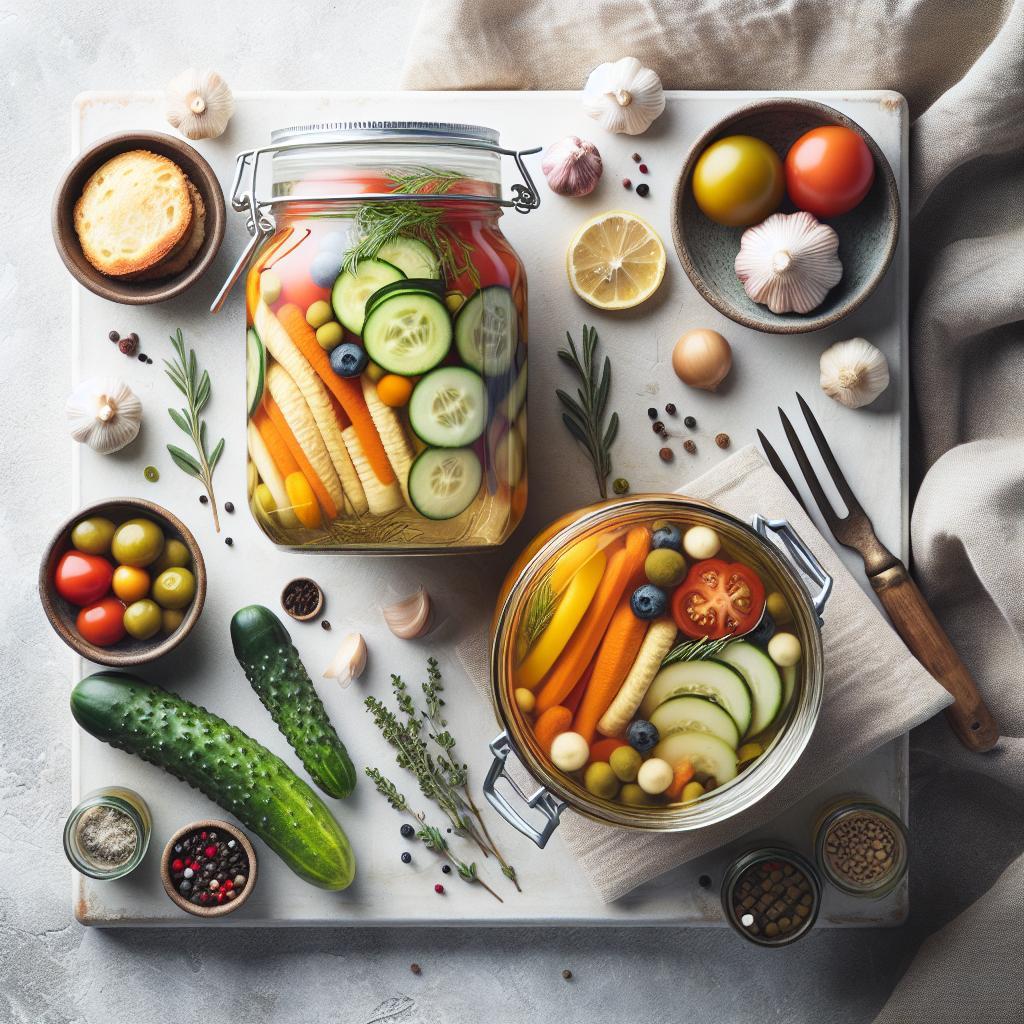
- Image tip: Photograph your jars with a rustic wooden backdrop and vibrant produce spilling onto a crisp linen towel to visually represent the contrast between water bath vs pressure canning.
Serving Suggestions
Once preserved, your food can shine in countless ways: spoon rich tomato sauce over pasta, enjoy homemade jams on breakfast toast, toss crisp green beans into summer salads, or reheat tender stews for cozy suppers. Garnish preserves with fresh herbs like basil or thyme to enhance freshness. Elegant presentation in clear jars invites guests to savor the nature-seasoned flavors you’ve lovingly captured.
| Nutritional Information (per ½ cup serving) | Water Bath Canning | Pressure Canning |
|---|---|---|
| Calories | 70 | 85 |
| Protein | 1g | 3g |
| Carbs | 18g | 10g |
| Fat | 0g | 2g |

Q&A
Q&A: Water Bath vs Pressure Canning: Which Preserves Best?
Q1: What exactly is water bath canning?
A1: Water bath canning is like a warm, bubbly soak for your jars. It involves submerging filled jars in boiling water (212°F/100°C) for a set amount of time to kill bacteria and create a vacuum seal. It’s perfect for high-acid foods like fruits, jams, pickles, and tomatoes.
Q2: What about pressure canning-is it just fancier water bath?
A2: Think of pressure canning as water bath canning’s powerful big sibling. It uses a sealed, pressurized pot to raise temperatures above boiling-up to around 240°F (116°C). This higher heat tackles stubborn bacteria and spores that water can’t touch, making it essential for low-acid foods like vegetables, meats, and soups.
Q3: So which method preserves best?
A3: It depends on your preserve! For acidic foods, water bath canning preserves freshness, flavor, and safety beautifully. But for low-acid foods, pressure canning is the champion-it ensures safe preservation by eliminating the risk of botulism. In essence, the “best” method matches the acidity and ingredients of what you’re canning.
Q4: Are there texture or flavor differences between the two?
A4: Water bath canning generally keeps fruits and pickles crisp and vibrant, with their flavors popping. Pressure canning, due to higher heat, can soften certain foods more-like beans or meats-but it intensifies flavors and locks in nutrients safely. Each method offers a unique taste and texture profile that pairs with the food type.
Q5: Can I just use one method for all my canning projects?
A5: Ah, if only it were that simple! Using water bath on low-acid foods risks dangerous bacteria surviving, while pressure canning acidic foods isn’t harmful but can be overkill and dull delicate flavors. Following recommended methods for specific food types ensures safety and delicious results.
Q6: Is one method easier or more beginner-friendly?
A6: Water bath canning is often recommended for beginners because it’s straightforward-boil, time, cool, done! Pressure canning requires special equipment, careful pressure monitoring, and a learning curve to master. But once you’ve got it down, pressure canning opens up a world of homemade soups, meats, and veggies.
Q7: Any tips for choosing between them?
A7: Start by identifying your food’s acidity. Use water bath for jams, jellies, salsas, pickles, and most fruits. Switch to pressure canning for green beans, meats, poultry, soups, and low-acid vegetables. Invest in a quality pressure canner if you plan to tackle a variety of savory preserves. And always follow trusted recipes and guidelines for safe, tasty results!
In the battle of Water Bath vs Pressure Canning, the best preserves come from knowing your food and choosing the method that matches its chemistry and flavor. Happy canning adventures!
To Wrap It Up
In the great preservation showdown between water bath and pressure canning, the best choice ultimately depends on what you’re looking to safeguard in your pantry. Water bath canning, with its gentle boiling embrace, suits high-acid foods and keeps simplicity reigning in your kitchen. Pressure canning, on the other hand, is the heavyweight champion for low-acid treasures, locking in safety and longevity with steamy, high-pressure power. Armed with this knowledge, you can confidently choose your method and turn fresh harvests into time-honored treasures. So, whether you’re simmering sweet jams or sealing savory stews, your preserved bounty will be ready whenever the craving strikes-because understanding the science behind canning is the first step in preserving perfection.