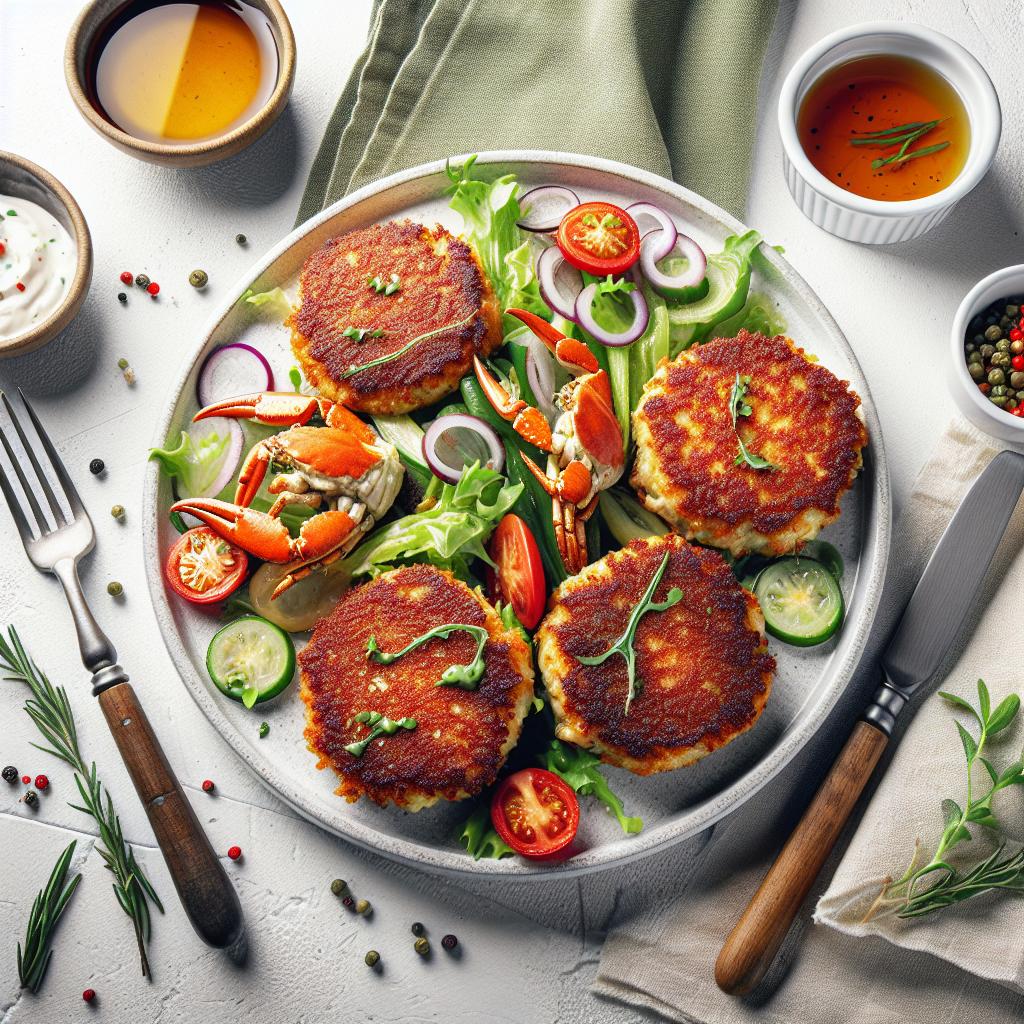

When it comes to bold flavors that dance on the tongue and tell a story of coastal charm, few dishes rival the irresistible allure of Cajun cuisine. Among its many treasures, Cajun crab cakes stand out as a symphony of spice, fresh seafood, and Southern soul. In this guide, we invite you to savor the spice and dive into the art of crafting authentic Cajun crab cakes-perfectly seasoned, tender, and golden-crisp. Whether you’re a seasoned chef or a curious foodie, prepare to embark on a culinary journey to the bayous, where tradition meets taste in every bite.
Savor the Spice: Authentic Cajun Crab Cakes Recipe Guide
Savor the spice and zest of the Gulf Coast with authentic Cajun crab cakes that burst with bold flavors and delicate textures. This dish celebrates the vibrant culinary traditions of Louisiana, where Cajun seasoning transforms simple crab meat into a symphony of smoky, spicy, and savory notes. My first encounter with Cajun crab cakes was at a bustling New Orleans street market, where the crispy exterior and juicy, tender inside instantly won my heart, inspiring me to bring that same magic into my kitchen.
Prep and Cook Time
- Preparation: 20 minutes
- Cooking: 15 minutes
- Total Time: 35 minutes
Yield
Makes 8 generous crab cakes (serves 4 as a main course)
Difficulty Level
Medium – Perfect for home cooks looking to elevate their seafood game with textured, flavorful results.
Ingredients
- 1 lb fresh lump crab meat, picked over for shells
- 1/4 cup mayonnaise, preferably with a hint of lemon
- 2 teaspoons authentic Cajun seasoning – smoky, spicy, and aromatic
- 1 large egg, lightly beaten
- 1 tablespoon Dijon mustard for tangy balance
- 1/2 cup panko breadcrumbs, for light binding and crispiness
- 2 tablespoons finely chopped green onions
- 1 tablespoon freshly chopped parsley for freshness
- 1 tablespoon fresh lemon juice
- Salt and black pepper to taste
- 2 tablespoons vegetable oil or clarified butter for frying
Instructions
- Prepare the crab mixture: In a large bowl, gently fold the lump crab meat with mayonnaise, Cajun seasoning, beaten egg, Dijon mustard, panko breadcrumbs, green onions, parsley, and lemon juice. Avoid overmixing to retain the crab’s delicate texture.
- Season and bind: Taste the mixture and adjust with salt and black pepper as needed. The breadcrumbs and egg create the perfect binding blend to hold the cakes without overpowering the crab’s freshness.
- Shape the crab cakes: Using your hands or a scoop, gently form the mixture into 8 evenly sized patties about 3 inches in diameter and 1 inch thick.
- Chill for firmness: Refrigerate the shaped patties for at least 20 minutes. This step enhances binding and prevents them from falling apart during cooking.
- Heat the pan: In a large non-stick skillet, heat the vegetable oil or clarified butter over medium heat until shimmering.
- Cook to perfection: Carefully add the chilled crab cakes and sauté until golden brown and crisp on the first side-about 4-5 minutes. Flip gently and cook another 3-4 minutes until the exterior is crispy and the interior remains tender and moist.
- Drain and rest: Transfer crab cakes to a wire rack or plate lined with paper towels to drain excess oil and keep the crust crisp.
Tips for Success
- Choosing Crab Meat: Opt for fresh lump crab meat whenever possible-blue crab or Dungeness offer sweet, flaky textures. If using canned, pick premium brands packed in water for the best flavor integrity.
- Binding Balance: The perfect binding blend is crucial to keep the cakes intact without heaviness. Limit the breadcrumbs and mayonnaise to preserve natural crab texture.
- Chilling is Key: Never skip chilling shaped crab cakes before cooking; it significantly improves hold and texture.
- Pan Temperature: Medium heat is essential to achieve golden, crunchy exteriors while keeping centers tender. Too high heat risks burning the crust before the inside warms through.
- Make-Ahead: Form crab cakes up to 24 hours ahead; store covered in the fridge until ready to cook. This preps flavors to meld beautifully.
Serving Suggestions
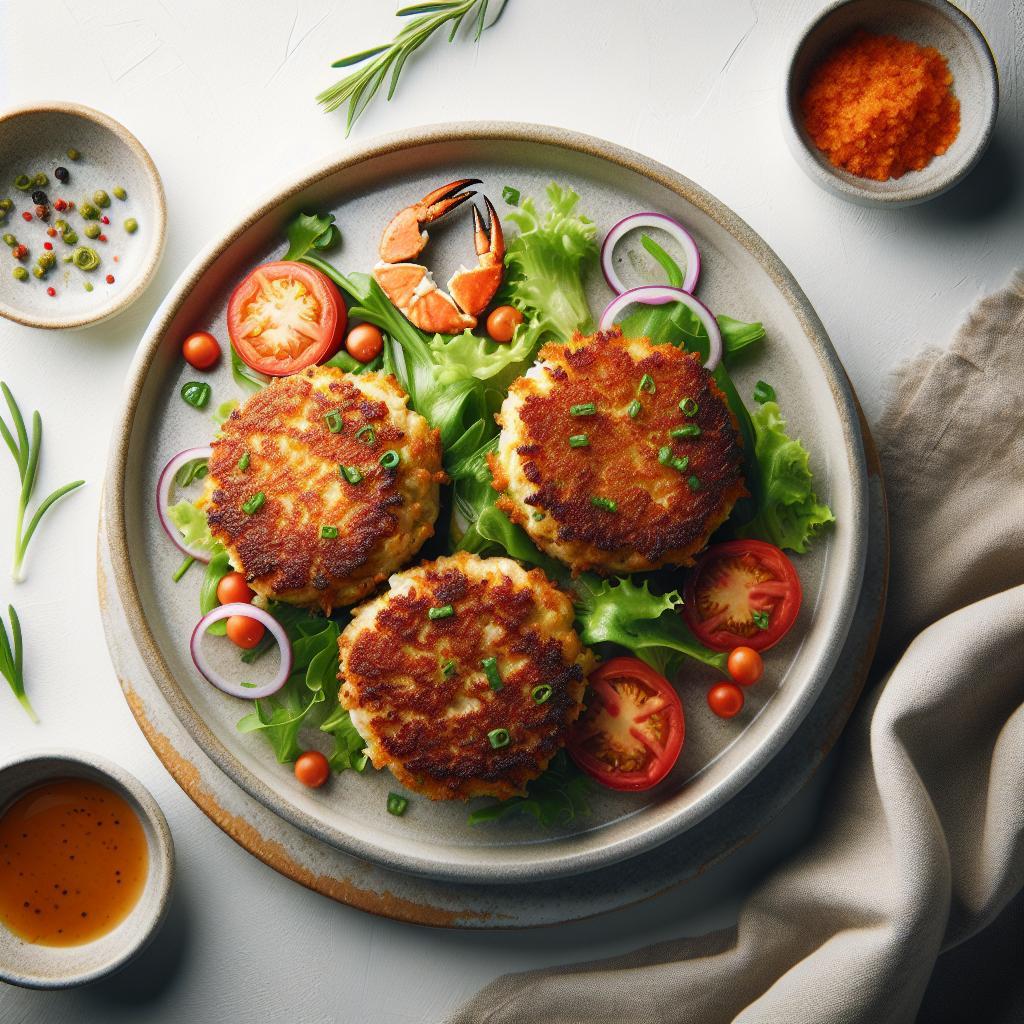
Present these golden Cajun crab cakes nestled on a bed of fresh mixed greens, garnished with a wedge of lemon and sprigs of parsley. Elevate with a drizzle of creamy rémoulade sauce infused with a touch of Cajun heat or a tangy aioli to complement the smoky seasoning. Pair with roasted vegetables or a light corn salad for a colorful, balanced plate. A chilled glass of sparkling water with lime accentuates the spice and freshness.

| Nutrient | Per Serving (2 crab cakes) |
|---|---|
| Calories | 320 kcal |
| Protein | 28 g |
| Carbohydrates | 12 g |
| Fat | 18 g |
For more tips on seafood seasoning and creative recipes, visit our Cajun seafood recipe collection. Expand your culinary knowledge on Cajun cuisine from this reliable source: National Park Service on Cajun Heritage.
Q&A
Q&A: Savor the Spice – Authentic Cajun Crab Cakes Recipe Guide
Q1: What makes Cajun crab cakes different from other crab cake varieties?
A1: Cajun crab cakes are a vibrant celebration of bold spices and robust flavors that set them apart. Unlike milder versions, they feature a distinct blend of Cajun seasonings such as smoked paprika, cayenne pepper, garlic powder, and onion powder, which infuse the cakes with a zesty, slightly smoky kick. The seasoning dance perfectly complements the sweet, delicate crab meat, creating a harmonious contrast that’s unmistakably Cajun.
Q2: Which type of crab meat is best suited for authentic Cajun crab cakes?
A2: Lump crab meat is the gold standard for authentic Cajun crab cakes. It’s prized for its large, tender chunks and sweet, delicate flavor. Using lump meat ensures that you get beautiful crab bites in every cake, rather than a mushy texture that can come from flake or claw meat. The lightly seasoned crab deserves to be the star, so quality matters!
Q3: How can I achieve the perfect texture for my Cajun crab cakes?
A3: The magic lies in balance. Use just enough binder-typically mayonnaise and a light sprinkle of breadcrumbs-to hold the mixture together without overwhelming the crab. Overmixing can make the cakes dense, so gently fold ingredients to maintain those enchanting crab lumps. For added crunch, some chefs coat their cakes with a thin layer of panko breadcrumbs before searing, achieving a crisp golden crust.
Q4: What cooking methods work best for Cajun crab cakes?
A4: Pan-searing is the traditional and most popular method to craft these spicy delights. Searing in a hot skillet with a touch of butter or oil creates a crisp exterior while keeping the inside tender and juicy. For an extra touch of Cajun flair, some cooks finish their crab cakes under the broiler for a minute or two to add a bit of char. Baking is a gentler alternative for a lighter finish but may lack that signature crust.
Q5: Are there any flavorful, non-pork-based seasonings or ingredients I should include?
A5: Absolutely! Essential Cajun seasonings like smoked paprika, cayenne, garlic powder, onion powder, thyme, oregano, and black pepper create that iconic flavor profile. Fresh ingredients such as finely chopped green bell peppers, celery, and parsley add brightness and texture. Worcestershire sauce (check for non-pork varieties) or a splash of hot sauce can deepen the savory notes without crossing any ingredient lines.
Q6: How can I serve Cajun crab cakes to highlight their authentic flavors?
A6: Cajun crab cakes are at their best paired with fresh, vibrant sides and complementary sauces. Consider a tangy remoulade made with mustard, lemon juice, and Cajun spices or a creamy rémoulade with a kick of horseradish. Lightly dressed greens or a crisp coleslaw with a citrus vinaigrette provide refreshing balance. For a true Louisiana vibe, serve alongside seasoned rice or grilled vegetables dusted with a pinch of Cajun seasoning.
Q7: Can Cajun crab cakes be made ahead of time?
A7: Yes! You can prepare the crab mixture and shape the cakes ahead, refrigerating them for up to 24 hours to let the flavors meld. Just be sure to cover them tightly to prevent drying out. When ready to serve, simply pan-sear or bake until golden and heated through. Alternatively, fully cooked crab cakes freeze well; thaw before reheating to preserve their tender texture.
Q8: What tips can help prevent crab cakes from falling apart during cooking?
A8: The key is to avoid overloading your mixture with crumbs or binders. Use just enough to gently hold the cakes together. Chill the shaped cakes in the fridge for at least 30 minutes before cooking-this firms them up, making them less prone to breaking. Cook over medium heat to a golden crust-too high, and the outside burns before the inside cooks; too low, and they may become soggy.
Q9: Are there vegetarian or vegan alternatives that capture the spirit of Cajun crab cakes?
A9: While nothing replicates the sweet crab flavor perfectly, plant-based options like hearts of palm or artichoke hearts can mimic the flaky texture. Spice them generously with Cajun seasoning, add breadcrumbs and a binder such as aquafaba or vegan mayo, then pan-sear as usual. These alternatives offer a delightful homage to Cajun flavors while respecting dietary choices.
Q10: What is the cultural significance of crab cakes in Cajun cuisine?
A10: Crab cakes embody the rich coastal bounty and hearty spirit of Cajun cooking. Rooted in Louisiana’s delicate balance of French, African, and Native American influences, they celebrate the humble crab with bold seasoning and straightforward technique. Each bite is a tribute to the Cajun knack for turning fresh, local ingredients into soulful, spice-rich dishes that bring families and communities together.
Closing Remarks
As the last bite of these zesty Cajun crab cakes melts away, you’ll find yourself savoring more than just the spices-you’ll be tasting a rich tradition steeped in Louisiana’s vibrant culture. This authentic recipe guide doesn’t just offer a meal; it serves as a flavorful journey into the heart of Cajun cooking, where every seasoning tells a story. So next time you crave a dish that bursts with bold flavors and coastal charm, remember this guide and bring a little Cajun magic to your kitchen. After all, great food is more than sustenance-it’s an experience waiting to be shared.