
10 Amazing Baked Fish Lemon Garlic Fillets That Take 20 Minutes or Less
These lemon-garlic fillets show how baked fish can be fast, healthy, and restaurant-quality at home. The technique pairs bright citrus with roasted garlic and a hot oven so fillets flake in under 20 minutes.
- 10 Amazing Baked Fish Lemon Garlic Fillets That Take 20 Minutes or Less
- Baked Fish: Quick Cultural and Personal History
- Ingredients for 5 Lemon Garlic Baked Fish Fillets
- Step-by-Step Preparation for Baked Fish Fillets
- Oven Tips and Timing
- Cooking Science and Safety
- Nutritional Information per Serving for Baked Fish Fillets
- Expert Pro-Tips to Elevate Your Baked Fish
- Plating, Serving, and Side Pairings for Baked Fish
- Why These Baked Fish Fillets Work
- FAQ
- Speed: Prep in 30 seconds per fillet and bake for 8–12 minutes.
- Servings: Scaled recipe for five fillets with metric and imperial measures.
- Nutrition: About 200–300 kcal per serving depending on fish choice.
- Versatile: Swap herbs, citrus, or fish for easy variation.
The method focuses on quick heat transfer and a small, well-seasoned surface compound to lock flavor. Use firm white fish or similar portioned fillets for predictable timing and texture.
Baked Fish: Quick Cultural and Personal History
Baking fish appears across coastal cuisines because it concentrates flavor while keeping added fat low. Mediterranean preparations often use citrus and herbs, while Northern European recipes favor simple aromatics and clean oven finishes.
I adopted lemon and garlic in my family for the way acid brightens oil-rich fish and garlic adds savory depth. For background on species and broad biological context see fish.
Ingredients for 5 Lemon Garlic Baked Fish Fillets
Choose firm white fish such as cod, haddock, pollock, or halibut for consistent results. Measure ingredients before you start so total prep stays under 10 minutes.
Ingredients (5 servings):
- 5 fish fillets (125–150 g / 4.5–5.3 oz each; total ~750 g / 1.65 lb)
- 3 tbsp / 45 ml extra-virgin olive oil
- 3 tbsp / 45 g unsalted butter, melted (optional)
- 3 cloves garlic, minced (about 12 g)
- 2 lemons — zest of 1 and 30 ml / 2 tbsp juice
- 1 tsp / 5 g sea salt, plus extra to taste
- ½ tsp / 2 g black pepper, freshly ground
- 1 tbsp / 15 g chopped fresh parsley
- Optional: ½ tsp smoked paprika or 1 tsp Dijon mustard
For species notes consult the cod entry for handling and flavor expectations, especially when selecting firm white fish. See cod for a sense of texture and market sizing.
Step-by-Step Preparation for Baked Fish Fillets
This method relies on a hot oven and a preheated rimmed sheet to create a slight crust while preserving a moist interior. Prep and assembly take about 5–7 minutes; baking finishes in 8–12 minutes depending on thickness.
Technique summary: preheat, pat dry, season, add compound, and roast at high heat. Use an instant-read thermometer if unsure; 63°C (145°F) is the USDA minimum for finfish, while 60–62°C gives a softer finish.
Step 1 — Preheat and Prepare
Preheat the oven to 220°C / 425°F and position a rack in the upper-middle for the best surface color. Line a rimmed sheet with parchment or lightly brush oil to speed heat transfer and prevent sticking.
Pat fillets dry to remove surface moisture, which improves browning and concentrates seasoning. Season both sides with salt and pepper while the oven heats.
Step 2 — Lemon Garlic Compound
Combine olive oil, melted butter (if using), minced garlic, lemon zest, and a touch of lemon juice in a small bowl. Stir into a loose emulsion; a pinch of mustard or smoked paprika deepens color and flavor.
Brush roughly two teaspoons of compound over each fillet and reserve a little for finishing. The compound caramelizes lightly and keeps fillets glossy without weighing them down.
Step 3 — Bake and Finish
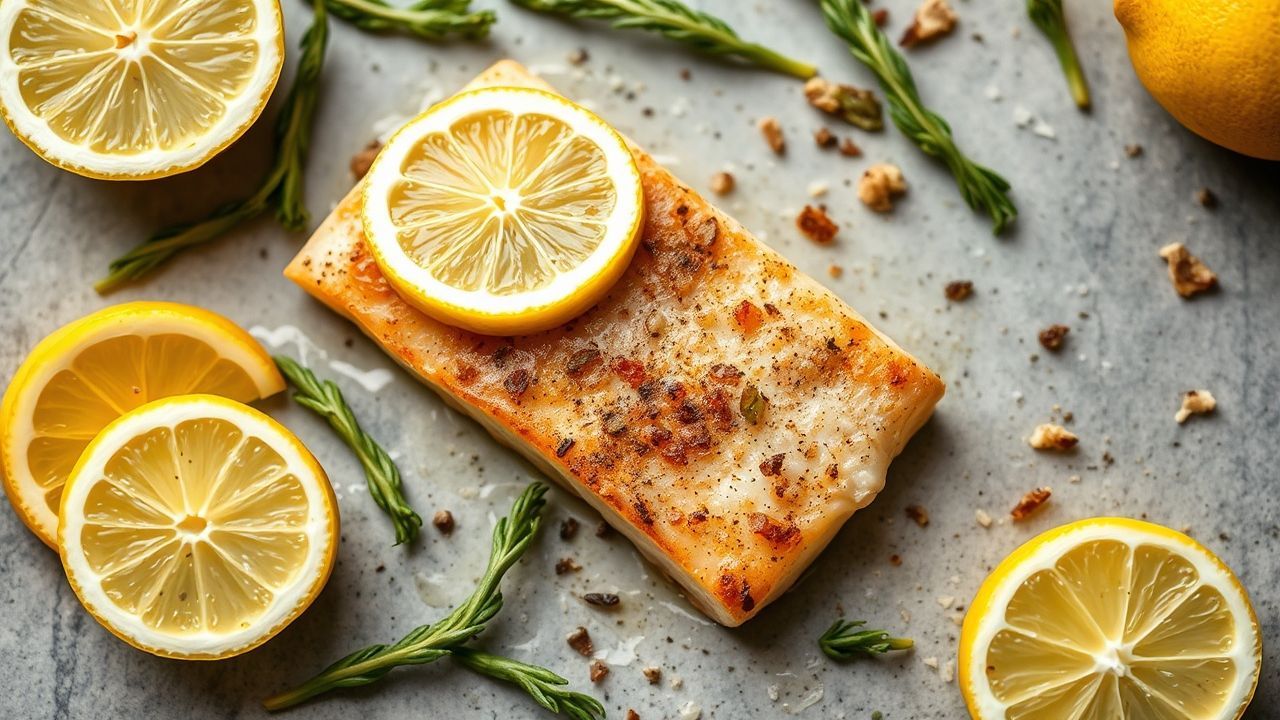
Place fillets skin-side down if skin is attached and give each piece breathing room on the sheet. For fillets about 1 inch / 2.5 cm thick, bake 10–12 minutes; thinner pieces need 8–10 minutes.
Check doneness by inserting a fork at the thickest point and twisting gently; the flesh should flake and appear opaque. Remove immediately to avoid overbaking because carryover heat will finish the cook.
Oven Tips and Timing
Use a thin metal baking sheet or shallow dish to speed heat transfer and give a small, even crust to the surface. Position the tray on the upper-middle rack to encourage color without burning delicate garlic pieces.
For a quick finish, use a 45–60 second broil or a brief butter baste after baking to add sheen and short caramelization. Watch closely during broiling to prevent overcooking and bitter spots.
Cooking Science and Safety
Heat drives protein denaturation and moisture loss; higher oven temperature reduces time and concentrates surface flavor. A brief, hot bake sears flavors while limiting internal drying when executed correctly.
Follow safe internal temperatures: 63°C (145°F) is the USDA-recommended minimum for finfish if you require that standard. Allow fillets to rest 2–3 minutes after removing from the oven so carryover heat equalizes.
Nutritional Information per Serving for Baked Fish Fillets
Nutrition varies by species and added fat. The estimate below uses a 125–150 g cod fillet with about 1 tbsp olive oil per serving to give a practical baseline for meal planning.
Estimated nutrition per serving (cod, with olive oil):
- Calories: ~220 kcal
- Protein: ~28 g
- Total Fat: ~9 g (Saturated fat: ~1.5 g)
- Carbohydrates: 1–2 g
- Sodium: ~380 mg (depends on added salt)
For precise tracking, weigh fillets and log portions in a nutrition app or diary. Fattier fish such as salmon will increase calorie totals and add omega-3 fats that many diets value.
Expert Pro-Tips to Elevate Your Baked Fish
Small technique changes deliver big results: dry fillets, use high heat, and space pieces to encourage even browning. Rotate trays if you bake more than one at a time to avoid hot spots and inconsistent cooking.
Finish with a quick butter baste after baking or add chopped fresh herbs like parsley immediately before serving. Fresh herbs provide visual contrast and brightness without heat-induced bitterness.
Plating, Serving, and Side Pairings for Baked Fish
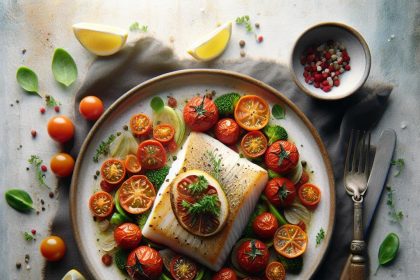
Spoon reserved compound or pan juices over fillets and finish with chopped parsley and a lemon wedge. Presentation matters; the lemon wedge adds an immediate citrus burst at the table.
Pair with simple sides: herbed couscous, buttered green beans, roasted baby potatoes, or a light arugula salad. For sauce options, try a caper-butter or a yogurt-dill sauce to complement lemon-garlic notes.
Why These Baked Fish Fillets Work
High heat, a balanced lemon-garlic compound, and precise timing create flaky fillets with sharp flavor. The approach scales and adapts for weeknights or casual entertaining without special equipment.
Swap herbs, change citrus, or add spice while preserving the core technique: dry, season, oil, and roast hot. This structure produces consistent results across fish types and portion sizes.
FAQ
Below are common questions with clear, actionable answers for home cooks seeking reliable results. Each answer focuses on timing, selection, and technique so you can reproduce the results with confidence.
What fish should I choose for fast baking?
Firm white fish such as cod, haddock, pollock, or tilapia hold up well under high heat. Thicker fillets like halibut or sea bass will take a little longer but still work with this method.
How can I tell when the fillet is perfectly cooked?
Look for opaque flesh that flakes with a fork and an internal reading near 63°C (145°F) for USDA guidance. Many cooks aim for 60–62°C for a softer finish, but that is below the USDA minimum.
Can I prepare the lemon garlic mix in advance?
Yes. Mix garlic, lemon zest, and oil up to 24 hours ahead and refrigerate; keep lemon juice separate and add it just before applying to the fish. This preserves bright citrus flavor and prevents over-acidifying the raw flesh.
How do I scale this recipe for fewer or more people?
Scale linearly by fillet count and keep oil and lemon ratios consistent per fillet. For large batches, avoid overcrowding and rotate trays for even heat distribution.
Where can I read more about baking techniques and ingredient profiles?
For general technique background see baking. For ingredient context consult entries on garlic and lemon.
See also: Baked Fish