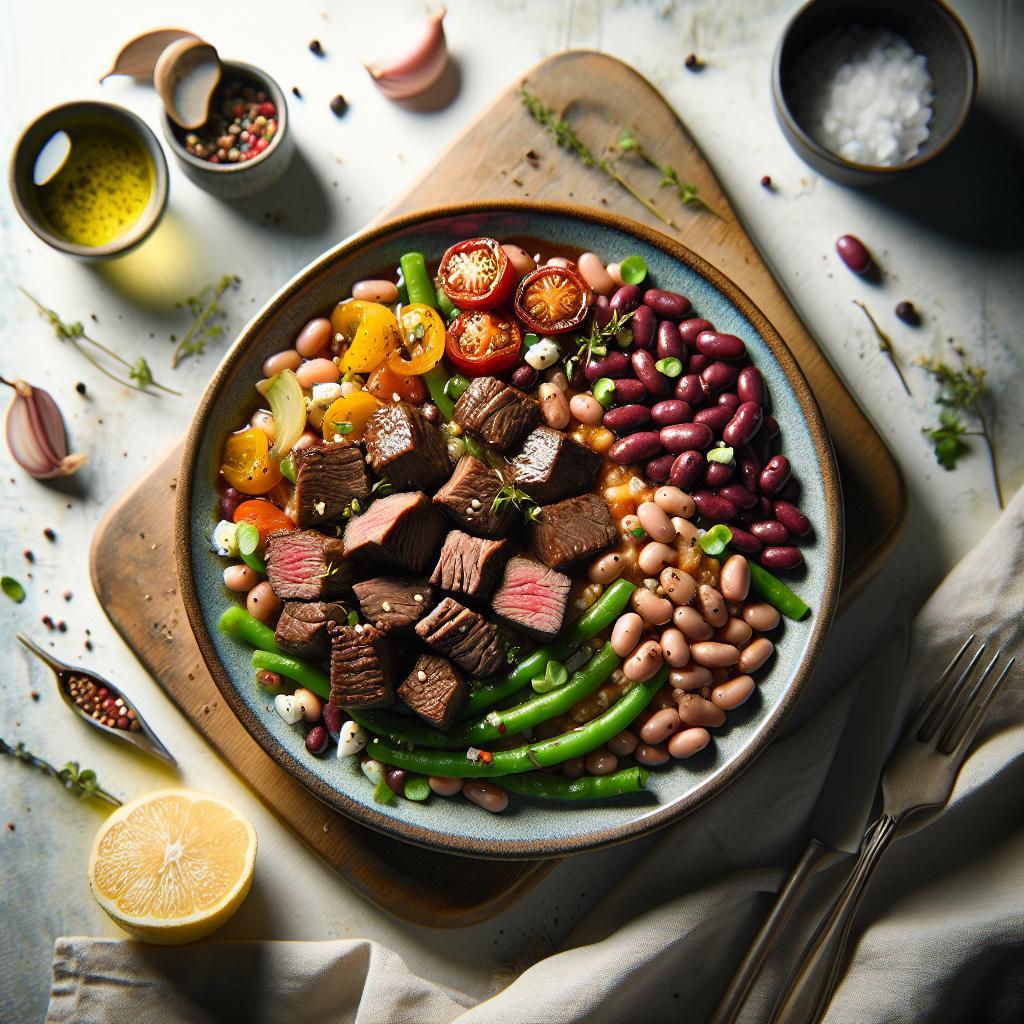

Beef beans combine rich animal protein with plant-based fiber to create versatile, nutrient-dense meals that suit weeknight cooking and meal prep alike.
- High-value protein: Beef beans deliver a complementary amino acid profile and sustained satiety.
- Micronutrient lift: The pairing supplies bioavailable iron, vitamin B12, and fiber in one bowl.
- Fast prep, big yield: Use ground beef and canned or pre-cooked beans for efficient service and reliable leftovers.
- Flexible flavors: Swap beans, spices, or grains to shift cuisines without extra technique.
Beef Beans as a Powerhouse of Protein and Essential Nutrients
Combining beef beans yields a meal that balances animal-derived micronutrients with legume fiber and resistant starch. Many cooks rely on this pairing to stretch protein, improve texture, and increase meal satisfaction.
Beef supplies heme iron and vitamin B12 that support red blood cell formation and cellular metabolism. For background on the meat component, see beef.
Nutrition Science Behind Beef Beans
When you pair beef with legumes, you combine a complete animal protein with plant-based carbohydrates and fiber, which moderates glucose response. This synergy supports satiety and can help balance plate macros for many adult diets.
Beans contribute resistant starch and soluble fiber that feed colonic bacteria and slow carbohydrate absorption. To review legume biology, consult legume.
Recipe Details: Practical Beef Beans Cooking
This recipe emphasizes speed and consistency: short prep, pantry-friendly spices, and scalable yields for 4–6 servings. Use canned beans for weeknight speed or soaked dried beans for texture control.
Key technique: brown the beef well to develop Maillard flavor, then simmer briefly so beans keep their shape. For guidance on dietary protein, reference protein (nutrient).
Prep and Cook Time
Preparation: 15 minutes. Pre-chop aromatics and drain canned beans to speed assembly. This step reduces active time while keeping flavors bright.
Cooking: 45 minutes. Browning and a short simmer meld the components without turning beans mushy. Adjust simmer time based on bean type and desired texture.
Yield and Storage
Serves 6 hearty portions. Portion into individual meal containers for easy reheating and balanced lunches.
Refrigerate leftovers up to three days; freeze portions for two to three months. Reheat to 165°F (74°C) for safe service.
Ingredients
Gather ingredients to streamline cooking. Measure spices into a small dish for quick seasoning while the beef browns.
- 1 lb (450g) lean ground beef
- 2 cups cooked or canned black beans, drained and rinsed
- 1 medium yellow onion, finely chopped
- 3 cloves garlic, minced
- 1 red bell pepper, diced
- 1 cup low-sodium beef broth
- 1 can (14 oz) diced tomatoes, with juices
- 2 tsp smoked paprika
- 1 tsp ground cumin
- ½ tsp chili powder
- Salt and freshly ground black pepper, to taste
- 2 tbsp olive oil
- Fresh cilantro or parsley, chopped (for garnish)
- Optional: 1 fresh jalapeño, minced
Step-by-Step Instructions
Begin by heating oil and softening aromatics to build a flavor base before adding meat. This sequence concentrates aromatics and prevents the meat from steaming.
- Heat the olive oil in a large skillet over medium-high heat. Add the onion and sauté until translucent, about 4–5 minutes.
- Add the garlic and red bell pepper, cooking for 2–3 minutes until fragrant and slightly softened.
- Introduce the ground beef to the skillet, break it apart, and cook until browned, about 7–8 minutes. Drain excess fat if desired.
- Season the beef with smoked paprika, cumin, chili powder, salt, and pepper. Stir to coat evenly.
- Pour in diced tomatoes and broth, bring to a simmer, then reduce heat and cook gently for 10 minutes to meld flavors.
- Fold in the drained beans and heat through for 4–5 minutes. Avoid excessive stirring to keep bean integrity.
- Taste and adjust salt and heat. Add minced jalapeño for a bright kick, if using.
- Remove from heat, rest for 5 minutes, and garnish with chopped cilantro or parsley before serving.
Techniques and Tips for Better Beef Beans
Brown in batches: Crowding the pan causes steaming; brown smaller portions for better crust development. This step intensifies savory notes and improves mouthfeel.
Control bean texture: Use firm canned beans or fully cooked dried beans for best results. If you cook dried beans, soak first and simmer until tender but still intact.
Season in stages to control salt and acidity across cooking. Add salt during sweating of aromatics and adjust again after simmering for balanced taste.
For iron-sensitive individuals, choose lower-iron protein alternatives or reduce portion sizes of beef beans. Monitor sodium by using low-sodium canned products and rinsing beans well.
Serving Suggestions and Nutrition for Beef Beans
Serve beef beans over brown rice, quinoa, or a bed of leafy greens to round out macronutrients and add texture. Add avocado or a dollop of yogurt for healthy fats and creamy contrast.
Per serving, this dish typically supplies a substantial protein portion, plant fiber, and moderate calories suitable for active adults. For iron context, see iron (nutrient).
Nutrition per serving (approx.):
| Nutrient | Per Serving |
|---|---|
| Calories | 350 kcal |
| Protein | 32 g |
| Carbohydrates | 20 g |
| Fat | 15 g |
Beans contribute resistant starch and soluble fiber that slow glucose uptake, while beef offers heme iron and vitamin B12. These elements support satiety and supply nutrients commonly targeted in adult feeding plans.
Practical Notes and Sources
This guide relies on established nutrient concepts: the bioavailability of heme iron from beef and the gut benefits of legume fiber. The approach aims for realistic, serviceable recipes that scale for home cooks and small kitchens.
For culinary context and recipe inspiration, consult entries on traditional pairings such as chili con carne. For broader reading on protein, see the linked Wikipedia entry above.
To increase site usefulness and internal cross-traffic, see our related posts on a chili recipe and a practical meal prep guide. These pages show variations and batch strategies that apply directly to beef beans.
Q&A
Q1: What makes beef beans a strong combination?
A1: They combine complementary proteins and textures. The animal protein from beef pairs with the fiber-rich profile of beans to yield a filling, nutrient-dense meal.
Q2: How do beans affect digestion when eaten with meat?
A2: Beans add soluble and insoluble fiber that support bowel regularity and slow carbohydrate absorption. Soaking and proper cooking reduce fermentable oligosaccharides for easier digestion.
Q3: Which bean varieties pair best with beef?
A3: Kidney, black, pinto, and cannellini provide firm texture and neutral flavor that complement beef. Rotate types to adjust color, texture, and mouthfeel without changing technique.
Q4: Can this dish be made on a tight weeknight schedule?
A4: Yes. Use ground beef and canned beans, and prepare aromatics while the beef browns. The recipe works well for efficient batch cooking and predictable reheating.
Wrapping Up
The beef beans pairing gives you a practical, nutrient-forward base that suits multiple cuisines and service styles. With simple tweaks to bean type, spice mix, or grain, you can refit the recipe for different menus and dietary goals.
Use the timing and storage guidance to scale portions, manage leftovers safely, and preserve bean texture. These small controls deliver consistent, flavorful results week after week.
FAQ
How long do leftovers keep?
Refrigerate up to 3 days; freeze for 2–3 months in airtight containers. Reheat thoroughly to 165°F (74°C) for safety.
Can I swap ground beef for lean steak?
Yes. Cut steak into small cubes and brown in a hot pan. Adjust simmer time to keep steak tender and avoid overcooking.
Are canned beans nutritionally comparable to dried?
Canned beans match dried beans closely for macronutrients but may contain added sodium. Rinse canned beans to reduce sodium content and control salt.
What are quick vegetarian swaps?
Replace beef with textured vegetable protein, crumbled tempeh, or extra mushrooms and add an umami source such as miso or tomato paste. These swaps retain texture and increase plant-forward protein.
Where can I learn more about beef nutrition?
Trusted summaries appear in nutrition references and specialized texts; use the beef and protein resources linked above for baseline facts. For deeper iron context, review the iron nutrient entry linked earlier.
See also: Beef Beans
See also: beef beans