
Beef Bowl Delights captures the simple power of warm rice topped with tender, umami-forward beef. This piece explains origins, technique, and toppings so you can make consistently great bowls at home.
- Quick mastery: thin slices and a short marinade deliver fast, tender results.
- Flavor layers: balancing soy, mirin, and aromatics creates a glossy glaze.
- Customize freely: eggs, mushrooms, and spicy condiments shift texture and depth.
Origins and Cultural Context
The beef bowl draws direct lineage from Japanese rice-bowl traditions, commonly grouped under donburi. Donburi refers to a bowl of rice topped with various proteins and sauces, and the beef variant highlights savory-sweet seasoning.
Over time, regional cooks adapted the basic template using local ingredients and taste preferences. Thus, you will find variations that emphasize sweetness, heat, or earthy mushroom notes depending on origin.
Prep and Cook Time
Preparation: 15 minutes. Keep mise en place ready so thin beef cooks uniformly.
Cooking: 20 minutes. Quick searing and a brief simmer lock in flavor without overcooking the meat.
- Total Time: 35 minutes
- Yield: Serves 4 hearty portions
- Difficulty: Easy to Medium — well suited to home cooks who want reliable results
Key Ingredients That Elevate Every Beef Bowl Experience
Choose thinly sliced, well-marbled beef such as ribeye or sirloin to combine tenderness with flavor. Thin cuts cook quickly and absorb the marinade efficiently, giving every bite consistent taste.
Use Japanese short-grain rice for its sticky, glossy texture; it forms a stable base that carries sauce without becoming mushy. For seasoning, combine soy, mirin, and a touch of sugar to form the classic umami-sweet backbone.
- 400g thinly sliced beef ribeye — marbled for tenderness
- 2 cups Japanese short-grain rice — ideal for donburi texture
- 1 medium yellow onion — thinly sliced
- 3 tbsp low-sodium soy sauce — core umami element; see soy sauce
- 2 tbsp mirin — gloss and gentle sweetness; see mirin
- 1 tbsp sake (optional) — adds depth; see sake
- 1 tbsp sugar — balances the savory elements
- 1 tsp freshly grated ginger and 2 cloves garlic — aromatic lift
- Garnishes: green onion, toasted sesame, pickled ginger or togarashi
Techniques and Tips for Crafting the Perfect Tender Beef
Prepare the rice: rinse Japanese short-grain rice until the water runs clear to remove surface starch. Cook in a rice cooker or simmer with a 1:1.2 rice-to-water ratio for consistent texture.
Marinate the beef: mix soy, mirin, sugar, grated ginger, and minced garlic. Toss beef slices for 5–10 minutes; short contact time penetrates flavor without tightening muscle fibers.
Sauté the onions: sweat onions slowly over medium heat until translucent and lightly caramelized. The mild sweetness from caramelized onions complements the glaze and softens the bowl’s flavor profile.
Cook the beef: raise heat to medium-high and add beef in a single layer if possible. Stir briefly; cook only until color changes to preserve tenderness and prevent a chewy mouthfeel.
Simmer and glaze: pour reserved marinade into the pan and reduce briefly until it coats the meat. This concentrates flavor and gives the beef a shiny, savory finish that clings to rice.
Top Recommendations for Flavorful Beef Bowl Variations and Toppings
Mushrooms: shiitake or enoki add an earthy dimension and pair naturally with soy-based sauces. Add mushrooms to the pan with onions so they finish together and share flavors.
Egg: a soft-poached or sunny-side-up egg introduces a rich, silky element when the yolk breaks into hot rice. This technique brightens mouthfeel and lengthens perceived richness.
- Vegetables: steamed baby spinach or blanched bok choy adds freshness and color contrast.
- Spices: a dash of shichimi togarashi provides citrusy heat and aromatic complexity.
- Crunch: toasted nori strips or crushed peanuts create a pleasing texture counterpoint.
Chef’s Notes: Tips for Success
Freeze meat briefly (15–30 minutes) to improve slicing control for wafer-thin strips. This small step reduces fiber tugging and helps slices absorb marinade faster.
Adjust marinade ratios to taste: less sugar for savory focus, more mirin for sweetness, or a squeeze of citrus to lift heavy flavors. Small adjustments change the bowl’s character significantly.
Make-ahead strategy: prepare the beef-onion mixture and refrigerate. Reheat gently with a splash of stock or water to preserve juiciness and prevent drying.
Serving Suggestions
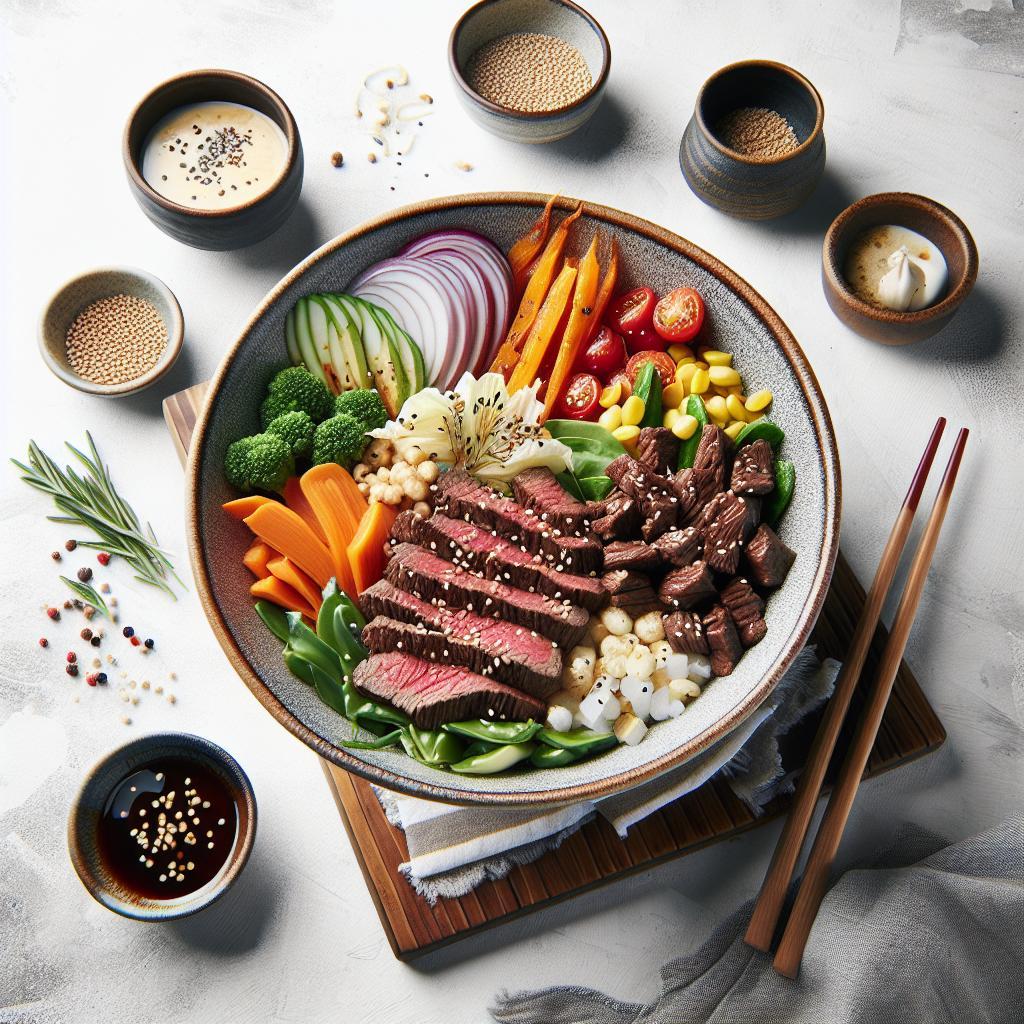
Serve beef bowls in shallow lacquer or ceramic bowls to highlight the layered presentation. Spoon rice first, then arrange beef and onions to create a glossy, inviting top.
Balance the meal with a light side like edamame or a crisp cucumber salad. For complementary flavors, offer a small bowl of miso or a green tea. See related recipes such as Chicken Teriyaki Bowl and Miso Soup Recipe for full-menu ideas.
Visual Presentation and Plating
Garnish with chopped green onion and toasted sesame to add color and texture. A small mound of pickled ginger on the side refreshes the palate between bites.
Use contrasting elements: a glossy brown glaze over pale rice, bright greens for freshness, and a soft yolk for visual richness. These choices guide diners’ expectations before the first taste.

Nutritional Snapshot
The nutrition below reflects a typical serving with white rice and a moderate oil amount. Adjust portions and rice type to change calorie and carbohydrate totals.
| Nutrient | Per Serving |
|---|---|
| Calories | 480 kcal |
| Protein | 32 g |
| Carbohydrates | 52 g |
| Fat | 14 g |
Q&A
Q&A: Beef Bowl Delights: A Savory Journey into Comfort Food
Q1: What exactly is a beef bowl, and why has it become such a beloved comfort food?
A1: A beef bowl features thinly sliced beef over steaming rice with savory sauce and often a soft egg. The combination delivers warmth, umami, and simple satisfaction, which explains its broad appeal.
Q2: What cuts of beef work best for making a delicious beef bowl?
A2: Choose ribeye, sirloin, or top round for a balance of flavor and tenderness. These cuts slice thinly and cook quickly, helping them hold juiciness within a short sear.
Q3: How do marinades and sauces contribute to the distinct taste of a beef bowl?
A3: Soy, mirin, and aromatics create a savory-sweet glaze that surface-coats beef and rice. A quick reduction intensifies flavor without adding heaviness.
Q4: Are there traditional toppings or accompaniments that make a beef bowl extra special?
A4: Classic additions include green onions, sesame seeds, pickled ginger, and soft-cooked eggs. These toppings layer texture, color, and contrasting flavors for balance.
Q5: Can beef bowls be adapted for different dietary preferences?
A5: Yes. Swap rice for brown or cauliflower rice, reduce beef portions, or boost vegetables to alter calories and macros while maintaining core flavors.
Closing Remarks
Beef bowls deliver efficient comfort through layered umami and straightforward technique. By focusing on thin slicing, controlled cooking, and a balanced sauce, you can recreate restaurant-quality bowls at home.
Experiment with toppings and side dishes to build menus that suit your taste and occasion. When you aim for texture contrast and clean seasoning, each bowl becomes a personal comfort classic.
Explore more hearty comfort food recipes and related bowls via the internal recipe index to expand your weeknight rotation.
See also: Beef Bowl
- Origins and Cultural Context
- Prep and Cook Time
- Key Ingredients That Elevate Every Beef Bowl Experience
- Techniques and Tips for Crafting the Perfect Tender Beef
- Top Recommendations for Flavorful Beef Bowl Variations and Toppings
- Chef’s Notes: Tips for Success
- Serving Suggestions
- Visual Presentation and Plating
- Nutritional Snapshot
- Q&A
- Closing Remarks