
Beef Herb is a focused seasoning concept designed to elevate the savory profile of red meat and hearty proteins. It blends classic kitchen herbs with targeted aromatics to create a robust, layered flavor that performs well in marinades, rubs, and compound butters.
- Unveiling the Unique Aromatics of Beef Herb for Culinary Excellence
- Recipe: Beef Herb Marinade (Prep & Timing)
- Tips for Success: Harnessing the Flavor Power of Beef Herb
- Pairing Beef Herb with Complementary Spices
- Growing and Storing Fresh Beef Herb at Home
- Serving Suggestions
- Nutritional Snapshot
- Serving Inspiration and Menu Ideas
- FAQ
- Concentrated umami-enhancing blend that complements beef and lamb.
- Versatile application: dry rubs, wet marinades, and finishing herb butter.
- Easy to grow and preserve for year-round use.
- Balances acidity and smoke when paired with citrus zest and smoked paprika.
Unveiling the Unique Aromatics of Beef Herb for Culinary Excellence
Beef Herb focuses on flavor compounds that harmonize with the natural fats and proteins in beef. The blend emphasizes green, resinous notes alongside mild bitterness and gentle citrus lift to cut richness on the palate.
For context, the term herb covers many culinary plants; exploring their volatile oils helps explain why specific combinations taste balanced. See herbs on Wikipedia for botanical background and oil profiles.
Recipe: Beef Herb Marinade (Prep & Timing)
This practical marinade is optimized for flank steak but adapts to other cuts. It balances oil, acid, and herb oil-soluble compounds to drive flavor into the meat without over-tenderizing.
Prep time totals about 15 minutes, with recommended marinating of 1–4 hours. Marinating beyond 6 hours risks textural changes from acids in the mixture.
Prep and Cook Time
- Preparation: 15 minutes
- Marinating: 1 to 4 hours (recommended)
- Cooking: 20 to 30 minutes depending on cut and method
Yield & Difficulty
Serves: 4 hearty portions when using 2 pounds of beef.
Difficulty: Medium. The technique rewards attention to timing and heat control.
Ingredients
- 2 tablespoons freshly chopped beef herb (mixture of rosemary, thyme, parsley)
- 1/4 cup extra virgin olive oil
- 3 cloves garlic, minced
- 1 teaspoon smoked paprika
- 1 teaspoon ground black pepper
- 1 teaspoon sea salt
- 1 teaspoon dried thyme — use dried for shelf stability
- 1 tablespoon lemon zest
- 1 tablespoon balsamic vinegar (optional)
- 2 pounds beef flank steak or preferred cut
Instructions
- Prepare the marinade: Whisk olive oil, minced garlic, smoked paprika, black pepper, sea salt, dried thyme, lemon zest, and balsamic vinegar until emulsified.
- Add beef herb: Fold in the freshly chopped herb blend to evenly distribute aromatic oils through the mixture.
- Marinate the beef: Place the steak in a resealable bag or shallow dish and pour the marinade over it. Massage gently, then refrigerate for 1–4 hours.
- Preheat grill or skillet: Bring surface to medium-high heat to create a seared crust that retains juices.
- Cook the beef: Remove steak from marinade, let excess drip, and sear 5–7 minutes per side depending on thickness and desired doneness.
- Rest the meat: Tent loosely with foil for 10 minutes to redistribute juices before slicing.
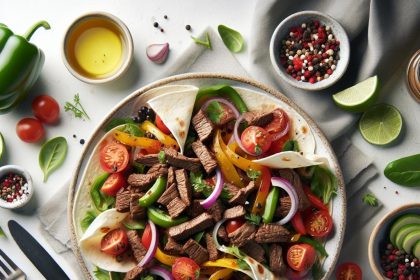
- Slice and serve: Cut thinly against the grain to maximize tenderness and present herb-infused layers.
Tips for Success: Harnessing the Flavor Power of Beef Herb
Use fresh herb leaves for the brightest aroma; the volatile oils in fresh leaves deliver more immediate impact than dried forms. However, dried herbs concentrate differently and work well in dry rubs.
Combine the herb blend with complementary spices to create balance: smoked elements and mild citrus lift play well together. For herb chemistry and culinary usage, refer to rosemary and thyme profiles.
When substituting cuts, adjust marinating and cooking times. Tougher cuts benefit from longer low-and-slow methods with the herb blend added late to preserve fresh notes.
Pairing Beef Herb with Complementary Spices
Beef Herb pairs best when spices complement without overwhelming the primary savory notes. Smoked paprika adds warmth, while garlic amplifies green, savory character.
To add acidic balance, a small amount of citrus zest or a dash of vinegar brightens the palate. For technique context, the role of marinades is summarized on marinade.
Growing and Storing Fresh Beef Herb at Home
Plant herb components in well-drained soil with full sun. Harvesting early in the morning captures peak oil concentration in the leaves, which improves flavor intensity.
Store stems upright in a glass of water like cut flowers, or wrap leaves in damp paper towel inside a breathable bag to extend fridge life. For long-term use, freeze leaves flat or blend with oil into a paste.
Freezing preserves aromatic compounds differently than drying; frozen herb pastes retain more volatile oils for immediate use in marinades. Experiment to see which preservation method suits your cooking rhythm.
Serving Suggestions
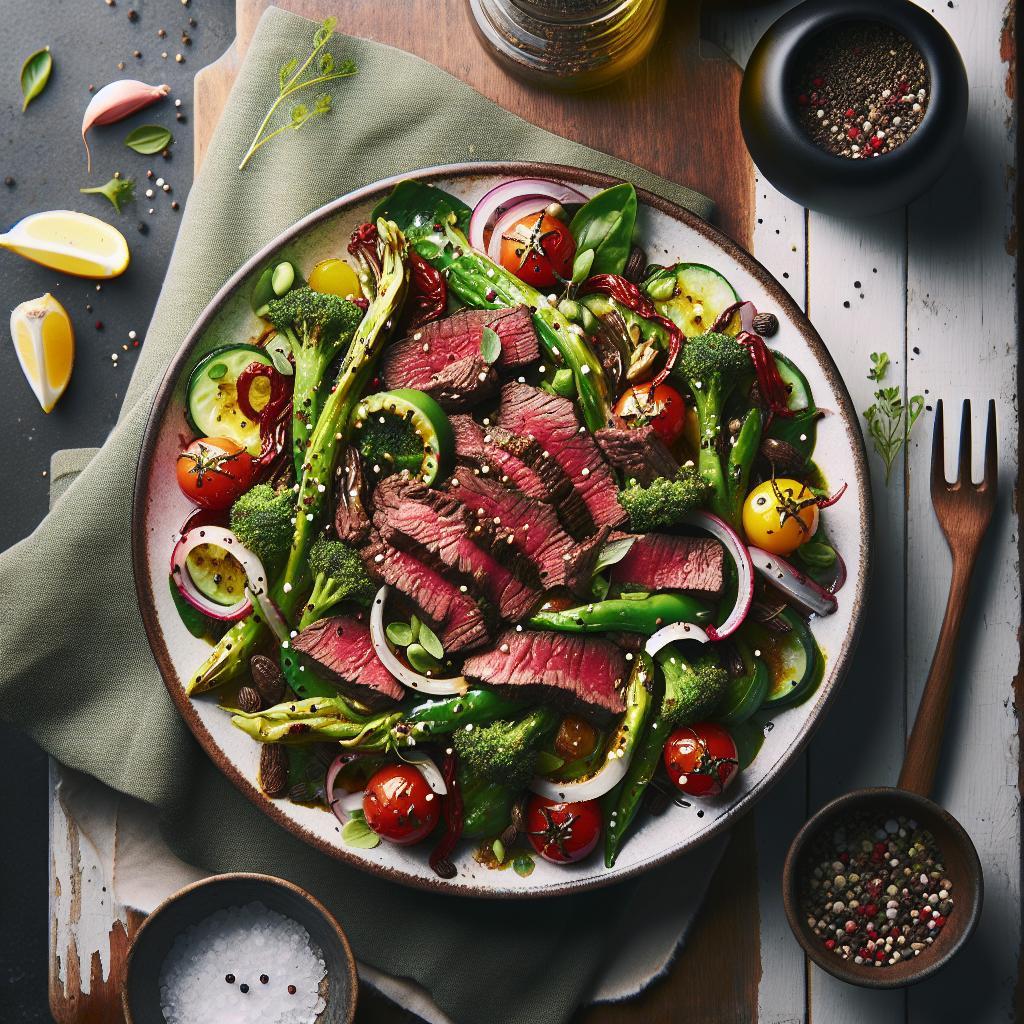
Pair herb-enhanced beef with roasted root vegetables tossed in the same herb mixture for continuity of flavor. A crisp green salad with lemon vinaigrette provides a bright counterpoint to the roast’s richness.
Finish plates with a few fresh sprigs of the herb to provide visual contrast and a fresh aromatic note that invites immediate tasting.
Nutritional Snapshot
The nutritional values below represent a plated portion with the listed ingredients and a 2-pound protein base. Adjust per cut and fat content for accurate meal planning.
| Nutrient | Per Serving |
|---|---|
| Calories | 350 kcal |
| Protein | 42 g |
| Carbohydrates | 2 g |
| Fat | 18 g |
Serving Inspiration and Menu Ideas
Use the herb blend across multiple dishes: herb butter for steaks, a dry rub for roasts, or a finishing sprinkle on sautéed mushrooms. Each application emphasizes a different aspect of the herb’s profile.
For broader context on the protein component and how fat interacts with flavors, consult beef guidance which explains common cuts and recommended cooking approaches.

FAQ
What exactly is Beef Herb?
Beef Herb refers to a targeted seasoning mix designed to complement red meats. It typically includes rosemary, thyme, parsley, garlic elements, and supporting spices to push savory and aromatic notes.
The goal is to create a blend that harmonizes fat and protein, enhancing perceived juiciness and umami without masking the meat’s natural character.
Why use Beef Herb instead of salt and pepper?
Salt and pepper provide foundational seasoning, while Beef Herb adds layered complexity through volatile oils and complementary bitter, aromatic, and citrus notes. This makes each bite more interesting.
Use both: salt for fundamental seasoning and the herb blend for depth and aromatic lift.
Can Beef Herb be used beyond beef?
Yes. The blend transfers well to lamb, pork, chicken, roasted vegetables, and mushroom dishes. Each protein will highlight different facets of the herb mix.
Adjust quantity and timing to suit the protein’s texture and fat percentage for best results.
How should I store a homemade Beef Herb mix?
Store dried blends in an airtight container away from light and heat to preserve potency. Fresh blends keep best refrigerated for up to one week or frozen as a paste for longer storage.
Label jars with date and approximate burnishing notes so you know when potency declines and need a fresh batch.
How do I create my own Beef Herb at home?
Combine dried rosemary, thyme, parsley, garlic powder, onion powder, and cracked black pepper to start. Tweak proportions to favor rosemary for piney weight or parsley for brighter green notes.
Test small batches on a seared strip of meat to refine the balance before scaling up for jars or gifts.
See also: Beef Herb