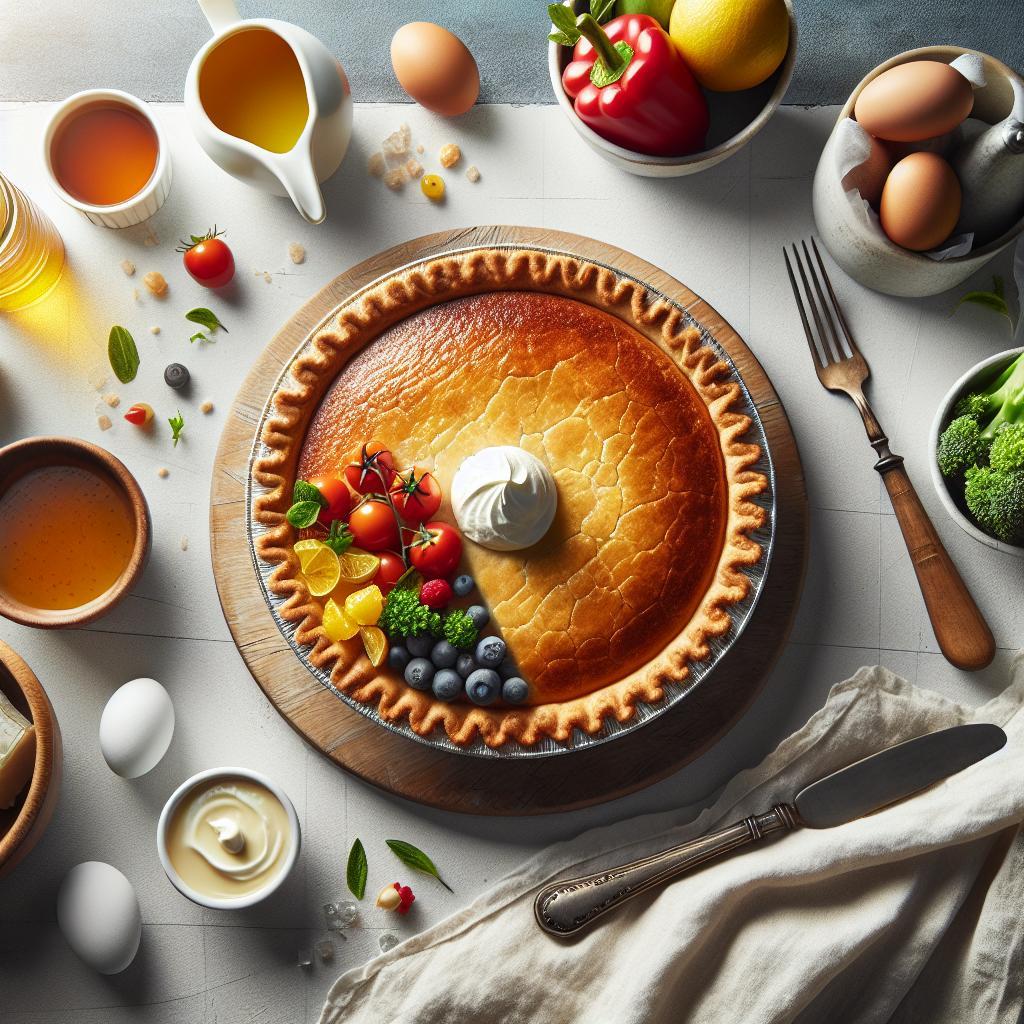

Nestled in Southern kitchens, buttermilk pie pairs a flaky crust with a silky, tang-forward custard. This dessert showcases simple ingredients that amplify texture and flavor when handled with care.
- Buttermilk Pie Origins and Southern Heritage
- Key Ingredients and Why They Matter
- Step-by-Step Instructions
- Tips for Mastering the Perfect Buttermilk Filling
- Serving, Storage, and Variations
- Nutrition, Pairings, and Practical Notes
- Related Resources and Internal Links
- Technical Notes: Custard Science and Baking Mechanics
- FAQ
- Classic profile: tangy buttermilk, vanilla, and a custard set.
- Technique wins: blind-bake crust and watch for a slight jiggle.
- Make-ahead friendly: flavors deepen after chilling overnight.
- Versatile: easy variations keep the core texture intact.
Buttermilk Pie Origins and Southern Heritage
Buttermilk pie developed where home cooks worked with leftover ingredients and simple pantry staples. It evolved into a regional favorite across the Southern United States cuisine because it delivers a bright contrast to heavy, savory meals.
The recipe links to a broader lineage of pies and custards, reflecting practical baking techniques passed down in households. Referencing the history helps explain why the pie remains common at gatherings and celebrations.
Key Ingredients and Why They Matter
Every ingredient in buttermilk pie plays a specific role: eggs set the custard, flour or a touch of cornmeal stabilizes the filling, and buttermilk provides acidity and tang. Understanding these functions prevents texture problems and improves reliability.
Use quality butter for mouthfeel and real vanilla for aromatic depth. The combination produces a custard that is both creamy and slightly tart, a balance central to the pie’s identity.
Ingredient Functions and Substitutions
Eggs coagulate as the pie bakes, creating structure; too much heat causes toughness or curdling. A modest amount of flour or cornmeal absorbs moisture and reduces weeping while keeping the filling tender.
If you need dairy-free options, choose a stable plant-based butter and pair it with cultured non-dairy milk that mimics acidity. Keep adjustments minimal to preserve the custard’s delicate set.
Step-by-Step Instructions
Start by blind-baking the 9-inch crust to reduce sogginess and ensure a crisp edge. Preheat the oven, line the crust with parchment and weights, and bake until lightly golden.
Combine sugar, flour, and salt, then whisk in beaten eggs, buttermilk, melted butter, and vanilla. Pour the mixture into the prepared crust and bake until the center shows a controlled wobble.
Baking Times, Temperatures, and Visual Cues
Bake at 350°F (175°C) for about 40–45 minutes. The goal is a set edge and a barely trembling center; residual heat will finish the set as the pie cools.
Use a thermometer if uncertain: an internal filling temperature around 175°F to 180°F indicates done without overcooking. Cover the crust edge with foil if it browns too quickly.
Always allow the pie to cool on a rack for at least two hours. Cooling time stabilizes the custard and yields cleaner slices when serving.
Tips for Mastering the Perfect Buttermilk Filling
Keep ingredients at room temperature for even mixing; cold eggs or butter can curdle the batter and produce an uneven bake. When you whisk, use steady, moderate strokes to hydrate the sugar and distribute ingredients.
Blind-bake the crust for 8–12 minutes to create a barrier against a soggy bottom. If you use a glass or dark metal pie pan, reduce bake time slightly and monitor color closely.
Serving, Storage, and Variations
Serve slices chilled or at room temperature with a dusting of powdered sugar, a light whipped cream, or fresh berries for brightness. A small spoonful of lemon zest can lift the pie without altering its texture.
Store the pie covered in the refrigerator for up to 4 days. For best presentation, slice with a warm knife dipped in hot water and wiped dry between cuts.
Creative Variations
Introduce subtle flavors: a pinch of nutmeg, a teaspoon of lemon zest, or a thin layer of raspberry jam between crust and filling. Each tweak changes the aroma without compromising the custard set.
For a gluten-free variant, use a shortcrust made from almond flour and a stabilizer like tapioca starch. Maintain the same blind-baking routine to prevent moisture issues.
Nutrition, Pairings, and Practical Notes
Buttermilk pie is calorie-dense due to butter and sugar but offers protein from eggs and calcium from dairy. Portion control and pairing with simple accompaniments balance the plate.
Classic pairings include strong black coffee or unsweetened tea to cut richness. Fruit-based sides or a scoop of vanilla ice cream complement the tart custard without overpowering it.
Related Resources and Internal Links
Explore additional recipes and regional desserts in our collection to expand your repertoire. Our guides show how technique adapts across similar custard-based pies.
See more Southern desserts here: Classic Southern Desserts. For a dedicated recipe and printable card, visit Buttermilk Pie Recipe on our site for ingredient scaling and baking charts.
Technical Notes: Custard Science and Baking Mechanics
Custard sets when egg proteins coagulate as temperature rises; controlling heat prevents over-contraction and weeping. This explains why slow, moderate baking produces smoother texture than high, fast heat.
Understanding the chemistry helps troubleshoot issues: a runny center means underbake; curdled texture signals excessive heat or uneven mixing. Refer to the foundational concept of custard chemistry for deeper reading.
Buttermilk’s lactic acid reacts subtly with protein and starch to alter mouthfeel and flavor. Learn more about the ingredient itself at buttermilk, which explains its historic availability and culinary role.
FAQ
What is buttermilk pie and why is it popular?
Buttermilk pie is a simple custard pie flavored with cultured buttermilk and vanilla. Its popularity stems from easy ingredients, forgiving technique, and a bright flavor that contrasts rich meals.
How do I prevent a soggy bottom crust?
Blind-bake the crust and use weights or beans to hold shape. A brief initial bake forms a barrier layer that helps separate the wet filling from the raw pastry.
Can I substitute regular milk for buttermilk?
Regular milk lacks acidity, so mimic buttermilk by adding 1 tablespoon of lemon juice or vinegar per cup of milk and letting it sit for five minutes. This quick acidification improves texture and flavor.
Why does my pie crack or become grainy?
Cracks and graininess usually mean overcooking. Reduce oven time or temperature, and remove the pie when the center still wobbles slightly. Residual heat will finish the set without toughening the custard.
How long can I store buttermilk pie?
Refrigerate covered for up to four days. For best texture and flavor, consume within two days or chill overnight to let flavors harmonize before serving.
For background on pies as a category, see pie (food). Those resources give context to technique and regional variations across recipes.

See also: Buttermilk Pie