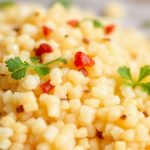


There is a unique comfort in a steaming bowl of grits that are buttery, silky, and streaked with melted cheese. This recipe-driven guide explains practical techniques you can use to produce reliably creamy, cheesy grits at home.
- Key textures: aim for glossy, spoon-coating grits rather than dry or pasty clumps.
- Fat balance: combine butter and dairy for richness without greasiness.
- Timing: slow simmer and frequent stirring release starches that build creaminess.
- Finish: fold cheese off the heat to preserve silky melt.
Buttery Bliss: Crafting Velvety Grits with Expert Techniques
To reach that signature velvety texture you must control three variables: grain choice, liquid ratio, and heat. Each variable influences gelatinization and the rate at which starches thicken the pot.
Choose stone-ground grits and plan for longer cooking time so the kernels soften without breaking into glue. For background on the ingredient itself, see grits to understand traditional processing and texture differences.
Prep and Cook Time
Prep: 10 minutes. Measure ingredients and grate cheese just before cooking to ensure smooth melting.
Cook: 25–30 minutes active simmering; plan to stir frequently to avoid sticking. A long, gentle simmer integrates starches and yields a creamy mouthfeel.
Yield
Serves 4 generous portions. This quantity scales linearly; double liquids and grits and use a larger pot for even cooking.
Leftovers reheat well with added warm milk or stock to restore creaminess. Reheating slowly and stirring in a splash of dairy preserves texture.
Difficulty Level
Medium. The technique requires attention and steady stirring, but no specialized equipment. The payoff is a reliably smooth finish every time.
Focus on temperature control and the order of additions for predictable results. Controlled steps reduce the chance of grainy or gluey outcomes.
Ingredients and Why They Matter
Ingredient quality determines both flavor and emulsion. For authentic texture, use coarse stone-ground grits and freshly grated cheese.
Use low-sodium stock or water plus milk for depth without excess salt. For ingredient background on corn products, consult cornmeal.
Ingredients
- 1 cup stone-ground yellow grits
- 4 cups water or low-sodium chicken broth
- 1 cup whole milk or half-and-half
- 3 tbsp unsalted butter, divided
- 1 cup sharp white cheddar cheese, freshly grated
- 1/2 cup freshly grated Parmesan cheese
- 1 tsp kosher salt
- 1/2 tsp freshly ground black pepper
- 1 tsp chopped fresh thyme or chives
- 1 tsp garlic powder (optional)
Step-by-Step Instructions
Precise sequencing keeps the emulsion stable and cheese from seizing. Follow the timing and off-heat additions to deliver a satiny finish.
Keep a wooden spoon or heatproof spatula handy; metal whisks can damage the pot and encourage sticking with stone-ground grits. Use moderate, steady stirring rather than frantic whisking.
1. Boil the liquid base
Bring the water or stock to a rolling simmer and add the salt so it dissolves evenly. Starting with properly seasoned liquid makes the whole dish taste balanced.
Use a heavy-bottomed saucepan to distribute heat evenly and avoid hot spots. A wide pot increases surface area and speeds evaporation when you need to tighten texture.
2. Slowly whisk in the grits
Add grits in a slow, steady stream while whisking to avoid lumps and create a uniform slurry. Immediate whisking prevents clumps from forming at the bottom.
Once integrated, reduce heat to low so the mixture barely simmers. Rapid boiling will separate and dry the cereal rather than encouraging gradual hydration.
3. Simmer gently and stir
Cook for 25–30 minutes, stirring every 30–60 seconds to scrape the bottom and distribute starch. Frequent stirring releases the natural starches and produces a glossy body.
If your grits are extremely coarse, extend cooking time and add liquid as needed. Use warm liquid for adjustments to avoid temperature shocks that impair texture.
4. Add butter and milk
Stir in two tablespoons of butter and the milk or half-and-half toward the final 5 minutes of cooking. This integration creates a stable emulsion and richer mouthfeel without greasiness.
Reserve the final tablespoon of butter for finishing. That last addition rounds flavor and adds a satin sheen to the surface.
5. Melt in the cheese off heat
Remove the pot from heat and fold in the grated cheddar and Parmesan slowly. Residual heat melts cheese gently and prevents grainy, oily curds.
Use freshly grated cheese because pre-shredded cheeses contain anti-caking agents that impede smooth melting. For melting behavior reference cheddar characteristics.
6. Final seasoning and garnish
Taste and adjust salt and pepper, then fold in the remaining butter for gloss. Finish with a sprinkle of fresh herbs for aromatic lift.
Consider a small pinch of smoked paprika or a few chili flakes for subtle heat. Small finishing adjustments amplify the perceived sweetness of corn and the depth of the dish.
Tips for Success
Small technique choices deliver consistent, repeatable results in texture and flavor. Keep interventions minimal and intentional during the last five minutes to preserve the emulsion.
Choose stone-ground grits for authenticity, as the coarse grind maintains pleasant bite while becoming creamy over a long simmer. Stone-ground products carry natural oils that improve flavor and mouthfeel.
Grate cheese fresh and fold it in off the heat to achieve glossy melting. Avoid boiling after cheese addition to prevent separation of fats and proteins.
For dairy-free variations use a higher-fat plant milk and add a small amount of neutral oil for mouthfeel. Nutritional yeast and fermented nut cheeses can add umami and cheesy depth without dairy.
Equipment and Ingredient Substitutions
Use a heavy-bottomed saucepan and a sturdy wooden spoon for best results. A wide, shallow pot reduces cooking time and helps you monitor texture closely.
If you must use quick grits, reduce cooking time and expect a softer mouthfeel. Instant varieties lose structural complexity, so adjust expectations and seasoning accordingly.
Serving Suggestions
Cheesy grits pair well with savory vegetables, eggs, and roasted proteins. Use contrast in texture to make the dish sing—add crisped greens, roasted mushrooms, or a fried egg with a runny yolk.
Garnish with toasted nuts or seeds for crunch and a drizzle of chile oil for heat. Fresh herbs add brightness and make the plate visually inviting.
Nutrition Snapshot
The approximate nutrition per serving depends on dairy choices and portion size. For a typical preparation expect a balance of carbohydrate and moderate protein from cheese.
Adjust portions or ingredient ratios to fit dietary needs; reduce butter and use lower-fat milk for lighter profiles. For butter and dairy background see butter and milk references.
| Nutrient | Per Serving |
|---|---|
| Calories | 320 kcal |
| Protein | 12 g |
| Carbohydrates | 35 g |
| Fat | 15 g |
Q&A
The most common questions focus on grain choice, melting cheese, and reheating without losing creaminess. Clear techniques address each concern and reduce recipe anxiety.
Below are concise, actionable answers you can use at the stove while cooking. These items also work well as quick reference when adapting the recipe.
Q1: What makes grits creamy rather than grainy?
Slow hydration of starch and moderate stirring break down particles and form a cohesive matrix. Using sufficient liquid and time lets the grits absorb moisture fully and develop a smooth texture.
Q2: Which grits should I buy for the best texture?
Stone-ground grits offer the best balance of texture and flavor because they retain natural oils and structure. If time matters, quick grits work but sacrifice some mouthfeel.
Q3: How do I add cheese without making the dish greasy?
Fold grated cheese in off the heat so residual warmth melts it gently and preserves the emulsion. Freshly grated varieties melt into a silky matrix more reliably than pre-shredded cheese.
Q4: Can I make grits ahead and reheat them?
Yes, make ahead and reheat gently with a splash of warm milk or stock to restore creaminess. Stir in a small knob of butter at the end to refresh gloss and flavor.
Q5: What are good vegetarian toppings to elevate cheesy grits?
Sautéed mushrooms, roasted tomatoes, caramelized onions, and soft-poached eggs add texture and depth. Finish with herbs and a contrasting crunch like toasted pepitas for a composed dish.
Future Outlook: Mastery through Practice
Mastery comes from small adjustments and consistent technique rather than dramatic ingredient changes. Each pot teaches you more about how grain, liquid, and heat interact.
Track your tweaks—liquid ratios, cooking time, and cheese choices—to build a reliable formula you can reproduce. With a few successful pots, creamy, cheesy grits will become a dependable weeknight or weekend favorite.
FAQ (Schema-ready)
What type of grits are best for creamy texture?
Stone-ground grits offer the most authentic texture and flavor due to their coarser grind and retained oils.
How do I prevent gritty or gluey grits?
Cook low and slow, stir frequently, and adjust liquid gradually to avoid both undercooking and over-concentration of starch.
When should I add cheese to keep it silky?
Add cheese off heat after the main cooking to use residual warmth for smooth melting and to prevent separation.
Can I make cheesy grits dairy-free?
Yes. Use full-fat plant milks and vegan butter with nutritional yeast or a vegan cheese to retain richness and umami.
How do I reheat leftovers without drying them out?
Rewarm slowly over low heat and stir in warm milk or stock, finishing with a pat of butter to recover silkiness.
See also: Cheesy Grits