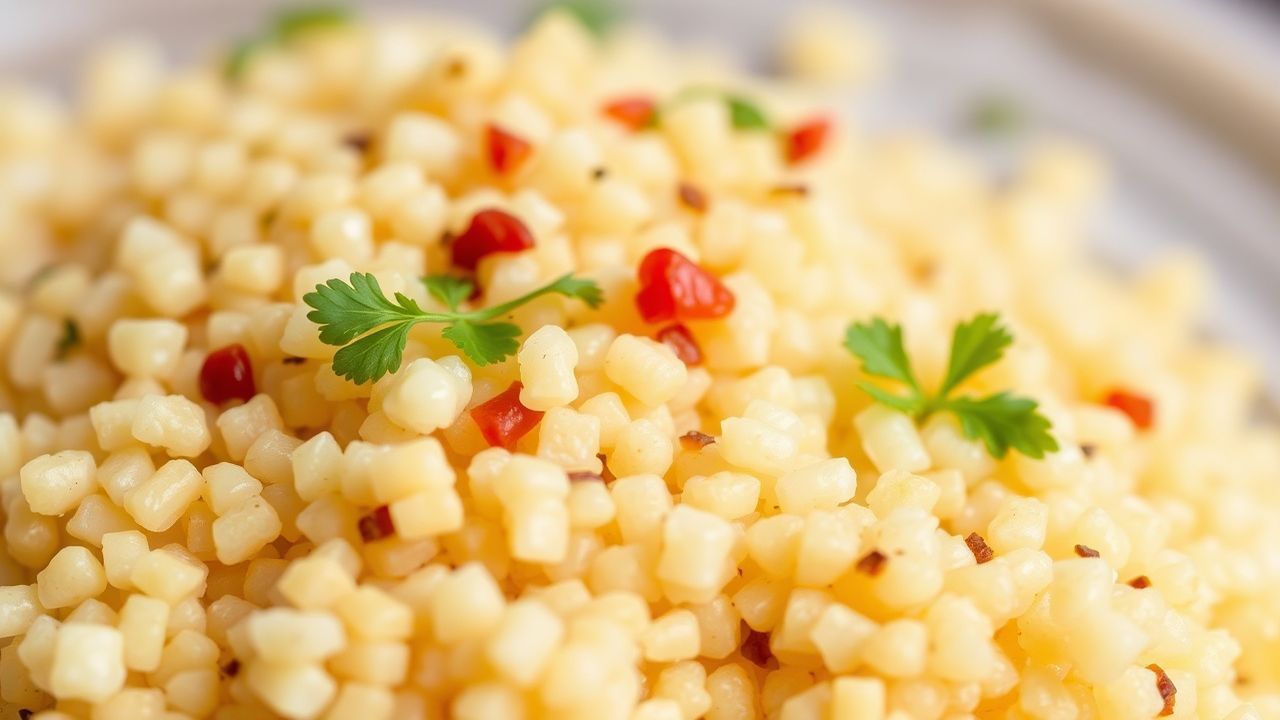

9 Essential Couscous Secrets for Perfect Texture
Couscous carries texture, history and technique in every tiny grain. This guide lays out stepped methods, ingredient choices and timing so you can make light, restaurant-quality couscous at home.
- Couscous Origins and Varieties: Cultural Context
- Why Couscous Texture Matters: Science and Technique
- Couscous Shopping Guide: What to Buy and Why
- Couscous Recipe: Authentic Steamed Method with Chef Notes
- Couscous Nutritional Profile: Per Serving Data
- Couscous Serving Ideas and Pairings
- Couscous Pros vs Cons: Practical Decision Guide
- Advanced Chef Techniques for Next-Level Couscous
- Practical Storage and Reheat Strategy for Couscous
- Internal Resources
- Advanced Troubleshooting: Common Couscous Problems
- FAQ
- Historic roots: North African techniques shape modern couscous practice and flavor.
- Texture mastery: Controlled hydration, staged steaming and gentle fluffing prevent clumps.
- Practical cooking: Choose the right granule, toast semolina, and finish with fat and acid for balanced bite.
Couscous Origins and Varieties: Cultural Context
The term couscous ties to Maghreb culinary traditions and communal cooking practices. For historical context consult couscous on Wikipedia which summarizes regional production and customs.
Berber communities developed hand-rolled semolina granules and a layered steaming system that created the classic light texture. The regional backdrop of the Maghreb explains how local ingredients and equipment influence finished couscous.
Why Couscous Texture Matters: Science and Technique
Texture determines the eating experience: separated grains give a pleasant mouthfeel while gummy clumps feel dense. You control texture through liquid ratio, heat application and resting periods.
Hydration opens the semolina surface and steam sets structure; aggressive heat or overworking after hydration creates paste-like clusters. Keep processes gentle and measured to preserve an airy, toothsome result.
Couscous Shopping Guide: What to Buy and Why
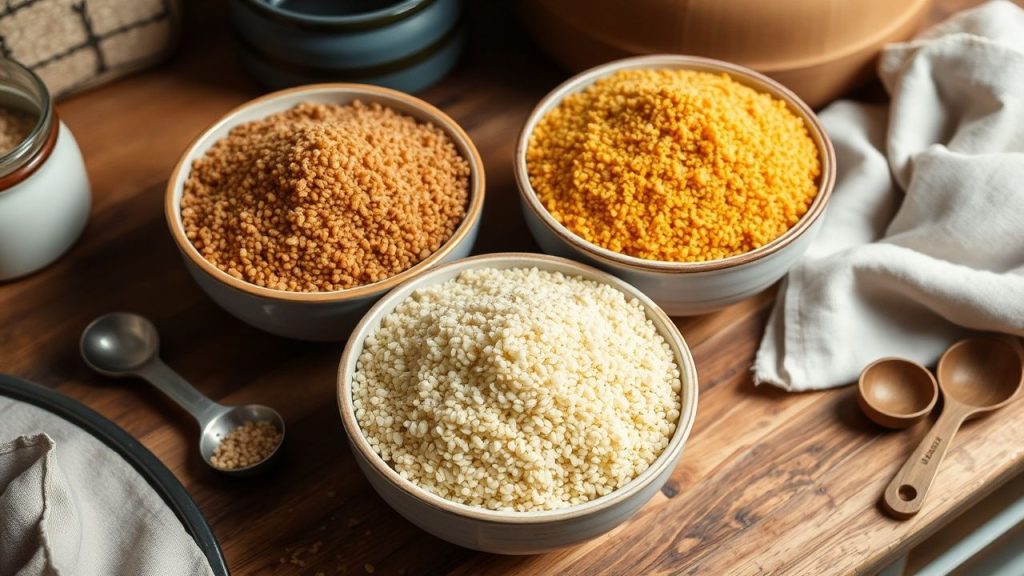
Choose granule size to match the dish. Moroccan couscous hydrates quickly; Israeli or “pearl” couscous needs more cooking and gives a chewier bite.
Check ingredients and prefer high-quality semolina for consistent hydration behavior; see semolina for technical detail on milling and granule composition. Whole-wheat options add fiber and a nuttier flavor that changes hydration slightly.
Couscous Recipe: Authentic Steamed Method with Chef Notes
Introduction
This steamed method respects tradition while adding precise timing to avoid common pitfalls. Use hot stock for depth, toast for aroma, then steam in short cycles for lift.
Work in small batches when learning the technique to monitor grain behavior. The two-stage steam plus a short rest produces reliably separated grains that pair with braises, vegetables or salads.
Ingredients (Metric and Imperial)
These quantities serve four and scale predictably. Keep measurements simple to replicate results every time.
- 300 g (10.5 oz) medium-grain semolina couscous
- 400 ml (1 2/3 cups) hot vegetable or chicken broth
- 30 ml (2 tbsp) extra-virgin olive oil
- 5 g (1 tsp) fine sea salt
- 15 g (1 tbsp) unsalted butter, optional
- 1 small lemon, zested and juiced
- 25 g (1/4 cup) chopped parsley
- Optional: 60 g (1/2 cup) toasted slivered almonds or pine nuts
Detailed Preparation Method
Step 1 — Toast: Heat a dry skillet over medium. Toast the semolina for 90–120 seconds to warm and release nutty aromatics, then transfer to a wide bowl to cool briefly.
Step 2 — Hydrate: Pour hot broth evenly over the semolina, add salt and a tablespoon of oil, then cover tightly and rest five minutes. This short rest lets grains absorb moisture uniformly without becoming pasty.
Step 3 — Fluff and steam: Break any initial clusters with a fork, then steam in a basket over simmering water in two short cycles (3–4 minutes each). Fluff between cycles to introduce air and stop compaction.
Step 4 — Finish and season: Off the heat, add butter and lemon, fold in parsley and nuts, rest two minutes, then final fluff and serve. The grain should look glossy and remain separated.
After the tip, let the couscous settle for a couple of minutes before final seasoning so oils and acid coat grains evenly. Small finishing choices — a knob of butter or a splash of olive oil — change mouthfeel and gloss.
Couscous Nutritional Profile: Per Serving Data
These estimates apply to four servings and vary with broth and add-ins. Per serving: roughly 280 kcal, 52 g carbohydrate, 7 g protein, 6 g fat and 3 g fiber.
Swapping whole-wheat couscous increases fiber and micronutrients and alters hydration slightly. Use that change to justify a longer rest or a touch more liquid to maintain texture.
Couscous Serving Ideas and Pairings
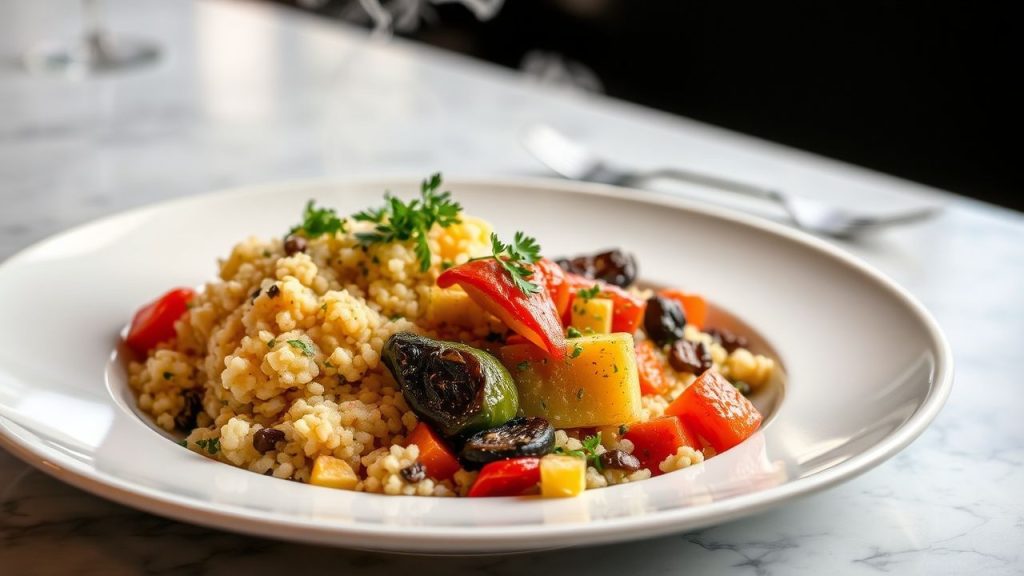
Couscous acts as a neutral, absorbent base for bold sauces, tagines and roasted vegetables. For classic pairings, consult the context of North African stews and preparations like tagine.
For salads, cool grains quickly on a tray then toss with vinaigrette to lock texture. For hot dishes, plate within ten minutes of finishing to preserve the intended mouthfeel.
Couscous Pros vs Cons: Practical Decision Guide
Pros: fast to prepare, adaptable to flavors, stores and portions well for catering. Couscous absorbs sauces and fits both chilled salads and warm entrees.
Cons: instant varieties need aggressive seasoning and finishing fat to avoid flat flavor. Standard semolina couscous contains gluten and is unsuitable for those who require strict gluten-free diets.
When you substitute, match hydration and texture goals; alternative grains behave differently and require adjustments. For substitution basics see quinoa for a direct, gluten-free option with distinct texture.
Advanced Chef Techniques for Next-Level Couscous
Toast whole spices in fat before hydration to bloom aromatics; cumin, coriander and a small pinch of saffron work well. Steaming over a simmering braise transfers savory depth into each granule.
For refined plating, use a ring mold and garnish with microgreens or citrus segments. Drizzle a reduced pan sauce at the base to control presentation and concentrate flavor around the grains.
Practical Storage and Reheat Strategy for Couscous
Cool cooked couscous quickly and refrigerate in an airtight container for up to three days. Freeze portions with a drizzle of oil to reduce ice crystal formation and maintain texture after thawing.
Reheat gently with a splash of water or broth, cover to trap steam and fluff midway through heating. Finish with fresh herbs and a squeeze of lemon to restore brightness after chilling.
Internal Resources
Explore our site for variations and seasonal pairings to expand technique and recipe ideas. Internal guides show plating and protein pairings that work with the methods described here.
For a broader library on grains and techniques, study semolina milling, couscous production and related dishes using clearly sourced references. These topics reinforce why the method matters to texture and flavor.
Advanced Troubleshooting: Common Couscous Problems
Sticky lumps usually mean too much liquid or aggressive stirring after hydration. Remedy by steaming briefly, fluffing, and finishing with a small amount of oil to separate grains.
Gummy texture can follow boiling stock or too-rapid heat that over-hydrates granules. Use simmering stock and gentle steam cycles; avoid high rolling boil that collapses structure.
FAQ
Is couscous a grain or a pasta?
Couscous is technically a form of pasta made from semolina wheat, though it cooks and functions like a grain. The production process rolls semolina into granules and dries them for storage.
How do I make couscous fluffy and not sticky?
Use the correct liquid-to-grain ratio, hydrate with hot liquid, steam briefly and fluff with a fork. Add finishing fat off the heat to coat grains and prevent clumping.
Can I use couscous in salads and hot dishes?
Yes. For salads, cool grains quickly and toss with vinaigrette to lock texture. For hot dishes, serve immediately after finishing and finish with an acid to brighten flavors.
What substitutions exist for gluten-free diets?
Quinoa and millet work as substitutes but respect different hydration and texture. Adjust ratio and seasoning when replacing couscous with gluten-free grains.
Where can I read more about couscous and related dishes?
Trusted overviews and entries on production, regional variants and related cookware provide deeper context. See the linked Wikipedia resources within this guide for straightforward reference.
See also: couscous