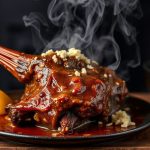
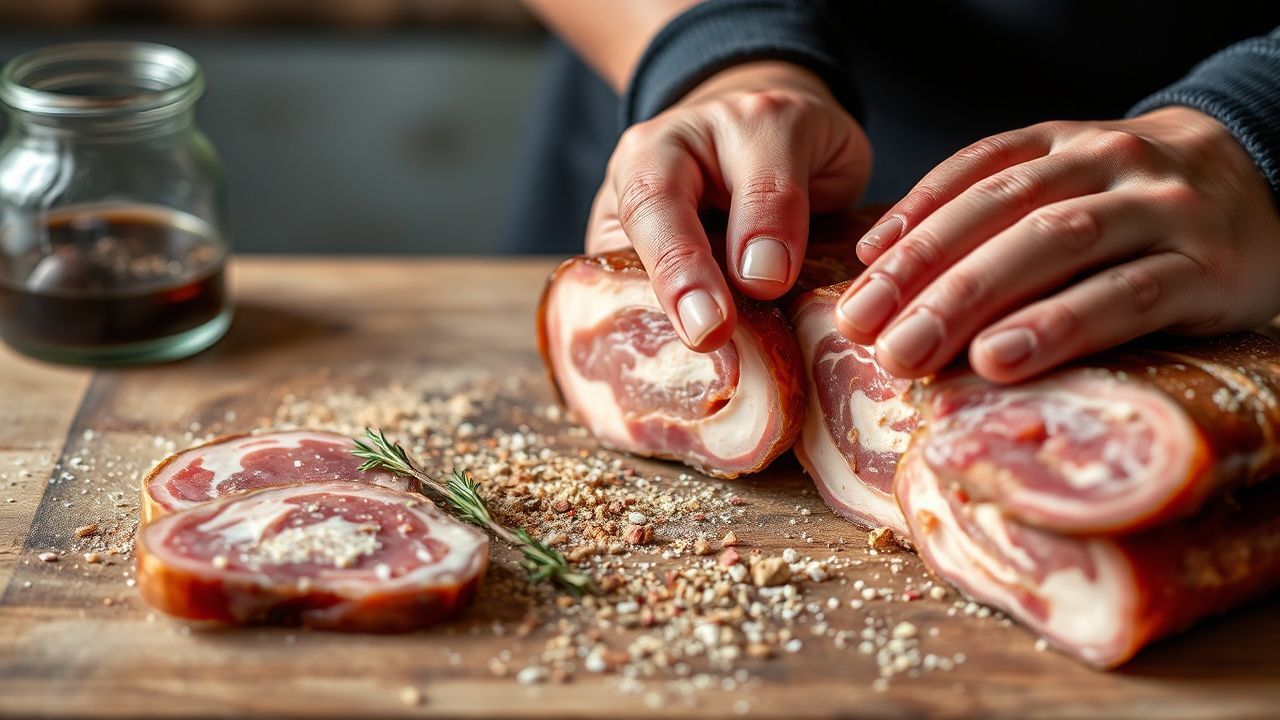

There is a simple alchemy when basic ingredients meet time-tested technique, and nowhere is that truer than with guanciale. This cured pork jowl provides silky fat and concentrated pork flavor that lifts dishes like carbonara and amatriciana to a different level.
At a Glance
- Start with quality pork jowl: fat distribution dictates texture and flavor.
- Use precise salt ratios: roughly 2 tbsp kosher salt per pound for a reliable cure.
- Dry under controlled conditions: aim for about 55–60°F and 70–80% relative humidity.
- Slice thin and store properly: keep wrapped in cheesecloth and use within weeks once cut.
Prep and Cook Time
Preparation time runs short at about 30 minutes of hands-on work; curing then takes 7–10 days. The active time is minimal, but the process requires monitoring.
Drying and aging demand patience: expect 3 to 4 weeks of drying for classic texture. Total calendar time typically spans 4 to 5 weeks from start to finish.
Yield and Difficulty
From a 2.5–3 lb pork jowl you should harvest roughly 1.2–1.6 lbs of finished guanciale, depending on moisture loss and trimming. Yield varies by initial fat content and exact drying loss.
The technique rates as advanced. Success favors attention to temperature, humidity, and cure ratios rather than complicated equipment. Practitioners with basic kitchen hygiene and a reliable refrigerator or curing space get excellent results.
Selecting the Ideal Pork Jowl
Choose a fresh, intact pork jowl with generous, even marbling. The jowl’s fat layer supplies the melt and mouthfeel unique to guanciale; leaner pieces produce a drier, firmer product.
Buy from a trusted source and ask about breed and diet when possible. Heritage or pasture-finished hogs often give a richer flavor. For context on pork as an ingredient, see pork.
When trimming, remove excess skin but retain the subcutaneous fat. That fat is your flavor reservoir and will render down during cooking to season sauces and pastas.
Mastering the Curing Process
Curing combines salt-driven dehydration with aromatics to build flavor while preserving the meat. Use about 2 tablespoons (roughly 30 g) of kosher salt per pound of jowl as a reliable starting point.
Mix salt with cracked black pepper and chosen aromatics. Classic blends use pepper, thyme, juniper, or bay leaf for a clean, herbal profile. Massage the cure into the meat and place the jowl in a non-reactive container for 7–10 days, flipping it every 48 hours so the cure penetrates evenly.
For more on the science behind preservation, consult the general curing overview at curing (food). Salt draws water out while enzymes and time concentrate flavor.
After the cure period, rinse gently to remove excess surface salt. Dry the jowl thoroughly with clean towels and allow it to air-dry briefly in the refrigerator before hanging. This step sets a pellicle that improves the drying process.
Achieving the Ideal Drying Environment
The drying phase transforms cured jowl into guanciale. Target 55–60°F (13–15°C) and 70–80% relative humidity to avoid case hardening and to allow steady moisture loss.
Dedicated curing fridges or humidity-controlled cellars work best. If you lack specialized equipment, a well-insulated closet or a converted wine fridge can be adapted with a reliable thermometer and a small humidifier or water tray to stabilize humidity.
Hang the jowl on a clean hook with 360-degree airflow, or place on an elevated rack. Drying typically takes 3–4 weeks; check weekly. The finished guanciale should be firm but yield slightly under pressure, with concentrated aroma.
Slicing and Storing Guanciale
For serving, slice cold and thin at a 45-degree angle to showcase marbling. A sharp chef’s knife or meat slicer gives the best, even slices that render quickly in a pan.
Wrap unwaxed guanciale in cheesecloth then parchment and store in the coolest part of the refrigerator. Use sliced guanciale within 2–3 weeks; vacuum-seal portions for longer freezer storage without losing texture.
Ingredients
The following ingredients reflect a classic, balanced profile for traditional guanciale. Adjust aromatics to taste, but keep salt and time consistent.
- 1 whole pork jowl (2.5–3 lbs), skin removed
- 6 tbsp kosher salt (approx. 2 tbsp per pound)
- 3 tbsp freshly cracked black pepper
- 1 tbsp dried thyme
- 1 tbsp crushed juniper berries
- 1 tsp crushed red chili flakes (optional)
Instructions
Follow these steps precisely to reduce risk and achieve an even cure. Sanitation and measurement matter more than exotic spices.
- Prepare the pork jowl: Trim excess skin but retain fat. Pat the surface dry with paper towels and refrigerate briefly to firm the meat for easier handling.
- Make the cure blend: Mix kosher salt, cracked black pepper, thyme, juniper, and chili flakes until uniform. Accurate proportions prevent over-salting.
- Apply the cure: Rub the blend all over, pressing into crevices. Place the jowl in a non-reactive container and cover; refrigerate at 34–38°F (1–3°C).
- Cure the meat: Turn the jowl every 48 hours for 7–10 days, draining any liquid. The jowl should become noticeably firmer to the touch.
- Rinse and dry: Rinse in cold water to remove excess surface salt, then pat completely dry. Chill briefly to help form a tacky pellicle.
- Hang to dry: Suspend in your controlled environment around 55–60°F and 70–80% humidity for 3–4 weeks. Monitor weight loss and appearance.
- Storage and use: When firm with a slight give, wrap in cheesecloth and parchment. Refrigerate until slicing and use within the recommended window.
Chef’s Notes
Always use gloves when handling during the curing phase to reduce contamination risk. Clean utensils and containers between uses to maintain food safety.
Small adjustments to aromatics—fennel seed, bay leaf, or a hint of citrus peel—can deepen the aroma profile without masking pork as the main note. Keep experiments conservative and document ratios.
Temperature and humidity control matter more than using exotic ingredients. Track conditions with a thermometer and hygrometer; these instruments drive consistent outcomes.
Serving Suggestions
Render guanciale gently in a skillet until edges are crisp and fat has melted. Use that fat as the cooking base for sauces instead of additional oil for authentic flavor layering.
Classic uses include spaghetti alla carbonara and bucatini all’amatriciana. Thin slices also excel on antipasto boards alongside high-quality cheeses and crusty bread.
Related Reading
For context on cured meats and regional traditions see charcuterie. That overview clarifies where guanciale sits within cured-meat practice.
To better understand the influence of salt and curing chemistry, visit the curing primer at curing (food). Those fundamentals explain enzymatic changes and moisture migration.
FAQ
What is guanciale and what sets it apart?
Guanciale is a cured meat made specifically from pork jowl. Its high-fat content and specific texture create a silky mouthfeel distinct from belly-based pancetta.
The fat renders cleanly, carrying flavor into sauces. For historical and culinary background, see the guanciale entry at guanciale.
How long should I cure and dry the jowl?
Cure the jowl in salt and aromatics for 7–10 days, turning every 48 hours to even out penetration. This period firms the meat and seasons the interior.
Drying typically requires 3–4 weeks in controlled conditions. Monitor weight and feel; the finished piece should be firm with slight give rather than rock-hard.
Can I substitute pancetta or bacon?
Pancetta and bacon differ in cut and technique. Pancetta comes from belly and is often rolled; bacon is usually smoked. Guanciale’s jowl origin gives a different fat character and mouthfeel.
Substituting changes the final flavor and texture. When authenticity matters in dishes like carbonara, guanciale provides the closest match.
Is homemade guanciale safe to make?
Yes, with disciplined sanitation, accurate salt ratios, and controlled temperatures. Use clean tools, gloves, and a reliable curing environment. Discard any meat with abnormal odor or persistent fuzzy mold.
For technical perspective on pork handling and safety practices, consult trusted food-safety resources and standard references on pork processing.
How should I store leftover guanciale?
Wrap in cheesecloth and parchment and refrigerate. Once sliced, consume within 2–3 weeks for optimal flavor. Vacuum sealing extends shelf life for freezing.
Keep stored cuts away from strong-smelling foods to avoid cross-flavoring. Proper wrapping preserves both aroma and texture during storage.
See also: Guanciale