

Crafting Sweet Rose Hip Syrup: A Step-by-Step Guide
In late autumn gardens, bright red rose hips glisten like tiny jewels, ready to become a fragrant, vitamin-rich syrup. This guide shows you practical, tested steps to select, prepare, and preserve rose hip syrup that lifts drinks and desserts.
- Pick ripe, firm rose hips after the first frost for optimal sweetness and nutrient retention.
- Simmer gently and strain well to capture flavor while avoiding grit from seeds and hairs.
- Finish with acid and sweetener—lemon brightens; cane sugar or honey balances the tartness.
- Store chilled in sterilized jars or freeze portions for longer shelf life.
Overview and Botanical Context
Rose hips are the fruit of the rose plant and carry concentrated flavor and nutrients, especially when harvested at the right time. For botanical background, see Rosa (genus).
These fruits concentrate carotenoids, flavonoids, and organic acids that give a lively tart-sweet profile. Using proper technique retains those compounds while producing a clear, shelf-stable syrup.
Prep and Cook Time
Preparation: 20 minutes. Cooking: 45 minutes. The schedule suits home kitchens and yields a syrup that captures fresh aroma.
Total time depends on whether you use fresh or dried hips and on the desired syrup thickness. Expect approximately 65 minutes for a standard batch.
Yield and Difficulty
This recipe yields about 2 cups of syrup, equivalent to roughly eight 2-tablespoon servings. The technique suits home cooks comfortable with basic simmering and straining.
Skill level rates as medium because of the seed-removal step and the need to balance sugar and acid. With practice, the process becomes fast and repeatable.
Ingredients
Use fresh, fully ripe fruit for the best aroma and nutrient profile. Dried hips will work but need rehydration before simmering.
Core ingredients include water, a sweetener, and acid to balance flavor and aid preservation. For nutrient context, consult Vitamin C.
- 2 cups fresh or dried rose hips, bright red to deep orange, firm and ripe
- 4 cups filtered water
- 1½ cups organic cane sugar (or substitute honey or maple syrup for different flavor)
- 1 tablespoon fresh lemon juice to brighten and help preserve color
- Optional: 1 cinnamon stick or a few cloves for warm spice notes
Instructions
Follow these steps in sequence to extract maximum flavor and a smooth texture. Read the full set once before starting so you can prep efficiently.
Keep heat low after adding sweetener to preserve color and delicate aromatics. Use a heavy-bottomed saucepan for temperature control.
Step-by-Step Method
- Select the rose hips: Pick plump, scarlet hips free of mold. Aim to harvest after the first light frost, which mellows acidity and concentrates sugars.
- Clean the hips: Rinse under cold running water to remove dirt and debris. Trim stems and blossom ends before halving.
- Prep the hips: Halve or crush hips to expose seeds and pulp. For dried hips, soak 10 minutes in warm water to rehydrate and soften the flesh.
- Simmer: Combine hips and water in a saucepan. Bring to a gentle boil, then reduce to a low simmer for 30 minutes while mashing occasionally to release pulp.
- Strain: Pass the cooked mix through a fine mesh or muslin cloth to separate liquid from seeds and hairs. Press gently to extract juices while avoiding grit.
- Add sweetener and lemon: Return the strained liquid to the pan. Stir in sugar or honey and lemon juice; add spices if using. Warm until the sweetener fully dissolves.
- Reduce to syrup: Raise heat modestly to achieve a low boil. Simmer 8–12 minutes until the liquid slightly thickens and coats the back of a spoon.
- Cool and bottle: Cool to room temperature, then bottle into sterilized jars. Refrigerate or freeze portions for longer life.
Techniques and Notes
Straining determines final clarity. Use a double layer of muslin or a fine chinois to remove hairs that can cloud texture. Practice yields a clearer product each batch.
Control temperature to preserve volatile aromatics. After adding sweetener, keep heat low: this reduces color loss and conserves heat-sensitive nutrients.
Try small-scale flavor experiments: a split vanilla bean, a star anise, or a splash of good-quality honey changes character. Record ratios so you can repeat favorite variants.
Tips for Success in Crafting Sweet Rose Hip Syrup
Use a clear, filtered water base to avoid off-flavors. Water quality affects both aroma and how the syrup reduces on the stove.
Measure sugar by weight when possible for consistent results, especially if you scale the recipe. Sugar ratio controls shelf stability and mouthfeel.
Serving Suggestions
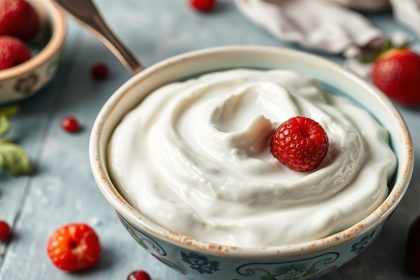
Rose hip syrup lifts many dishes with floral, fruity notes. Drizzle over pancakes, swirl into yogurt, or add a splash to cocktails for a seasonal twist.
Use it as a glaze for roasted poultry or as a mixer for sparkling water to create a refreshing soda alternative. Garnish with a thin lemon twist to amplify aroma.
Nutrition & Yield
A 2-tablespoon serving provides concentrated carbohydrates and modest Vitamin C content depending on processing. Exact values vary with cooking time and ingredient choices.
For syrup context and processing types, see Syrup. If you track nutrient intake, analyze your final product using a food database after cooling.
| Nutrient | Per 2 Tbsp Serving |
|---|---|
| Calories | 60 |
| Protein | 0 g |
| Carbohydrates | 15 g |
| Fat | 0 g |
| Vitamin C | Variable — lab analysis recommended |
*Percent values will vary with fruit quality and cooking.
Storage and Preservation
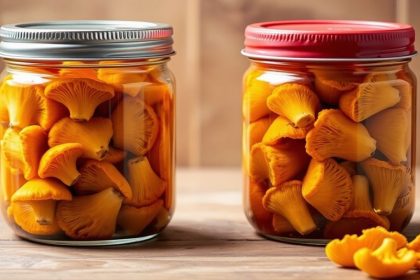
Store in sterilized, airtight jars in the refrigerator for short-term use, or freeze portions in labeled containers for months. Proper cooling before sealing prevents condensation inside jars.
For longer preservation, consider safe canning methods. For background on methods and safety, refer to Food preservation.
Common Variations
Swap sweeteners: honey adds floral notes, maple syrup gives depth, and cane sugar keeps a neutral sweetness. Adjust quantities to taste and soluble solids content.
Spice pairings broaden use: cinnamon and clove for warming winter drinks, or vanilla and citrus peel for dessert-focused syrups. Infuse briefly for subtlety, longer for stronger flavor.
FAQ
What are rose hips and why use them?
Rose hips are the fruit that forms after a rose finishes blooming. They concentrate floral aromatics and nutrients, offering a tart-sweet base ideal for syrups and preserves.
They have historical culinary and medicinal usage and a distinct flavor profile that brightens beverages and desserts.
When should I harvest rose hips?
Harvest after the first frost when hips mellow and sugars concentrate, typically late autumn. Look for bright color and slightly soft texture rather than hard, green fruit.
If frost is unavailable, wait until full color and downtime after flowering; ripeness yields better flavor and aroma.
Can I use dried rose hips?
Yes. Rehydrate dried hips in warm water for 10–15 minutes before simmering. Dried fruit concentrates flavor, so adjust water and simmering time accordingly.
Dried hips often require longer straining to remove particulate matter; use a fine muslin for best clarity.
How long does the syrup keep?
Refrigerated, expect up to three months when jars are sterilized and handled cleanly. Freezing extends life beyond six months without quality loss.
For pantry storage, follow tested canning procedures and acidity guidelines; improper canning risks spoilage.
Are there health benefits to rose hip syrup?
Rose hips contain antioxidants and vitamin precursors, but syrup concentrates sugar. Enjoy as a flavorful condiment rather than a medical tonic.
For specific nutrient claims, analyze a prepared batch or consult laboratory data; processing changes vitamin content significantly.
Crafting rose hip syrup rewards attention to timing, gentle heat, and careful straining. With these steps you will bottle a bright, aromatic syrup that improves with practice and makes a thoughtful gift.

See also: Rose Hip