
Creamy One-Pot Chicken Alfredo: Easy, Flavor-Packed Feast
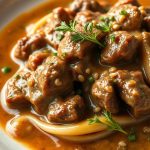
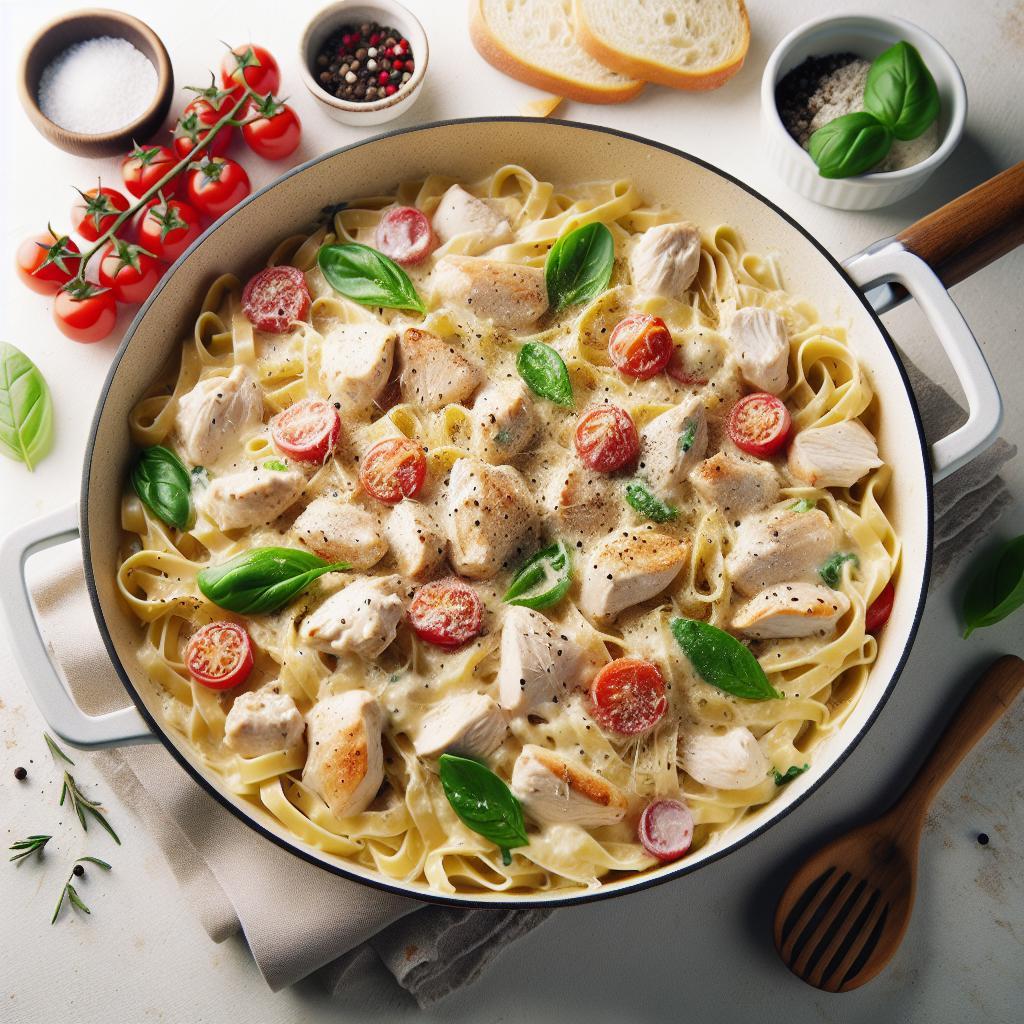
When comfort food meets streamlined technique, you get a reliable weeknight winner: a creamy one-pot chicken Alfredo that delivers tender chicken, silky sauce, and perfectly cooked pasta with minimal cleanup. This recipe combines classic elements—garlic, cream, and freshly grated Parmesan—while relying on timing and simple emulsification to produce a stable, glossy sauce.
- One-pan convenience: Sauté, simmer, and finish in the same pot for fast cleanup.
- Balanced richness: Heavy cream plus Parmigiano-Reggiano creates a smooth emulsion.
- Timing matters: Cook pasta to al dente while chicken finishes to prevent drying.
- Customizable: Add greens or mushrooms in the final minutes for texture and color.
Overview and Technique Summary
This approach relies on controlled heat and staged additions so the dairy emulsifies rather than breaks. The technique uses frequent stirring during the pasta phase so starches integrate into the sauce and thicken naturally.
For context on the classic dish this adapts, see the traditional fettuccine Alfredo origin and history. Understanding the original helps you preserve flavor while simplifying method.
Prep and Cook Time
Preparation: 15 minutes. Prepare ingredients by cutting uniform chicken pieces and grating fresh cheese; this ensures even cooking and smooth melting.
Cooking: 30 minutes. Sauté the chicken, add aromatics, then simmer pasta in broth and cream until al dente; finish by stirring in cheese off direct heat to form a glossy sauce.
Yield
Serves 4 generous portions. The recipe proportions balance protein, pasta, and sauce so each serving stays saucy without being soupy.
Scale the recipe by 25-50% for larger groups while keeping the same liquid-to-pasta ratio to maintain sauce consistency. Adjust seasoning at the end after cheese addition.
Difficulty Level
Easy — suitable for cooks comfortable with basic sautéing and timed simmering. The one-pot method reduces steps but requires attention during the pasta stage.
Beginners gain predictable results by prepping mise en place, using freshly grated cheese, and monitoring heat to avoid curdling the cream or overcooking the chicken.
Ingredients
Use quality basics: fresh garlic, high-fat cream, and freshly grated Parmigiano-Reggiano for optimal melt and flavor. Freshly grated hard cheese melts more smoothly than pre-grated varieties, which often contain anti-caking agents.
Note: this recipe features fettuccine-style pasta for traditional mouthfeel; learn about pasta varieties at the pasta overview. Choose a pasta that fits your pot dimensions so strands submerge evenly.
- 1 lb boneless, skinless chicken thighs, cut into bite-sized pieces
- 2 tbsp unsalted butter
- 4 cloves garlic, minced
- 1 ½ cups heavy cream
- 1 ½ cups freshly grated Parmigiano-Reggiano
- 12 oz fettuccine-style pasta (uncooked)
- 3 cups low-sodium chicken broth
- Salt and freshly ground black pepper, to taste
- 2 tbsp chopped fresh parsley, for garnish
- ½ tsp crushed red pepper flakes (optional)
Instructions
Work in stages: sear the chicken, soften aromatics, then add liquid and pasta. Maintain medium to medium-low heat so the cream heats gently and the pasta releases starches to thicken the sauce.
Stir frequently during the pasta simmer to keep strands separate and to distribute starch into the sauce. Rest the pot off the heat when adding cheese to avoid grainy texture from overheating.
Step-by-step Method
1. Prepare the Chicken: Heat butter in a large deep skillet or Dutch oven over medium heat. Add chicken pieces, season lightly, and sauté until golden and cooked through, about 6–8 minutes; move chicken to the side if using a single pan to free space for aromatics.
2. Add Garlic and Aromatics: Reduce heat slightly and add minced garlic; cook for about 1 minute until fragrant. Avoid browning the garlic aggressively to keep its sweet, aromatic profile.
3. Combine Liquids and Pasta: Pour in chicken broth and heavy cream, stirring to combine. Add uncooked fettuccine and press down so strands submerge; bring to a gentle boil before reducing heat to medium-low.
4. Simmer to Cook Pasta: Maintain a gentle simmer, stirring every 1–2 minutes to prevent sticking, until pasta is al dente and liquids reduce, about 12–15 minutes. Add small splashes of broth if the mixture reduces faster than pasta cooks.
5. Incorporate Parmigiano-Reggiano: Remove pan from direct heat and gradually stir in grated Parmigiano-Reggiano until fully melted and emulsified. Taste and adjust salt, pepper, and red pepper flakes if using.
6. Final Touches and Serve: Let the sauce rest for 2 minutes to thicken, garnish with parsley, and serve directly from the pot for a rustic presentation. Reserve a splash of cooking liquid to loosen the sauce while plating if needed.
Tips for Success
Choose uniform chicken pieces so they cook evenly during the fast sauté stage. Thighs resist drying better than breasts and provide more forgiving texture during simmering.
Freshly grate Parmigiano-Reggiano for cleaner melting and fuller flavor. Pre-grated cheeses often contain anti-caking agents that impede smooth emulsification.
Stir the pasta frequently as it simmers so the starch distributes into the sauce, creating natural viscosity. If the sauce tightens too quickly, add small increments of hot broth rather than cold liquid to preserve temperature balance.
Serving Suggestions
Balance the dish with bright, acidic sides; a crisp green salad with lemon vinaigrette cuts richness and refreshes the palate between bites. Roasted or steamed vegetables like asparagus or broccoli provide textural contrast and nutrients.
For aromatic finish, sprinkle extra grated cheese and a grind of black pepper just before serving. Parsley or a few basil leaves add color and a fresh herbal note that brightens the plate.
Nutritional Snapshot
Per serving estimates: roughly 650 kcal, 45 g protein, 50 g carbohydrates, 30 g fat. These values depend on exact ingredients and portion size; use precise labels for strict tracking.
To lower calories, substitute half-and-half or a blended cauliflower-cream for heavy cream and reduce cheese quantity modestly. Expect altered mouthfeel when reducing fat.
| Nutrient | Per Serving |
|---|---|
| Calories | 650 kcal |
| Protein | 45 g |
| Carbohydrates | 50 g |
| Fat | 30 g |

Ingredient Notes and Substitutions
If you prefer chicken breast, slice it thinly and watch timing closely to avoid drying. Thigh meat tolerates longer simmering and gives a richer mouthfeel.
Use freshly minced garlic for immediate aromatic lift; for a milder profile, roast garlic ahead of time. For cheese, authentic Parmigiano-Reggiano delivers the best melt and savory depth.
Q&A
What makes this Chicken Alfredo recipe a “one-pot” meal?
This method conducts sautéing, simmering, and sauce assembly inside a single heavy pan so you skip transferring ingredients between vessels. Fewer steps equal faster cleanup and streamlined timing control.
The one-pot approach also captures released starch, which integrates into the sauce and enriches mouthfeel unlike separate-cooked pasta that loses starch to discarded water.
How do I ensure a creamy, stable sauce?
Gently heat the cream and remove the pan from direct heat before adding cheese. Gradual incorporation of grated cheese while stirring allows proper emulsification and prevents clumping.
Use freshly grated hard cheese and maintain medium-low temperatures; avoid rapid boiling once dairy is involved to keep the texture smooth.
Can I customize vegetables or proteins?
Yes. Spinach, peas, mushrooms, or sun-dried tomatoes integrate well when added in the final 2–3 minutes to preserve texture and color. Swap chicken for shrimp with adjusted timing for seafood doneness.
For vegetarian versions, omit chicken and increase mushrooms or add roasted cauliflower; replace chicken broth with vegetable stock to maintain savory depth.
How can I prevent the pasta from becoming mushy in a one-pot method?
Start with liquid that just covers the pasta and maintain a gentle simmer while stirring frequently. Check for al dente doneness a few minutes earlier than package directions because pasta will continue to soften as it rests in sauce.
If the liquid reduces too fast, add measured splashes of hot broth to keep an even cooking environment until pasta reaches the desired texture.
What are the best reheating practices?
Store leftovers covered in the refrigerator up to 2 days. Reheat gently over low heat with a splash of cream or hot broth, stirring until the sauce loosens and regains a silky texture.
A microwave can work in short bursts, but stirring between bursts helps restore even texture and prevents hotspots that cause separation.
Final Thoughts
This one-pot chicken Alfredo delivers consistent results when you follow staged heat control and use freshly prepared ingredients. Small technique choices—fresh cheese, uniform chicken pieces, and attentive stirring—define the final texture and flavor.
Use the method as a template: once you master timing and emulsification, you can adapt proteins, pastas, and mix-ins to suit seasons and preferences while keeping cleanup minimal.
FAQ
Is heavy cream necessary for the sauce?
Heavy cream provides the most stable, rich emulsion, but you can use half-and-half or a creamy vegetable purée for lower-fat options. Expect differences in mouthfeel and thickness.
Can I freeze the leftovers?
Freezing is not recommended for best quality because dairy-based sauces can separate on thawing. Short refrigerated storage yields better texture and flavor retention.
What pasta shapes work best?
Flat, ribbon-like pastas such as fettuccine or tagliatelle work well to carry the sauce. Short shapes like penne can work but may require slight liquid adjustments for even cooking.
How can I make the dish spicier without overwhelming it?
Add crushed red pepper flakes incrementally, or finish with a small amount of fresh lemon zest to brighten flavors without masking the cream and cheese base.
Where can I learn more about the ingredients used?
Read background on chicken as an ingredient and the history of fettuccine Alfredo to deepen your ingredient knowledge and culinary decisions.
See also: Chicken Alfredo