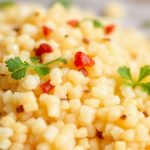
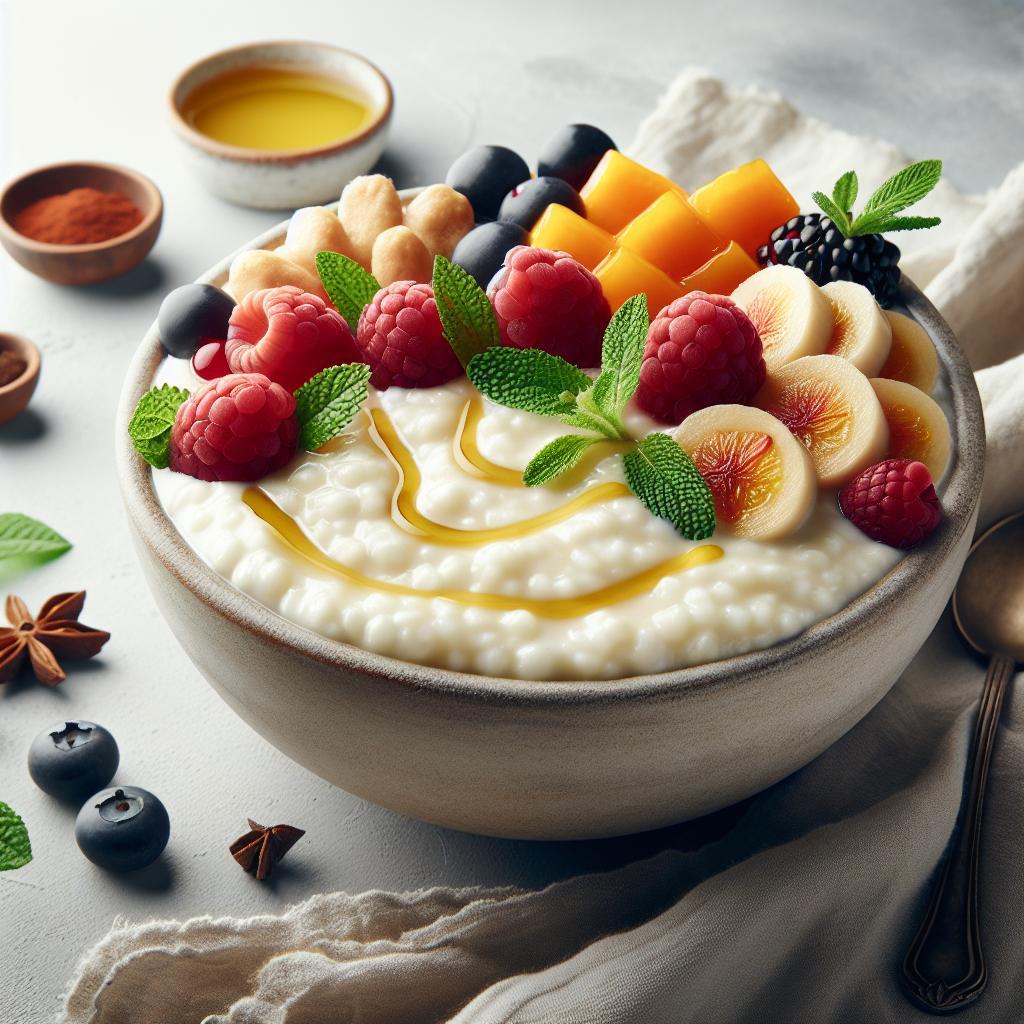

There is something timeless about a velvety spoonful of creamy Southern style rice pudding. This dessert carries the warmth of family kitchens and generations of recipes, and it delivers a familiar, comforting flavor with every bite.
- Classic technique: slow-cook rice in milk for a naturally silky texture.
- Simple pantry staples: rice, milk, eggs, sugar, vanilla and spice create deep flavor.
- Make-ahead advantage: pudding often improves after resting overnight.
Unlocking the Secrets to Perfectly Silky Texture
Creamy Southern style rice pudding reaches its signature mouthfeel through starch release, gentle heat, and timed egg enrichment. Rice releases amylopectin and amylose during slow cooking; this starch thickens the liquid and creates a velvety binder that coats the spoon.
For technical context, consult standard entries on rice and custard techniques, since rice pudding sits at the intersection of grain science and custard chemistry. Work with low heat, frequent stirring, and careful egg tempering to prevent curdling and to achieve a smooth finish.
Prep Details
Plan about 10 minutes of active prep and roughly 45 minutes of stove time for a finished pudding that yields six generous portions. Use a heavy-bottomed saucepan to distribute heat evenly and avoid hot spots.
Prep reduces surprises: measure ingredients, rinse rice to remove surface starch if you prefer distinct grains, and set eggs at room temperature for better emulsification when tempering.
Prep and Cook Time
- Prep Time: 10 minutes
- Cook Time: 45 minutes
- Total Time: 55 minutes
Yield & Difficulty
- Serves: 6 generous portions
- Skill Level: Easy to Medium — basic stovetop technique and tempering.
Ingredients
Gather quality, simple ingredients. Whole milk and fresh eggs drive richness; choose whole milk for the classic texture, or swap part of it for evaporated milk to intensify creaminess without extra cooking steps.
Use medium- or short-grain rice when possible. These varieties release more starch and yield the silkier mouthfeel associated with traditional Southern puddings.
- 1 cup medium- or short-grain rice, rinsed
- 4 cups whole milk, divided
- 3/4 cup granulated sugar
- 1/2 teaspoon fine sea salt
- 2 large eggs, lightly beaten
- 1 tablespoon unsalted butter
- 2 teaspoons pure vanilla extract
- 1/2 teaspoon freshly grated nutmeg (optional)
- Ground cinnamon for garnish
Step-by-Step Instructions
Follow a sequence that builds texture and prevents curdling. First simmer rice in part of the milk until tender; then incorporate a custard base made from eggs, sugar, salt, and the remaining milk to enrich the mixture.
Temper the eggs carefully: slowly whisk hot rice into the egg mixture to raise temperature without scrambling. Return the tempered custard to the saucepan and finish on low heat until the pudding thickens.
- Combine the rinsed rice and 2 cups of whole milk in a medium heavy-bottomed saucepan. Bring to a gentle simmer over medium heat, stirring occasionally.
- Reduce heat to low, cover partially, and cook until rice is tender, about 20 minutes. Stir gently to prevent sticking and to promote even starch release.
- Whisk together the beaten eggs, sugar, salt, and remaining 2 cups of milk in a separate bowl to create a smooth custard base.
- Temper the eggs: add about 1 cup of the hot rice mixture into the egg mixture while whisking constantly. This step raises the egg temperature gradually to prevent curdling.
- Return the tempered custard to the saucepan with the remaining rice. Cook on low, stirring constantly, until the pudding thickens to nappe consistency, about 12–15 minutes. Do not let it boil.
- Finish off heat by stirring in the butter and vanilla. Fold in freshly grated nutmeg if using, and adjust sugar to taste.
- Transfer the pudding to a serving dish or ramekins. Garnish with a dusting of cinnamon. Serve warm or chilled after it sets slightly.
Tips and Tricks for Serving and Storing Your Rice Pudding
Complement the pudding with texture contrasts, such as toasted pecans or a bright fruit compote. Warm spices like cinnamon and nutmeg highlight the dairy sweetness without masking subtle vanilla notes.
Store leftovers in an airtight container in the refrigerator for up to four days. Reheat gently on the stovetop with a splash of milk and constant stirring to restore creaminess.
If you make a dairy-free version, use full-fat coconut milk to maintain body. Expect a slightly different flavor profile but comparable richness when you reduce the mixture slowly.
Chef’s Notes
Small technique adjustments produce measurable differences. Use medium heat for initial simmering, then low heat for the finishing stage to coax starch into a velvety matrix rather than a gluey one.
Stirring frequency affects texture: gentle, frequent strokes encourage uniform gelatinization of starch and reduce the risk of scorching against the pan.
- For richness, replace half of the whole milk with evaporated milk.
- If medium-grain rice is unavailable, long-grain rice works but yields a less velvety finish.
- For dairy-free results, full-fat coconut milk offers the best body and mouthfeel.
- Maintain constant stirring during final thickening to prevent lumps and scorching.
Serving Suggestions
Serve the pudding warm with a pat of butter or chilled with a dollop of whipped cream. Toasted nuts add crunch that contrasts the mellow custard texture.
Pair this dessert with a robust beverage, such as brewed coffee or a strong black tea that balances sweetness and amplifies spice notes.
- Dust with freshly grated nutmeg or cinnamon for aromatic top notes.
- Garnish with toasted chopped pecans or walnuts for crunch.
- Serve alongside a cup of Southern-style tea for a classic pairing.
- Finish with whipped cream or a drizzle of honey for extra indulgence.
Nutritional Snapshot
Per serving estimates vary by specific ingredients and swaps. The following table assumes whole milk and the recipe proportions above.
Use the nutrition values as a baseline for menu planning and calorie-aware serving sizes.
| Nutrient | Per Serving |
|---|---|
| Calories | 250 kcal |
| Protein | 6 g |
| Carbohydrates | 43 g |
| Fat | 5 g |
Context and Tradition
Rice pudding has historic roots as an economical, comforting dish across cultures. In the Southern United States, it became a household favorite, integrating pantry staples into a dessert that feeds a family affordably and warmly.
For cultural reference, see the overview of the Southern United States culinary traditions and the broader pudding category to understand regional variations and historical usage.
FAQ
What makes Southern style rice pudding different from other puddings?
Southern style focuses on an ultra-creamy texture with warm spices and pure vanilla. It emphasizes slow cooking and egg enrichment to reach a custard-like body that nestles the grains.
Can I make rice pudding ahead of time?
Yes. Flavor often deepens after resting overnight. Refrigerate in an airtight container and reheat gently on the stove with a splash of milk to refresh the texture.
Which rice variety gives the best creaminess?
Medium- and short-grain rices release more starch and create a silkier pudding. When unavailable, long-grain rice will work but likely yield a less velvety mouthfeel.
How do I prevent the eggs from curdling?
Temper the eggs by slowly whisking hot rice mixture into the egg-milk-sugar bowl before returning everything to the pan. Keep the heat low during the finishing stage and avoid boiling.
Can I make a dairy-free version without losing creaminess?
Use full-fat coconut milk to maintain body, and follow the same slow-cook technique. Coconut flavor will be noticeable but the mouthfeel remains rich.
Final Spoonful
Every successful batch balances technique and patience. Control heat, manage starch release, and temper eggs to produce that quintessential Southern silkiness.
When you serve this pudding, you present more than dessert: you present a familiar ritual. Keep the method consistent, use trustworthy ingredients, and enjoy how small adjustments yield satisfying results.
See also: Rice Pudding