
Crisp Meets Fresh: Fried Caprese
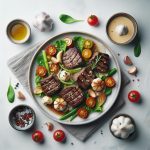
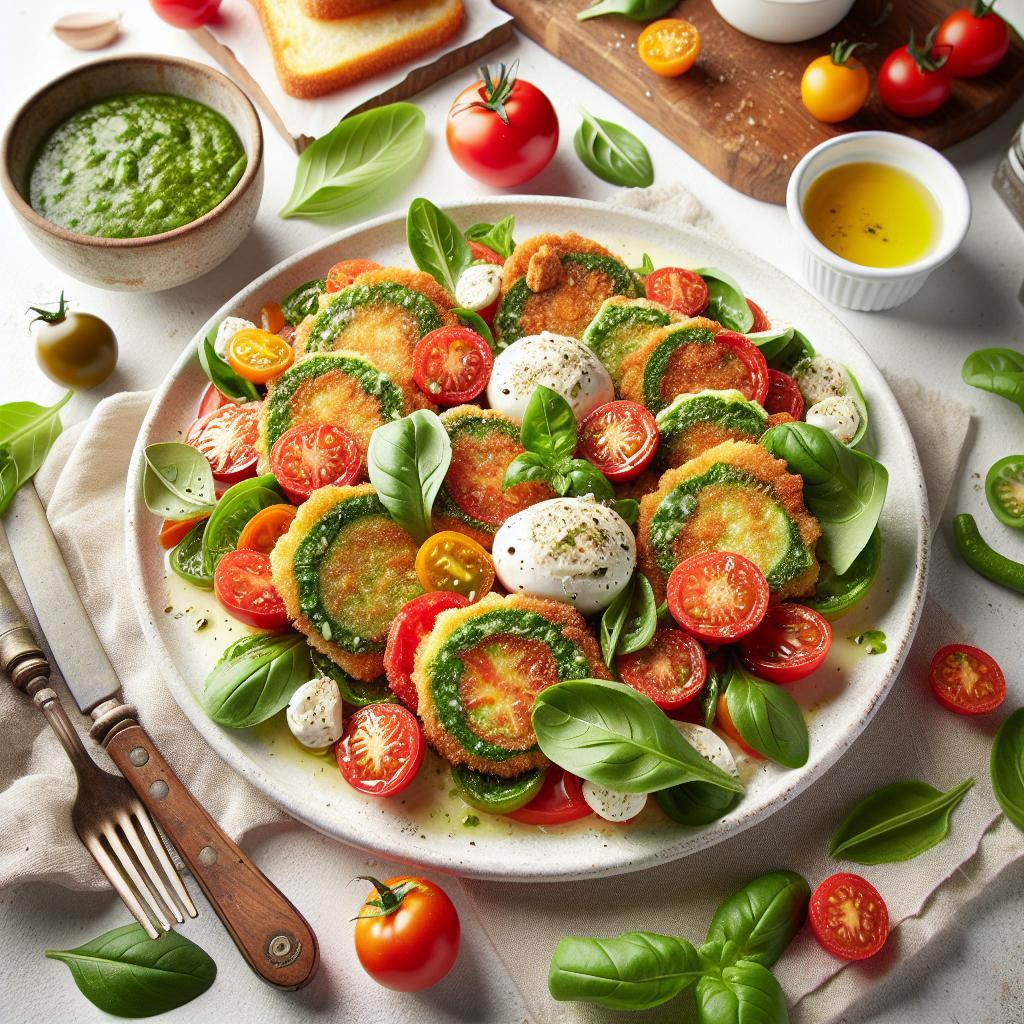
Fried Caprese fuses a crunchy Southern staple with the clean clarity of Caprese components. The contrast between a golden panko crust, a tangy green tomato center, and silky burrata keeps every bite balanced and memorable.
- Crisp Meets Fresh: Fried Caprese
- Overview of Fried Caprese
- Prep and Cook Time for Fried Caprese
- Yield and Portions — Fried Caprese
- Difficulty Level & Technique Notes for Fried Caprese
- Ingredients for Fried Caprese
- Step-by-Step Instructions for Fried Caprese
- Tips for Success with Fried Caprese
- Variations, Substitutions, and Dietary Options for Fried Caprese
- Serving Suggestions for Fried Caprese
- Nutrition and Practical Notes for Fried Caprese
- Related Techniques and Sources
- To Wrap It Up
- FAQ
- Quick build: Ready in about 35 minutes, ideal as an appetizer or light meal.
- Texture-first: Panko and stable oil temperature deliver dependable crispness.
- Fresh finish: Burrata or fresh mozzarella plus basil provides the classic Caprese harmony.
- Serve now: Assemble immediately so warm crust meets cool cheese.
Overview of Fried Caprese
This Fried Caprese is a straightforward reinterpretation of a three-ingredient formula that focuses on texture. We swap ripe tomatoes for firm green ones and add a panko coating to introduce crunch while preserving the salad’s bright trio.
The technique borrows from Southern frying traditions and Italian simplicity. For further context on the inspiration, see Caprese salad and the history behind fried green tomatoes.
Prep and Cook Time for Fried Caprese
Preparation: 20 minutes. Slice green tomatoes uniformly and set up a proper dredging station to speed the process. Consistent slices equal even frying and fewer ruined rounds.
Cooking: 15 minutes. Small batches at 350°F (175°C) take about 3–4 minutes per side. Rest on a wire rack to keep the crust crisp while finishing the remaining slices.
Yield and Portions — Fried Caprese
Serves 4 as an appetizer or light meal. Plan two to three slices per person for shared plates; increase for main-course portions. Adjust portions by tomato size and cheese allocation.
Timing and technique stay constant for larger batches, but work in small fry batches to avoid temperature loss. Accurate oil temperature preserves texture and reduces oil uptake.
Difficulty Level & Technique Notes for Fried Caprese
Difficulty: Medium. Controlling oil temperature and breading technique matters most. Use a thermometer and practice to keep crust light and cheese silky.
Uniform slice thickness and a steady 350–360°F range give reliable results. For technical reading on breadcrumbs, reference panko.
Ingredients for Fried Caprese
Use fresh, high-quality components. The dish relies on clean flavors that cut through the fried coating: tomato, cheese, basil, oil, and breadcrumbs.
Ingredients for four servings: 4 large green tomatoes, 1 cup all-purpose flour, 2 large eggs, 1 cup panko breadcrumbs, salt and pepper, vegetable oil for frying, burrata or fresh mozzarella, fresh basil, extra-virgin olive oil, and an optional balsamic glaze.
Step-by-Step Instructions for Fried Caprese
Slice the tomatoes. Cut into 1/2-inch rounds for structural integrity. Uniform slices yield consistent frying and predictable bites.
Set up dredging stations. Place flour, beaten eggs, and panko in separate shallow dishes. Season each station lightly to build layers of flavor and help the coating adhere.
Frying steps
Heat the oil. Use a heavy skillet and heat oil to 350°F (175°C). Monitor with a thermometer for stable temperature to prevent oil absorption and uneven browning.
Fry in batches. Avoid overcrowding; 3–4 minutes per side produces a golden crust. Transfer slices to a wire rack so steam escapes and crispness remains intact.
Shaping or Using Burrata
Purchase burrata for convenience or make a simple fresh cheese if you want full control over texture. Burrata provides a creamy interior that contrasts with the fried exterior.
Assemble immediately: layer one fried tomato slice with a spoonful of burrata, a basil leaf, and a light drizzle of olive oil. Finish with a whisper of balsamic glaze if desired.
Tips for Success with Fried Caprese
Control temperature tightly. A consistent 350–360°F range keeps the crust crisp without overcooking the tomato interior.
Choose firm green tomatoes that resist bending when picked up. Soft or seedy slices will break during breading and frying and release moisture, which undermines crispness.
Variations, Substitutions, and Dietary Options for Fried Caprese
Swap burrata for fresh mozzarella for a milder, firmer profile. The dish remains Caprese-inspired while changing the center texture.
For a gluten-free option, substitute rice flour and gluten-free panko or a cornmeal-panko blend to retain textural contrast. For vegan builds, use plant-based milk with aquafaba and a vegan creamy cheese alternative.
Serving Suggestions for Fried Caprese
Serve on a rustic wooden board or a white ceramic platter to make colors pop. Arrange fried slices in a staggered stack and add basil sprigs for an elevated presentation.
Pair with grilled sourdough or an arugula salad dressed in lemon vinaigrette for a bright counterpoint to the fried element. Small-scale portions work well for tasting menus and events.
Nutrition and Practical Notes for Fried Caprese
Estimated nutrition per serving: roughly 320 kcal, 12 g protein, 28 g carbohydrates, and 18 g fat. Values vary by oil absorption, cheese choice, and portioning.
Frying increases calorie density versus raw Caprese, so serve alongside fresh greens or citrus-forward salads to cut richness. Reheat leftovers on a wire rack in a 350°F oven for 6–8 minutes to re-crisp the coating.
Related Techniques and Sources
This recipe sits at the intersection of Southern frying technique and Italian ingredient minimalism. For historical framing, consult articles on fried green tomatoes and burrata to understand component origins.
Explore breadcrumb science and alternative coatings by reading about panko. These references clarify why texture management matters in a fried preparation.
To Wrap It Up
Fried Caprese delivers a satisfying contrast of textures and flavors. The method is approachable, and modest adjustments to breading and oil management produce professional results.
Experiment with panko blends, burrata techniques, and temperature control. With precise technique and fresh herbs, the Fried Caprese consistently yields a crisp, bright, and memorable plate.

FAQ
What makes a green tomato ideal for frying?
Choose firm, unripe tomatoes that hold shape and resist membrane breakage. Uniform size helps with even frying and predictable cook times.
Tomatoes that are too soft will collapse under the breading and release moisture, which undermines crispness.
Can I use store-bought burrata?
Yes. High-quality store-bought burrata saves time and delivers consistent texture. If you crave a richer interior, make burrata at home the day before.
Assemble right before serving so the crust stays crisp against the cool cheese.
How do I re-crisp leftovers?
Reheat on a wire rack in a 350°F oven for 6–8 minutes until the crust returns. Avoid microwaves, which make breading soggy.
Assemble with fresh basil and cheese after reheating, not before. That preserves the cheese temperature and herb vibrancy.
Are there regional or historical roots to this pairing?
This preparation fuses Southern fried tomato tradition with Italian Caprese motifs. Both elements rely on ingredient quality, which makes them natural partners for reinterpretation.
Consult the linked Wikipedia pages for deeper historical context on each element used in the Fried Caprese.
See also: Fried Caprese