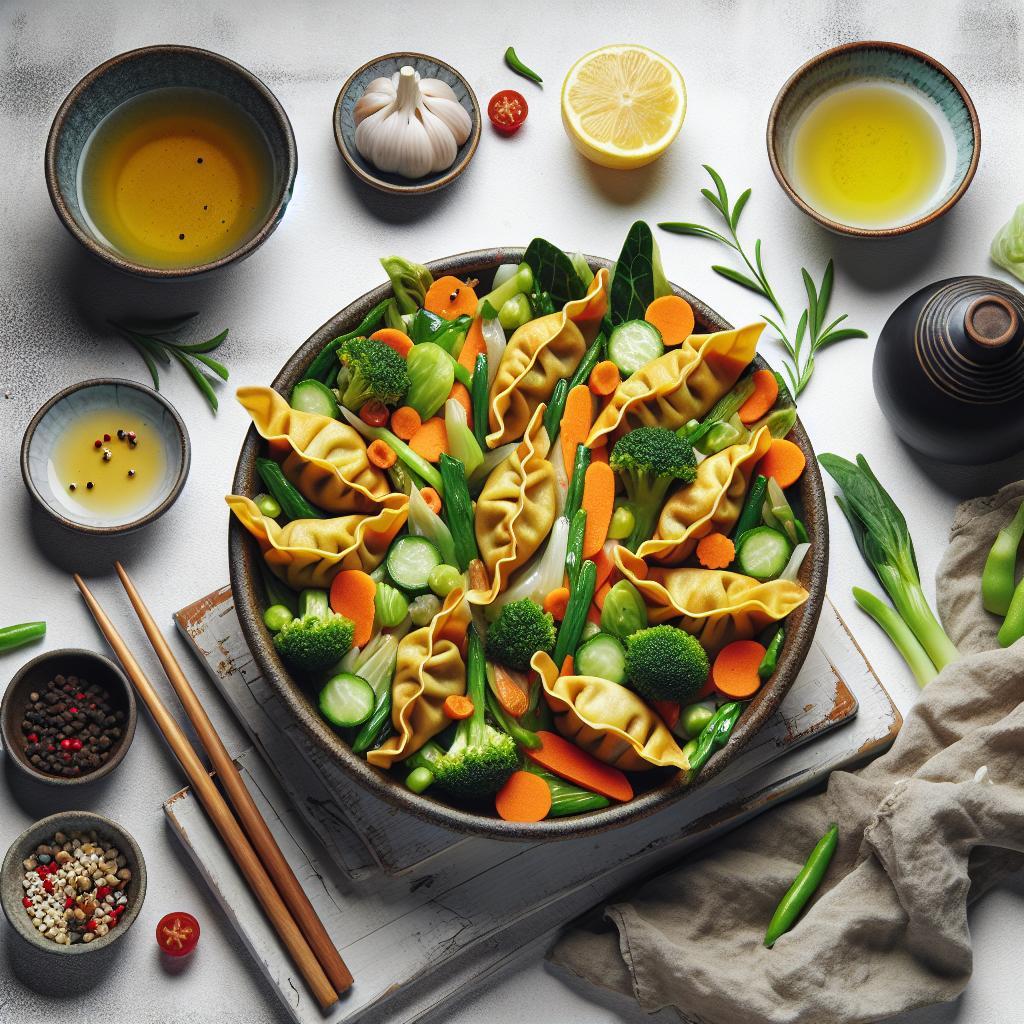

Delicious vegetable wontons blend delicate wrappers with a vibrant vegetable filling for a modern take on a classic snack. Homemade wrappers and a properly seasoned filling create bright texture and clean, layered flavors that outperform store-bought options.
- Quick to assemble: make filling ahead and freeze assembled wontons.
- Versatile cooking: fry, bake, steam or add to broth for a different finish.
- Plant-forward: offers a satisfying vegetarian bite without sacrificing umami.
Overview and Culinary Context
Wontons sit in the broader family of Asian dumplings and carry centuries of technique and variation. For background on the form and history, see the wonton article and the related dumpling overview on Wikipedia for regional context.
Vegetable wontons adapt traditional fillings by emphasizing aromatics, texture contrast, and efficient assembly methods. Proper cooking—whether frying or baking—locks thin wrappers into a crisp shell while preserving a juicy, seasoned interior.
Prep and Cook Time
Plan about 40 minutes from start to finish, including dough rest. Short prep and a fast cook time make wontons ideal for busy weeknights or batch-cooking sessions.
- Preparation: 25 minutes
- Cook Time: 15 minutes
- Total Time: 40 minutes
Yield
This recipe yields approximately 30 wontons, enough for 4–6 people as an appetizer. Adjust fill quantity to create smaller or larger parcels according to appetite and occasion.
Difficulty Level
Rated medium: the techniques are straightforward but require basic dough handling and sealing skills. Once you master the folding and sealing, the steps scale easily for larger batches.
Ingredients
Gather fresh, tightly packed ingredients for the cleanest texture and flavor. Key items include wheat flour for wrappers and a mix of cabbage, mushrooms and aromatics; for details on specific vegetables, review the napa cabbage entry.
- Wonton Dough: 2 cups all-purpose flour, sifted
- ½ teaspoon salt
- ¾ cup warm water (adjust as needed)
- Vegetable Filling:
- 1 cup finely shredded napa cabbage
- ½ cup grated carrot
- ½ cup chopped shiitake mushrooms (see shiitake)
- ¼ cup finely diced red bell pepper
- 2 green onions, thinly sliced
- 2 cloves garlic, minced
- 1 teaspoon fresh ginger, grated
- 1 tablespoon soy sauce (use tamari for gluten-free; see soy sauce)
- 1 teaspoon toasted sesame oil
- ½ teaspoon freshly ground black pepper
- Salt to taste
- For Frying: vegetable oil, for shallow frying
- For Baking: light brushing of olive oil or avocado oil
Substitutions: swap tofu for added protein or add water chestnuts for crunch. For a gluten-free wrapper, use a rice-and-tapioca blend and adjust hydration.
After pressing, briefly sauté the vegetables to concentrate umami and remove surface water. Cooling the filling before assembly prevents wrapper softening and improves seal integrity.
Instructions
Follow these steps for consistent wrappers and uniform filling distribution. Each action aims to build texture: smooth dough, concentrated filling, tight seals.
- Make the Wonton Wrappers: Combine sifted flour and salt in a bowl. Add warm water gradually and mix until a shaggy dough forms; knead 8 minutes until smooth. Cover and rest 30 minutes.
- Prepare the Vegetable Filling: Heat a teaspoon of oil in a skillet. Sauté garlic and ginger briefly, add cabbage, carrots, mushrooms and bell pepper; cook 4–5 minutes until tender. Remove and cool.
- Season the Filling: Stir in green onions, soy sauce, sesame oil, pepper and salt. Taste and adjust—soy sauce provides primary salt; balance with sesame oil for aroma.
- Roll Out the Dough: Divide the dough into quarters, roll thin (about 1/16 inch), and cut squares or rounds 3–4 inches across. Light dusting prevents sticking.
- Assemble the Wontons: Add ~1 teaspoon filling to each wrapper. Moisten edges, fold into triangles or half-moons, press to seal, and pleat for a decorative edge.
- Cook the Wontons: Fry: heat oil to ~350°F (175°C) and fry in batches until golden, 3–4 minutes. Bake: 400°F (200°C), brush with oil, and bake 12–15 minutes until crisp. Or steam for a tender finish.
Allow cooked wontons to drain briefly on paper, then serve immediately for best texture. Reheating baked wontons in a hot oven restores crispness better than microwaving.
Creative Dipping Sauces to Elevate Your Wonton Experience
Offer three contrasting sauces to cover salty, sweet, and nutty profiles. Small bowls let guests mix and match with each bite.
- Classic Soy-Garlic Dip: soy sauce, minced garlic, rice vinegar, pinch of chili flakes.
- Sweet Chili-Lime Sauce: sweet chili base with lime juice and chopped cilantro.
- Peanut-Sesame Drizzle: creamy peanut butter, sesame oil, soy sauce, warm water and grated ginger.
Provide toothpicks or small tongs for a refined presentation if serving as an appetizer platter. For a lighter option, offer a citrus-y ponzu in addition to these richer sauces.
Tips for Crisp Frying and Healthy Baking Alternatives
Temperature control is the primary variable for crisp frying; maintain ~350°F (175°C) to create a crisp shell without heavy oil absorption. Use a thermometer and fry in small batches to keep the oil hot.
For oven-baked wontons, brush both sides with oil and flip halfway to brown evenly. Convection ovens shorten bake times and improve overall crispness.
Chef’s Notes
Advance prep boosts weeknight viability: make dough and filling separately, then assemble before cooking. Refrigerate wrapped dough up to 24 hours, and freeze assembled wontons on a tray before bagging for up to 3 months.
- Freeze assembled wontons on a tray, then transfer to airtight bags; cook from frozen with a minute or two added to time.
- Switch vegetables seasonally to showcase fresh produce and keep the filling dynamic.
- For a firmer seal, use a simple slurry of flour and water as an adhesive instead of plain water.
Serving Suggestions
Serve crispy vegetable wontons on a bed of fresh lettuce or with steamed jasmine rice for contrast in texture and temperature. Garnish with toasted sesame seeds and sliced scallions to amplify aroma and visual appeal.
Pair the wontons with a light Asian cucumber salad or a clear miso broth for a balanced meal. For more recipes in this family, explore our Vegetarian Asian Dumplings guide and our collection of homemade dipping sauces for complementary flavors and plating ideas.

| Nutrient | Per Serving (6 wontons) |
|---|---|
| Calories | 210 |
| Protein | 6g |
| Carbohydrates | 28g |
| Fat | 7g |
Expand your repertoire with the related recipes and technique notes available on our site. The recipes linked above provide step-by-step alternatives for steaming, pan-frying and baking variations.
FAQ
Are vegetable wontons suitable for vegetarians and vegans?
Yes. Use a vegetable-only filling and ensure wrappers contain no egg to make the wontons vegan. Swap soy sauce for tamari if you need gluten-free seasoning.
Can I make the wrappers ahead of time?
Yes. Wrap the rested dough tightly in plastic and refrigerate up to 24 hours. For longer storage, freeze small dough portions and thaw overnight in the refrigerator before rolling.
How do I prevent soggy fillings?
Squeeze or press shredded cabbage to remove excess water, and sauté the filling to evaporate surface moisture before assembly. Cool the filling completely to avoid loosening the wrapper.
What is the best way to store leftover cooked wontons?
Refrigerate cooked wontons in an airtight container for up to 2 days. Reheat baked or fried wontons in a hot oven for best texture; avoid microwaving when crispness matters.
Can I freeze assembled wontons and cook from frozen?
Yes. Freeze assembled wontons on a tray, then transfer to a freezer bag. Cook straight from frozen, adding 1–2 minutes for frying or a few extra minutes for baking.
The Conclusion
Vegetable wontons deliver a satisfying, plant-forward experience that highlights texture, seasoning and classic folding technique. With modest prep and straightforward cooking, they make a reliable crowd-pleaser and a practical addition to any home cook’s repertoire.
Practice the dough once and the assembly becomes second nature, enabling quick production of restaurant-quality bites at home. Try different vegetables and dipping sauces to create signature combinations that suit your palate.
See also: vegetable wontons