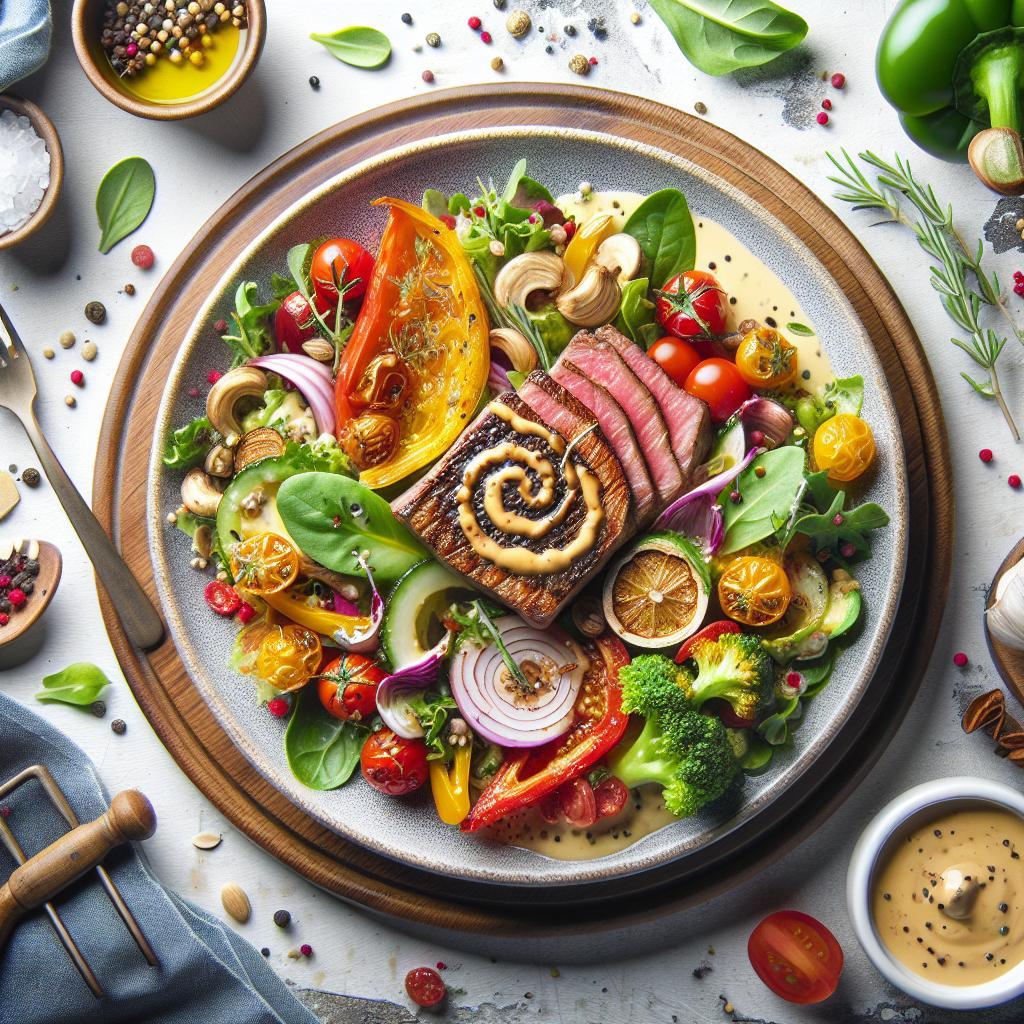

There is a world of flavor inside every savory sauce, ready to elevate simple ingredients into memorable dishes. This guide gives practical techniques, classic formulas, and chef-tested tips so you can produce consistent, restaurant-quality sauces at home.
- Learn 10 foundational sauces that cover most Western and global flavor systems.
- Master texture control with roux, emulsions, and reductions for silky results.
- Use acid and umami to balance richness and highlight savory notes.
- Repurpose leftovers to save time while boosting flavor across meals.
Dip Into Delight centers on understanding flavor foundations and reliable technique. With basic chemistry and correct timing, you transform simple ingredients into complex sauces that highlight any main component.
Prep and Cook Time
Preparation: 15 minutes usually covers mise en place, chopping aromatics, and warming stock. Good prep speeds execution and reduces mistakes.
Cooking: 20 minutes for a basic enriched sauce like a béchamel-based pan sauce. Faster reductions require focused attention to avoid over-reduction.
Yield
This recipe yields enough sauce for four servings when used as a finishing drizzle or accompaniment. Adjust quantity by scaling liquids and thickening agent proportionally.
When storing, expect slight thickening; reheat gently and whisk in a splash of warm stock to return texture. Freeze small portions for longer storage.
Difficulty Level
Overall skill: medium. You need basic knife skills and an understanding of heat control. The payoff justifies the learning curve.
With practice, timing and seasoning become intuitive. Even cooks new to sauces can succeed by following steps and tasting frequently.
Ingredients
These ingredients form a classic, versatile sauce that can act as a foundation for many variations. Keep mise en place tidy to move quickly through hot stages.
Substitutions exist for dietary needs, and small changes to stock, fat, or acid quickly change the final profile. Use stocked, warm liquids for smooth integration.
- 3 tablespoons unsalted butter
- 3 tablespoons all-purpose flour, sifted
- 2 cups low-sodium chicken or vegetable broth, warmed
- 1 small shallot, finely minced
- 1 garlic clove, minced
- 1 teaspoon fresh thyme leaves
- Salt and freshly ground black pepper, to taste
- 1 teaspoon Dijon mustard
- 2 tablespoons heavy cream (optional for extra silkiness)
- 1 tablespoon finely chopped fresh parsley (for garnish)
Instructions
Start by melting butter over medium heat in a saucepan until it foams lightly. Then add shallot and garlic, sautéing until translucent but not browned; this builds a clean aromatic base.
Whisk in sifted flour quickly and evenly to form a smooth roux, cooking it for about three minutes to remove raw flour taste. Use constant whisking to avoid lumps and to achieve a glossy paste.
Technique: Gradual Incorporation
Slowly pour warm broth in a thin stream while whisking vigorously to prevent lumps and to form a stable emulsion. Continue whisking as the sauce comes to a gentle simmer and thickens, typically eight minutes.
Add thyme, Dijon, salt, and pepper in stages, tasting after each adjustment. If using cream, fold it in near the end and simmer for two minutes to integrate silkiness without breaking the sauce.
Remove the pan from heat and rest briefly before final seasoning. Garnish with parsley and serve or hold warm over low heat, stirring occasionally to maintain texture.
Mastering the Roux (H3 Details)
A proper roux relies on balanced fat and flour cooked to the desired color. For white sauces, cook briefly; for nutty brown sauces, extend cooking while monitoring aroma to avoid burning.
Heat control matters: medium heat gives you time to whisk without scorching. Also, warm liquids combine more smoothly with a roux than cold ones, reducing graininess and ensuring a satin finish.
Tips for Success
Taste frequently and adjust seasoning gradually. Layering salt and acid at the end brightens flavors far more effectively than salting early and forgetting to re-taste.
Straining the finished sauce through a fine mesh removes any remaining solids and elevates mouthfeel. Use this step for dressings and refined finishes when clarity matters.
For dairy-free versions, swap butter and cream for neutral oil and coconut cream or blended cashews; adjust seasoning to compensate for sweetness. Reheat gently and thin with stock if the sauce thickens when chilled.
Serving Suggestions
Use this sauce as a base for roasted chicken, grilled vegetables, or pan-seared fish. It adapts to stronger proteins when you increase reduction time and add concentrated stock.
Also drizzle over steamed greens or roasted potatoes for comfort with finesse. For a bright contrast, finish with a twist of lemon zest or a few drops of vinegar to cut through richness.
Variations and Pairings
Classic white sauce techniques produce béchamel-style sauces; study béchamel variants to transform this base into cheese or mustard sauces. Each addition changes texture and use.
For herb-forward finishes, swap thyme for parsley, tarragon, or a chimichurri-style herb mix. Explore chimichurri to learn fresh herb vinaigrettes that contrast heavy, reduced sauces.
Nutritional Snapshot
Per serving, expect moderate calories driven by fat in butter and cream. Reduce calories by lowering fat and using lighter dairy or plant-based substitutes.
Adjust sodium by choosing low-sodium stock and seasoning at the table. Small ingredient swaps can halve calories and still deliver satisfying mouthfeel.
| Nutrient | Per Serving |
|---|---|
| Calories | 150 |
| Protein | 3g |
| Carbohydrates | 8g |
| Fat | 11g |
Q&A
Below are focused answers to common practical questions about sauce technique and use. Each response gives direct steps or reasons so you can act immediately in the kitchen.
The goal is clarity: know why a step exists, then apply small, repeatable adjustments to get the result you want every time.
Q1: What makes a sauce savory and satisfying?
A1: Savory sauces balance depth and umami with acid and aromatics. Using roasted components and controlled reductions concentrates flavor while a small touch of acid brings clarity.
Q2: Which ingredients are essential for a versatile savory sauce?
A2: Aromatics like garlic and shallot, a fat source for mouthfeel, stock for body, and acid for lift form the core. Consider umami enhancers when you need deeper savory notes; study umami fundamentals for options.
Q3: How do I turn a good sauce into an unforgettable one?
A3: Layer flavors: sweat aromatics slowly, add concentrated stock, finish with a bright acid and a fat for sheen. Small components like a roasted garlic puree or a touch of miso can transform the profile.
Q4: What quick no-cook sauces work well for busy days?
A4: Emulsion-based dressings like tahini-lemon or herb vinaigrettes require no heat and deliver fresh intensity. Keep a jarred base and amplify it with fresh citrus or herbs at service.
Wrapping Up
Sauces reward technical attention with dramatic returns in flavor and presentation. Consistent stirring, patient tasting, and measured seasoning produce repeatable results.
Practice the basics—roux control, emulsification, and reduction—and you gain the tools to craft a broad range of sauces. Explore, adjust, and record outcomes so your next attempt improves predictably.
FAQ
How do I fix a lumpy sauce?
Whisk vigorously over low heat and add a splash of warm stock as you whisk. If lumps persist, push the sauce through a fine mesh strainer for immediate smoothing.
Can I prepare sauces ahead of time?
Yes. Cool quickly, then chill or freeze in portions. Reheat gently over low heat, thinning with warm stock or water and whisking to restore texture.
What is the shelf life for homemade sauces?
Refrigerated, most cream-based sauces last 3–4 days. Acid-based or oil-emulsion sauces may last longer; freezing extends life but can change texture slightly.
How do I balance acidity and richness?
Add acid gradually, tasting after each small addition. A bright touch of lemon or vinegar at the end lifts richness without overtly dominating the profile.
Which classic sauces should every cook learn first?
Start with mother sauces and key derivatives: a white sauce based on roux, a pan sauce reduced from stock, and an emulsion like an aioli. For classical technique, review demi-glace methods to understand reduction and concentration.
See also: savory sauces