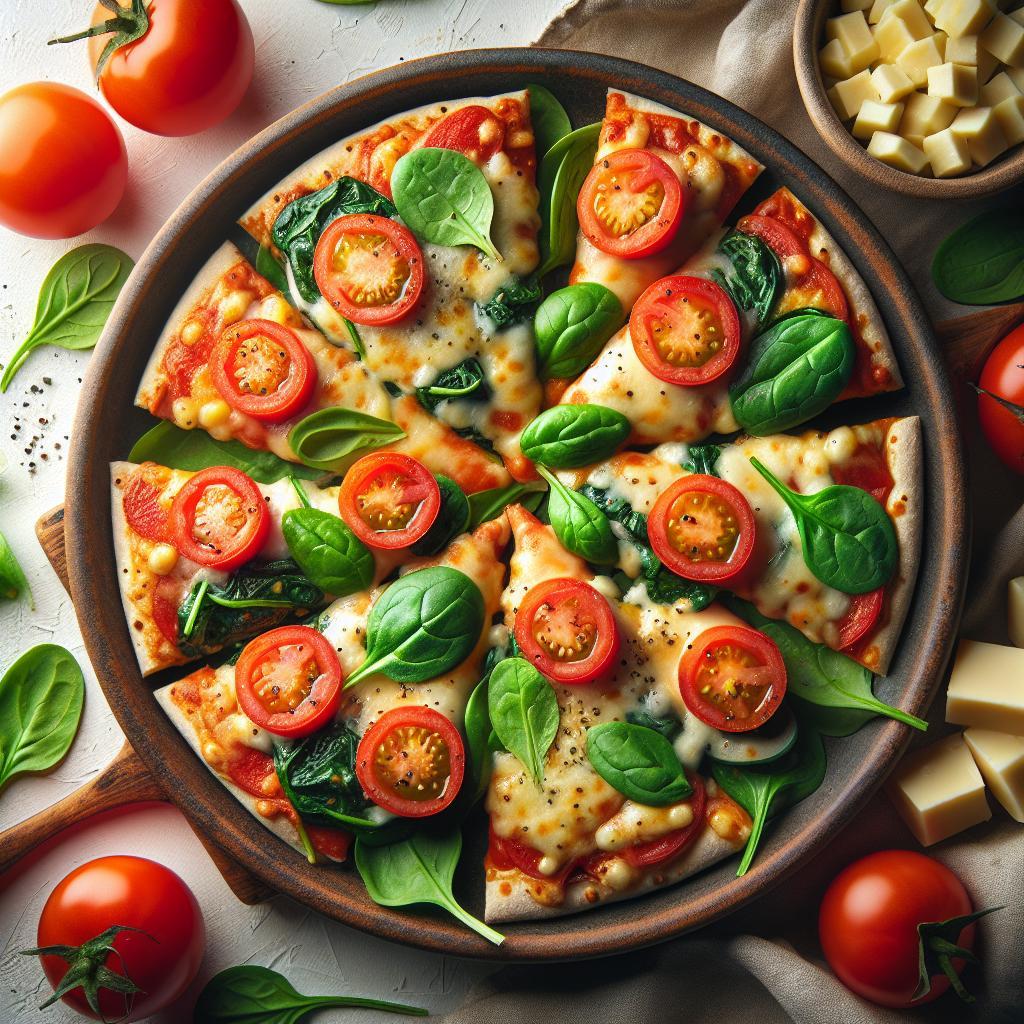

When pizza meets creative dipping, the result becomes a highly shareable, hands-on dining style that heightens flavor contrast and texture. This Dip Pizza approach turns every bite into a small experiment, encouraging diners to pair crust, toppings, and sauce for tailored tastes.
- Pairing power: Dips can sharpen or mellow toppings for dramatic contrast.
- Shareability: Dippable pieces make communal eating simple and social.
- Adaptable: Easily fits gluten-free, vegan, and protein-focused menus.
- Visual appeal: Dip boards photograph well and drive viewer engagement.
Dip Pizza builds on classic principles of balance: a crisp crust, controlled sauce, and well-layered toppings. For technical background, consider the fundamentals of pizza construction and how crust-to-topping ratio affects texture.
Prep and Cook Time
Preparation: 20 minutes. Prepare dips while dough rests so no time is wasted and flavors meld. Keep tasks parallel to reduce total time.
Cooking: 15 minutes in a hot oven at 475°F (245°C). If you have a pizza stone, use it to improve heat transfer and achieve a crisper base.
Total Time: 35 minutes. This includes a short rest after baking so the base firms for dipping. Timing keeps the pizza dippable rather than floppy.
Yield
Serves 4 hungry dip pizza lovers when cut into dippable wedges. Plan for roughly 3 to 4 small wedges per person if serving other sides.
Scale easily: double dough and dips to feed a crowd, and arrange on multiple boards to encourage variety and circulation. Presentation influences how guests explore combinations.
Difficulty Level
Easy to Medium: this method emphasizes assembly and pairing rather than advanced dough techniques. Home cooks can rely on store-bought dough or follow a simple dough recipe.
For bakers wanting higher precision, practice dough hydration and oven temperature control to dial in the crust. Small adjustments yield crispier edges and a sturdier base for dipping.
Ingredients
Below are the components for a classic Dip Pizza with bright, complementary dips. Adjust quantities to scale the meal or to fit dietary needs.
Use high-quality ingredients for visible impact: whole-milk mozzarella, bright basil, and shelf-stable sun-dried tomatoes raise the flavor baseline substantially.
- 1 pizza dough ball (12-inch size), store-bought or homemade
- 1 cup shredded mozzarella cheese, preferably whole milk for creaminess
- 1/2 cup marinara sauce, smooth and rich
- 1/4 cup creamy garlic aioli (recipe below)
- 1/4 cup basil pesto, fresh and vibrant
- 100 g baby spinach, lightly sautéed
- 1/2 cup sun-dried tomatoes, chopped
- 1/4 cup Kalamata olives, pitted and sliced
- 1 tablespoon olive oil, for brushing
- Salt and fresh cracked black pepper, to taste
For the Creamy Garlic Aioli Dip
1/4 cup mayonnaise
1 garlic clove, finely minced; 1 tsp lemon juice; pinch of salt. Whisk until smooth and chill to let flavors integrate.
Instructions
Follow these steps to build a stable, dippable pizza that holds up to repeated dunking. Staging the components in advance reduces stress at service time.
Work on a floured surface and keep tools nearby: a pizza peel or parchment-lined tray, a sharp cutter, and small ramekins for dips will streamline the process.
- Preheat your oven to 475°F (245°C). Place a pizza stone or heavy baking tray inside to heat for a crispier base.
- Roll out the pizza dough on a lightly floured surface to a 12-inch circle. Transfer carefully onto a parchment paper–lined baking tray.
- Brush the edges with olive oil, then spread the marinara sauce evenly, leaving a 1-inch border for the crust.
- Sprinkle the mozzarella evenly over the sauce to provide even melt and adhesion for toppings.
- Add toppings: scatter sautéed baby spinach, sun-dried tomatoes, and Kalamata olives for bursts of color and flavor.
- Bake for 12–15 minutes or until the crust is golden and the cheese bubbles and chars slightly.
- Prepare dips while the pizza bakes. Mix mayonnaise, minced garlic, lemon juice, and salt for the aioli. Place pesto and aioli in separate ramekins.
- Rest the pizza for 3 minutes after baking so the base firms and toppings set for dipping.
- Slice into wedges and serve with dips on the side. Encourage guests to mix and match combinations for a playful experience.
Tips for Success: Unlocking the Perfect Flavor Combinations
Conscious pairing makes Dip Pizza shine. Match texture and acidity: creamy dips tame spicy toppings, while acidic or herbaceous sauces lift fatty bites.
Offer a variety of dip textures—emulsified, creamy, and oil-based—to cover a range of contrasts for different toppings and palates.
To broaden accessibility, provide a gluten-free crust or a cauliflower base and clearly label dip ingredients. This ensures guests can safely sample combinations.
For herb-driven dips, blend basil or parsley last to preserve color and volatile oils. Avoid overheating pesto when finishing a hot pizza; add it off-heat to retain brightness.
Serving Suggestions
Arrange dippable wedges on a wide wooden board with separate ramekins for each sauce. This setup invites communal tasting and visual variety.
Garnish ramekins with a basil leaf or a light dusting of grated cheese to signal flavor profiles. Offer a crisp green salad or marinated vegetables as palette cleansers between bites.
| Nutrient | Per Serving |
|---|---|
| Calories | 420 kcal |
| Protein | 18 g |
| Carbohydrates | 45 g |
| Fat | 18 g |
For technique-focused readers, review the mechanics of emulsification and temperature control when making aioli. The process relies on stable emulsions to stay smooth under service conditions.
To expand culinary context, see the historic sauces and condiments that inform modern pizza toppings like marinara sauce and regional herb blends. These references clarify flavor origins and pairing logic.

Q&A
This section answers practical questions about the Dip Pizza format and how it contrasts with traditional pizza service. Each answer focuses on implementation and guest experience.
Use these responses to guide menu decisions, batch cooking, and presentation strategies when introducing Dip Pizza to a group or menu.
A1: Dip Pizza presents pizza as dippable pieces with complementary sauces placed alongside. The format emphasizes tasting, contrast, and personalized bites.
Q2: How does Dip Pizza differ from regular pizza?
A2: Instead of a single-slice experience, Dip Pizza encourages modular flavor mixing and sharing. It deliberately balances crust structure and sauce quantity so pieces hold up when dipped.
Q3: Can Dip Pizza cater to dietary restrictions?
A3: Yes. Swap to gluten-free crusts or plant-based cheeses and label dips for allergens. For background on alternatives, consult general resources on gluten-free diets.
Wrapping Up
Dip Pizza takes a familiar favorite and turns it into a dynamic, social meal that highlights pairing and play. It rewards small experiments and keeps guests engaged throughout the meal.
Whether you serve Dip Pizza for casual game nights or curated tasting events, focus on texture, heat management, and crisp presentation to maximize enjoyment and repeat orders.
FAQ
What is the best crust type for Dip Pizza?
Choose a thin-to-medium crust with low hydration that crisps quickly. A stiffer edge helps hold dips without collapsing.
How should dips be stored before service?
Keep mayonnaise-based and dairy dips chilled until service. Prepare oil- and herb-based sauces earlier; hold them refrigerated and bring to cool-room temperature for best aromatics.
Can I make dips ahead of time?
Yes. Many dips improve after resting 12–24 hours as flavors meld. Label and refrigerate in airtight containers to retain freshness.
Which dips pair well with spicy toppings?
Cool, tangy dips like garlic aioli or yogurt-based herb sauces tame heat. A citrus-bright vinaigrette also cuts fat and refreshes the palate.
Is Dip Pizza suitable for large events?
Absolutely. Scale dough and dips, and set multiple stations so guests circulate. Offer clear signage and allergen notes to keep service safe and fast.
For a quick primer on herb-based sauces, check the culinary profile of pesto. For emulsions like aioli, consult the overview on aioli to understand stability and flavor balance.
See also: Dip Pizza