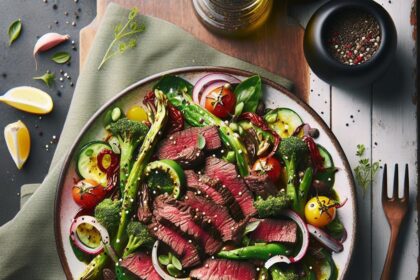
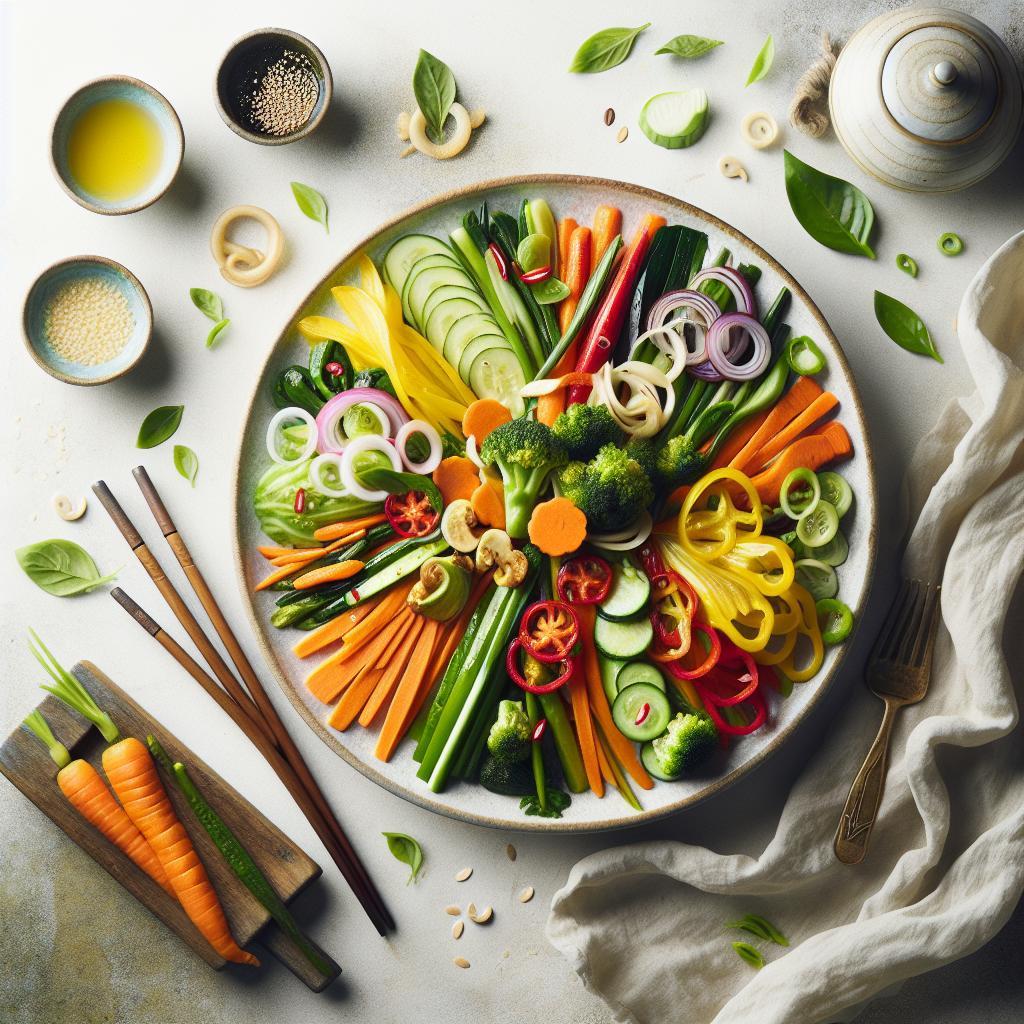

Step onto a colorful plate where texture, aroma, and balanced seasoning define every bite. Vegetable Oriental cuisine celebrates fresh produce, quick high-heat cooking, and layered umami to create meals that feel both light and deeply satisfying. This guide preserves the original recipe and expands on technique, timing, and presentation so you can reproduce restaurant-quality results at home.
- Fast, high-heat techniques lock color and crunch while concentrating flavor.
- Simple sauces built from soy, vinegar, sesame, and a touch of sugar deliver complex umami.
- Prep-first workflow is essential — mise en place prevents overcooking.
- Swap seasonally to use the freshest produce and vary textures.
Introduction to Vegetable Oriental Cuisine
Vegetable Oriental cuisine centers on vegetables as the primary driver of flavor and texture. Chefs emphasize crisp-tender results, aromatic seasonings, and balanced condiments to amplify natural sweetness and umami. For technique background, consult stir-frying as a foundational method that shapes this cooking style.
The cuisine draws from multiple regional traditions across East and Southeast Asia, each contributing sauces, aromatics, and vegetable choices. Ingredients like soy products and sesame oils supply fermented and toasted notes that round dishes without heavy sauces. For context on fermented seasonings, see soy sauce and their role in umami-rich cooking.
Prep and Cook Time
Preparation: 20 minutes. Cooking: 25 minutes. These times reflect a short, high-intensity cooking window that preserves color and bite.
Accurate timing depends on uniform cutting and a hot wok or skillet. Always have your sauce measured and within arm’s reach before heat, since the final cook sequence moves quickly.
Yield
Serves 4 hearty portions when paired with rice or noodles. This vegetable-centric main works equally well as a side when accompanied by protein dishes.
Leftovers keep well for one day when cooled rapidly and refrigerated in an airtight container. Reheat briefly over high heat to avoid sogginess and to refresh the aromatics.
Difficulty Level
Medium. The techniques require attention to heat control and sequencing, but they are achievable for committed home cooks. Practice improves timing and flavor balance quickly.
Key skill areas include controlling pan temperature, uniform knife work, and tasting for balance as you finish the sauce. These skills transfer to many other quick-cook vegetable dishes.
Ingredients
Below is a standard ingredient list for a vibrant vegetable stir-fry. Quantities can be scaled; maintain relative ratios for sauce balance.
- 2 cups broccoli florets, fresh and firm
- 1 cup julienned carrots, peeled
- 1 cup shiitake mushrooms, sliced
- 1 large red bell pepper, thinly sliced
- 1 cup baby bok choy, halved
- 1 medium yellow onion, thinly sliced
- 3 cloves garlic, minced
- 1 tablespoon fresh ginger, grated
- 3 tablespoons neutral vegetable oil
- 2 tablespoons soy sauce
- 1 tablespoon toasted sesame oil
- 1 tablespoon rice vinegar
- 1 teaspoon brown sugar
- 1 teaspoon chili garlic sauce (optional)
- Salt and freshly ground black pepper, to taste
- 2 green onions, thinly sliced for garnish
- 1 tablespoon toasted sesame seeds, for garnish
For vegetable context, read about bok choy to understand its texture and ideal cooking time. Substitute seasonal vegetables while keeping cut size consistent for even cooking.
Instructions
1. Prepare your vegetables. Rinse, trim, and cut all items to uniform sizes. Uniform pieces ensure simultaneous cooking and consistent texture.
2. Heat the wok or skillet. Bring the pan to medium-high until lightly smoking, then add oil and swirl to coat. When the oil shimmers, add garlic and ginger and sauté for about 20–30 seconds until fragrant.
Stir-fry Sequence and Sauce Finish
3. Add firm vegetables first. Start with onions and carrots, stir-frying until onions become translucent and carrots begin to soften. Continue by adding broccoli and mushrooms, maintaining high heat and constant movement.
4. Add tender items last. Add bell pepper and baby bok choy, stir briefly to wilt the greens while keeping peppers crisp. Toss continuously to prevent scorching and to promote even glazing.
5. Combine and glaze. Mix soy sauce, rice vinegar, brown sugar, and optional chili sauce in a small bowl. Pour over vegetables and toss until the sauce reduces slightly and coats pieces.
6. Finish and serve. Remove from heat, drizzle toasted sesame oil, and season with salt and pepper. Garnish with green onions and sesame seeds. Serve immediately with rice or noodles.
A short rest after plating lets the aroma settle and the sauce adhere properly to the vegetables. Taste during finishing and adjust acidity or salt by adding tiny increments of vinegar or soy sauce.
Tips for Success
Maintain high heat and have all ingredients prepped before you start. Stir-frying is a fast technique; any delay risks overcooking delicate items.
Cut vegetables to uniform thickness and size so they cook at the same rate. Use a flat-bottomed wok or a heavy skillet with a large surface area to ensure rapid evaporation and crisp results.
For greater umami depth, consider a splash of mushroom soy or a vegetarian oyster sauce, which contribute savory complexity without overwhelming freshness. Learn more about the concept of umami to balance your sauces effectively.
Serving Suggestions
Serve the stir-fry over steamed jasmine rice or tossed with long noodles for a complete meal. Bright garnishes such as fresh herbs and citrus lift the dish and add a contrasting aromatic note.
Recommended herbs include cilantro or Thai basil depending on the regional flavor profile you seek. For a crunchy finish, scatter toasted peanuts or cashews just before serving to add texture contrast.
Nutritional Information
This vegetable stir-fry delivers a moderate calorie count while offering fiber, vitamins, and plant-based nutrients. The dish remains lower in fat when oil is kept to the minimum needed for high-heat searing.
| Nutritional Info (per serving) | Calories | Protein | Carbs | Fat |
|---|---|---|---|---|
| Vegetable Oriental Stir-fry | 180 kcal | 5 g | 20 g | 8 g |
Adjust portions and rice ratios to match caloric needs. Adding tofu or tempeh raises protein and can make the dish more filling for balanced meal planning.
Further Reading and Source Notes
For historical and technique context, review culinary entries on stir-frying and background on core seasonings like sesame oil. These references explain why rapid, hot cooking favors texture and flavor retention.
Regional variations exist; for example, Southeast Asian versions may emphasize citrus and fresh herbs, while East Asian plates often lean on soy and fermented notes. Explore classic vegetable dishes and adapt seasoning to suit your palate.
Q&A
This Q&A clarifies common questions for cooks transitioning to vegetable-forward Oriental dishes. Each response is concise and practical for immediate application.
What makes vegetable Oriental cuisine distinct?
Vegetable Oriental cuisine emphasizes texture contrast, bright aromatics, and fermented seasonings to enhance vegetable flavors. It relies on quick heat to preserve freshness and deliver concentrated taste.
Which vegetables work best?
Choose a mix of firm and tender vegetables: broccoli, carrots, bell peppers, bok choy, and shiitake mushrooms provide complementary textures. Use seasonal produce to optimize flavor and price.
How do I achieve a glossy sauce without excess oil?
Reduce the sauce by tossing it briefly in the hot pan, and finish with a small drizzle of toasted sesame oil. A touch of sugar helps the sauce gloss without needing extra fat.
Can these dishes be made vegan and still be flavorful?
Yes. Use vegetarian oyster sauce or mushroom-based alternatives for depth, and rely on umami-rich soy and fermented condiments to replace animal-based flavors.
How should I store leftovers?
Cool quickly and refrigerate in an airtight container for up to 24 hours. Reheat briefly over high heat to restore texture; avoid microwaving for long periods to prevent sogginess.
In Summary
Vegetable Oriental cooking rewards precision: sharp knife work, hot pans, and measured sauces create lively, textured dishes. With routine practice, timing and balance become intuitive and the results grow reliably vibrant.
Adopt the prep-first mindset, test small sauce adjustments during finishing, and use seasonal swaps to keep your repertoire fresh. These practical habits will raise both weekday dinners and special meals to a consistently high level.

See also: Vegetable Oriental