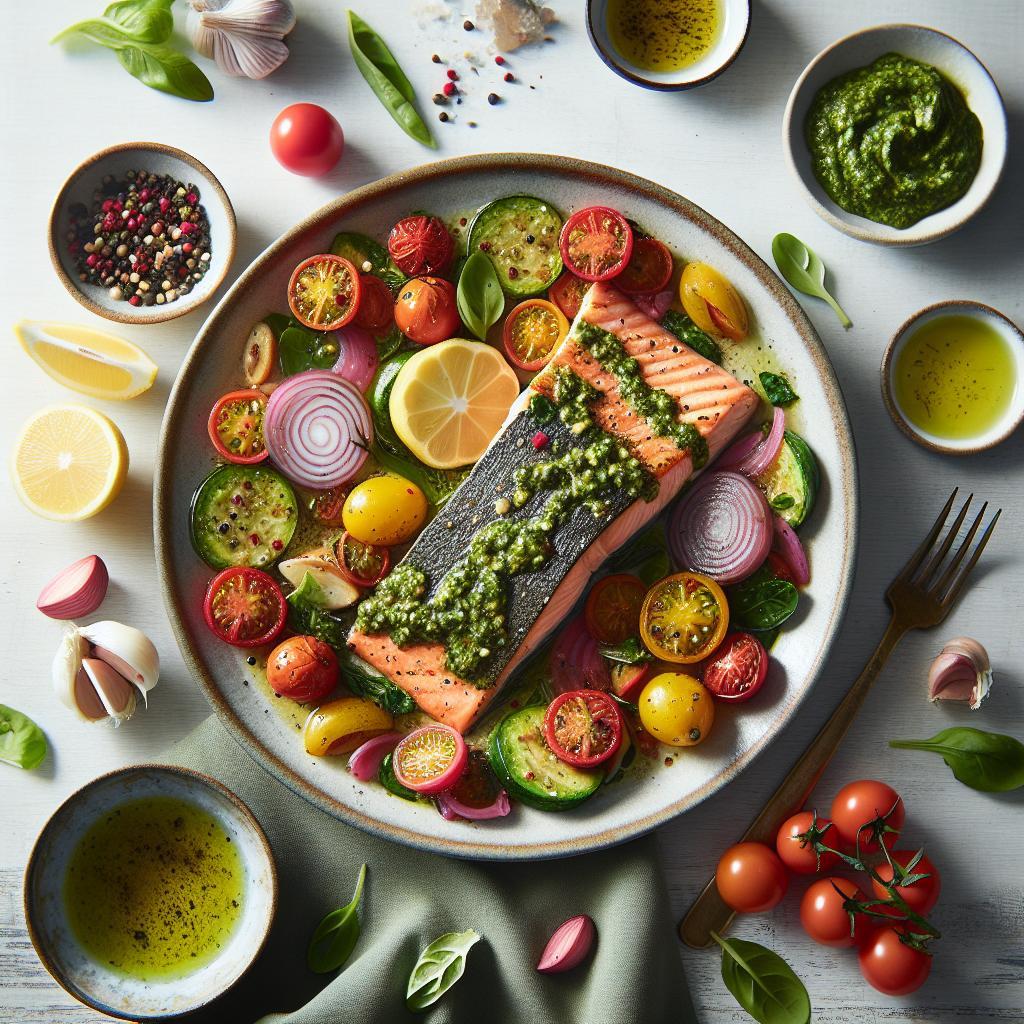

Imagine a weeknight dinner that pairs bright, herb-forward flavor with one-pan simplicity. This sheet pan pesto salmon recipe lets you roast salmon fillets and vegetables together for fast cleanup and consistent results.
- Fast prep: Ready in about 35 minutes from start to finish.
- One-pan cook: Salmon and vegetables roast together for easy cleanup.
- Flavor-forward: Fresh pesto locks in herb aroma and richness.
- Versatile: Swap vegetables and nuts to suit seasonality and taste.
Overview: Why this method works
Roasting salmon with a herb-rich pesto creates a concentrated flavor profile while preserving moisture in the fillet. The pesto forms a protective, flavorful layer that helps prevent overcooking the fish.
Using a single sheet pan speeds the process from prep to plating and reduces dishes. For equipment context, a standard baking sheet or rimmed sheet pan performs best: it delivers even heat and room for vegetables.
Prep and Cook Time
Preparation: 15 minutes. This includes blitzing the pesto and prepping vegetables. Simple mise en place keeps the assembly fast.
Cooking: 18–20 minutes at 400°F (200°C) for tender, flaky fillets and slightly caramelized vegetables. Total cook time can vary by thickness of the fish.
Yield
This recipe serves 4 generously when using 6-ounce fillets. It works equally well scaled up for small dinner parties.
Leftovers store well and make a quick lunch—reheat gently to avoid drying the salmon. Keep pesto separate when you plan to reheat for best texture.
Difficulty Level
Level: Easy. The technique focuses on simple assembly and reliable roasting times. Minimal skills are required: basic chopping, a food processor pulse, and oven timing.
Beginners benefit from the one-pan format because it reduces steps and gives a forgiving margin on roast times. Intermediate cooks can fine-tune seasonings and garnish choices.
Ingredients
These components form the backbone of the dish: fresh salmon, a bright pesto, and quick-roasting vegetables. Use firm, sushi-grade or market-fresh fillets for the best texture.
Swap ingredients as needed for allergies or availability while keeping the balance of fat, acid, and herbal brightness intact.
- 4 salmon fillets (6 oz each), skin-on
- 1 cup fresh basil leaves, tightly packed
- 1/4 cup pine nuts (or walnuts for budget-friendly swap)
- 2 garlic cloves, peeled
- 1/3 cup extra-virgin olive oil
- 1 tbsp fresh lemon juice
- Salt and freshly ground black pepper, to taste
- 1 pint cherry tomatoes, halved
- 1 medium zucchini, sliced into rounds
- 1/4 cup freshly grated Parmesan (optional garnish)
- 1/2 tsp crushed red pepper flakes (optional)
Instructions
Follow a clear sequence: preheat, make the pesto, assemble, then roast. Each step complements the others to protect the salmon and coax caramelization from the vegetables.
Work efficiently: while the oven heats, blitz the pesto and slice vegetables. This reduces idle time and keeps the fish at room temperature for even cooking.
Step 1 — Preheat and prep the pan
Preheat your oven to 400°F (200°C). Line a rimmed sheet pan with parchment or a silicone mat to catch drips and simplify cleanup.
Arrange the fillets skin-side down in the center of the pan, leaving space around them for vegetables to roast evenly. Overcrowding leads to steaming, not roasting.
Step 2 — Make the pesto
In a food processor, pulse basil, toasted pine nuts, garlic, and lemon juice until coarsely combined. Slowly stream in olive oil while processing until you reach a smooth, vibrant sauce.
Taste and adjust salt, pepper, or lemon to sharpen the profile. If the pesto is too thick, thin with a tablespoon of warm water or additional oil for easy spreading.
Step 3 — Assemble and roast
Lightly season the salmon with salt and pepper. Generously spread pesto over the tops of the fillets and arrange the tomatoes and zucchini around the fish.
Drizzle vegetables with a touch of olive oil and scatter red pepper flakes if using. Roast 18–20 minutes, checking at 12 minutes for thinner fillets; salmon should flake easily when done.
Timing notes
For fillets thicker than 1 inch, add 2–4 minutes of roasting time. Use a thermometer if desired: 125–130°F yields moist, slightly rare center; 135–140°F gives a firmer finish.
Allow the fish to rest 2 minutes after removing from oven; residual heat finishes the cook and helps the juices redistribute.
Tips for Success
Small technique choices yield consistent results. For example, leaving skin on locks in moisture and makes serving easier if you crisp it slightly.
Toast nuts briefly to deepen flavor, and use fresh basil for the brightest pesto color and aroma. A squeeze of lemon at the end freshens the whole plate.
When preparing vegetables, aim for uniform thickness so everything finishes at the same time. Thinly sliced zucchini and halved cherry tomatoes are reliable choices.
Serving Suggestions
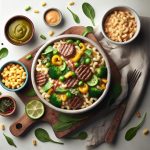
Serve the pesto salmon with a crisp salad or a whole-grain side to balance richness. Arugula with lemon vinaigrette or steamed quinoa both soak up savory pesto juices well.
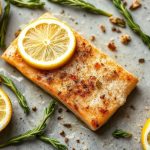
For presentation, finish with toasted pine nuts, extra basil leaves, and a lemon wedge. A final drizzle of quality olive oil adds shine and depth.
Nutritional Snapshot
Salmon provides omega-3 fatty acids, high-quality protein, and vitamin D. Pesto contributes fat and antioxidants from nuts, herbs, and olive oil.
Per serving, a typical plating with vegetables contains about 420 calories, ~35 g protein, ~8 g carbohydrates, and ~28 g fat, depending on portion size and exact ingredients.
| Nutrient | Per Serving |
|---|---|
| Calories | 420 |
| Protein | 35 g |
| Carbohydrates | 8 g |
| Fat | 28 g |
Variations and Substitutions
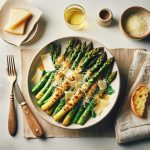
Swap pine nuts for walnuts or almonds to shift texture and cost. Use different vegetables—such as asparagus or bell peppers—to match produce in season.
For a dairy-free approach, omit Parmesan or use a nutritional yeast sprinkle. For nut-free pesto, sunflower seeds or roasted chickpeas create a similar body.
Frequently Asked Questions (FAQ)
What makes sheet pan pesto salmon ideal for weeknights?
It minimizes hands-on time while delivering bold flavor. One pan handles protein and vegetables together, which reduces cleanup and speeds service.
The recipe works with pantry-stable shortcuts such as store-bought pesto, though fresh pesto yields a brighter aroma and color.
Can I use frozen salmon fillets?
Yes, but thaw them completely and pat dry before seasoning. Excess moisture prevents proper browning and dilutes the pesto during roasting.
Thawed fillets may need a minute or two less in the oven if they are thinner. Use a digital thermometer for the most reliable results.
Is homemade pesto necessary?
Homemade pesto gives the best flavor control—you can balance acid, garlic, and nut character. Still, a high-quality store-bought pesto will save prep time and still taste excellent.
To refresh a jarred pesto, brighten it with a squeeze of lemon and a tablespoon of chopped fresh basil before spreading on the fish.
How can I keep salmon moist while roasting?
Leave the skin on and roast at moderately high heat for a relatively short time. Spread pesto over the top to form a flavorful barrier that helps retain juices.
Avoid overcooking by checking the fillet at 12 minutes for thinner cuts. Rest the fish briefly after removal so the juices redistribute.
What are good make-ahead options for this dish?
Prepare the pesto 1–2 days ahead and store in an airtight container topped with a thin layer of oil to prevent darkening. Chop vegetables and refrigerate separately.
Assemble the sheet pan right before roasting for best texture. Fully cooked leftovers reheat gently and pair well with salads or grains.
Explore more one-pan dinner ideas on the site: Easy sheet pan dinners. For background on pesto and classic preparation methods, see the canonical information on pesto.
To learn more about salmon species and sustainable sourcing, consult the general overview on salmon. For herb selection and alternatives, refer to the article on basil.
See also: pesto salmon