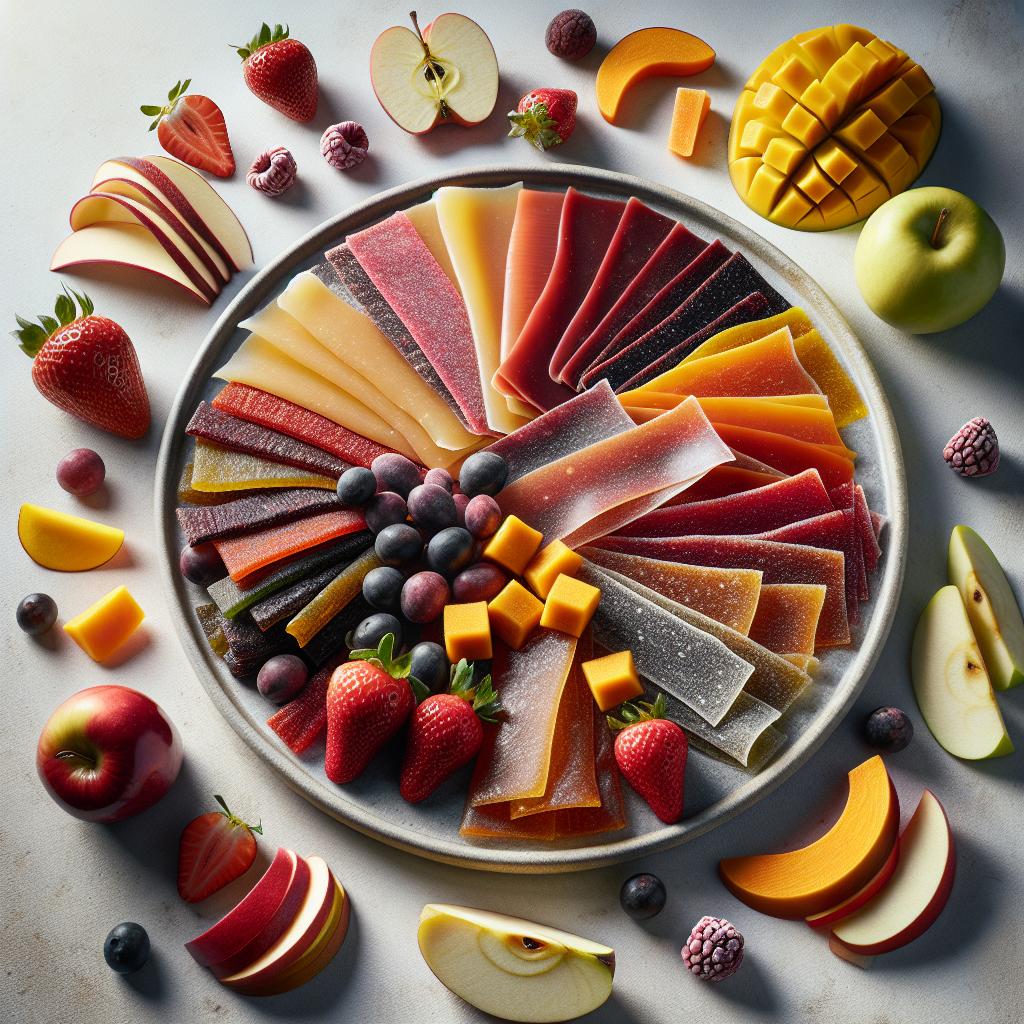

Imagine a world where vibrant bursts of natural sweetness are wrapped into thin, chewy sheets-snacks that capture the essence of sun-kissed orchards and summer gardens, ready to be enjoyed anytime, anywhere. Welcome to the enchanting realm of fruit leather, a timeless treat that transforms humble fruits into delightful, portable bites of joy. Whether you’re a health-conscious foodie or a curious kitchen experimenter, discovering the top fruits that lend themselves perfectly to this chewy, sweet delight will unlock a new dimension of snacking magic. Join us as we delve into the best fruits to craft your own luscious, homemade fruit leathers, bursting with flavor and nutrition in every bite.
Fruit Leather Magic: Top Fruits for Chewy, Sweet Snacks invites you to uncover the fascinating science behind crafting chewy, flavorful fruit leather right in your kitchen. This delightful treat, inspired by ancient preservation methods, blends tradition with modern creativity. The secret lies in understanding how the natural sugars, pectins, and water content of various fruits collaborate during drying to create that irresistible chewiness we all crave.
Prep and Cook Time
- Preparation: 15 minutes
- Drying Time: 6-8 hours (depending on drying method and fruit blend)
- Total Time: Approximately 6 hours 15 minutes to 8 hours 15 minutes
Yield
Yields approx. 4 large rolls (about 8 inches each), perfect for snack packs or gifting.
Difficulty Level
Easy to Medium – Ideal for beginners who want to explore fruit preservation, with room for creative flair.
Ingredients
- 2 cups ripe mango puree (about 3 medium mangoes, peeled and chopped)
- 1 cup ripe kiwi puree (about 3 medium kiwis, peeled)
- 1 tablespoon freshly squeezed lemon juice (preserves freshness and balances sweetness)
- 2 tablespoons honey (optional, enhances natural fruit sweetness)
- 1 teaspoon ground ginger (adds subtle warmth and depth)
Instructions
- Prepare the fruit purees. Using a high-powered blender, puree the mangoes and kiwis separately until smooth, then combine in a large bowl.
- Mix in lemon juice, honey, and ground ginger. Stir thoroughly to ensure flavors marry, which also helps inhibit oxidation and maintains vibrant color.
- Preheat your dehydrator or oven. Set at 140°F (60°C) for a dehydrator or the lowest oven temperature for drying.
- Line a dehydrator tray or baking sheet with non-stick parchment paper or a silicone mat. Pour the fruit mixture evenly to about 1/8-inch thickness.
- Dry the fruit leather. If using an oven, prop the door open slightly for air circulation. Dry 6-8 hours, checking at intervals. It’s ready when the surface is tacky but peels off the paper cleanly.
- Cool briefly before peeling off the fruit leather. Carefully roll it with the parchment paper and slice into snack-sized strips or shapes.
Chef’s Notes
- Choosing Fruits: For ideal chewiness and sweetness, mix fruits high in natural pectin and sugar, like mango, kiwi, banana, or berries.
- Adjusting Sweetness: If your fruit is tart, a drizzle of honey or maple syrup balances the flavor without overpowering.
- Drying Tips: Uniform thickness is crucial to avoid chewy spots or brittle edges.
- Storage: Wrap your fruit leather rolls individually in parchment. Store in an airtight container in a cool place for up to a month.
- Make-Ahead: Prepare large batches and freeze portions wrapped tightly for longer shelf life.
Serving Suggestions
Unroll your freshly dried fruit leather for a naturally sweet, chewy snack that pairs beautifully with nuts, cheese, or a drizzle of dark chocolate. For a fun twist, cut into playful shapes with cookie cutters for kids’ lunchboxes or party favors. Garnish your serving plate with fresh fruit slices and a sprinkle of finely chopped mint to enhance the fruity vibrancy visually and palate-wise.

Nutritional Information (per serving, approx.)
| Calories | Protein | Carbohydrates | Fat |
|---|---|---|---|
| 100 kcal | 1g | 25g | 0.2g |
For more on creative uses of dried fruits in snacks, check out our article on Creative Uses for Dried Fruits. Dive deeper into the science of fruit drying with this detailed resource from the USDA National Institute of Food and Agriculture.
Q&A
Q&A: Fruit Leather Magic – Top Fruits for Chewy, Sweet Snacks
Q1: What exactly is fruit leather, and why is it so magical?
A1: Fruit leather is like nature’s candy-a chewy, sweet snack made by pureeing fruit and drying it into thin, flexible sheets. The magic lies in its simplicity: just fruit (sometimes a touch of sweetener or spice) transformed into a long-lasting treat that captures the essence of freshness in every bite.
Q2: Which fruits work best for making fruit leather?
A2: The best fruits for fruit leather are naturally sweet, slightly tart, and have a smooth texture when pureed. Top contenders include mango, strawberry, apple, peach, and raspberry. Each brings a unique flavor and bright color-imagine golden mango, ruby red strawberry, or sunny peach weaving their taste magic!
Q3: Can I mix fruits to create fun flavor combos?
A3: Absolutely! Mixing fruits is where your creativity shines. Try strawberry-mango for tropical sweetness with a tangy twist, or apple-raspberry for a balanced blend of tart and sweet. The combinations are endless, and blending fruits can enhance texture and flavor complexity.
Q4: How do fruit choices affect the texture of the fruit leather?
A4: Fruits with high pectin like apples create a firmer, more pliable leather, while softer fruits like peaches yield tender, melt-in-your-mouth sheets. If you want extra chewiness, mix in some apple or add a bit of lemon juice to help preserve texture and enhance brightness.
Q5: Are there any fruits to avoid?
A5: Fruits extremely high in water content with large seeds (think watermelon or kiwi) can be tricky because they take longer to dry and might result in grainy textures. However, with pulping and straining, these challenges can be managed if you’re adventurous!
Q6: How do I ensure my fruit leather is perfectly sweet and not overly sticky?
A6: Choosing naturally sweet fruits like ripe mango or peach reduces the need for extra sweeteners. If you want to add sugar or honey, do so sparingly. Dry the leather until it’s just tacky but not wet to the touch-this balance maintains chewiness without stickiness.
Q7: Can fruit leather be a healthy snack?
A7: Definitely! When made from pure fruit without added sugars or artificial preservatives, fruit leather is a fiber-rich, vitamin-packed snack that satisfies sweet cravings the wholesome way. It’s perfect for both kids’ lunchboxes and adult on-the-go munchies.
Q8: What’s the best way to store homemade fruit leather?
A8: Wrap your fruit leather tightly in parchment paper and store it in an airtight container at room temperature. Properly stored, it can last up to a month-ready to unleash magic whenever a sweet tooth calls! For longer shelf life, refrigeration or freezing works wonders.
Q9: Can I spice up my fruit leather for an exotic twist?
A9: Absolutely! Sprinkle in cinnamon, ginger, cardamom, or even a splash of vanilla extract before drying. These warm spices add layers of flavor, turning your fruit leather from simple snack to gourmet delight.
Enjoy turning nature’s bounty into chewy sheets of sunshine with these fruity tips-your taste buds will thank you!
Closing Remarks
As you embark on your fruit leather adventures, remember that the magic truly lies in the vibrant flavors and natural sweetness of the fruits you choose. From the tangy burst of berries to the mellow charm of tropical mangoes, each fruit brings its own character to the chewy canvas. So grab your favorite fruits, experiment with blends, and transform simple slices into irresistible, nutrient-packed snacks. Fruit leather isn’t just a treat-it’s a delicious celebration of nature’s candy, perfect for any time you crave a sweet escape that’s as wholesome as it is enchanting. Happy rolling, and may your fruit leather creations bring a little magic to every bite!