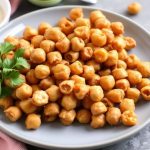
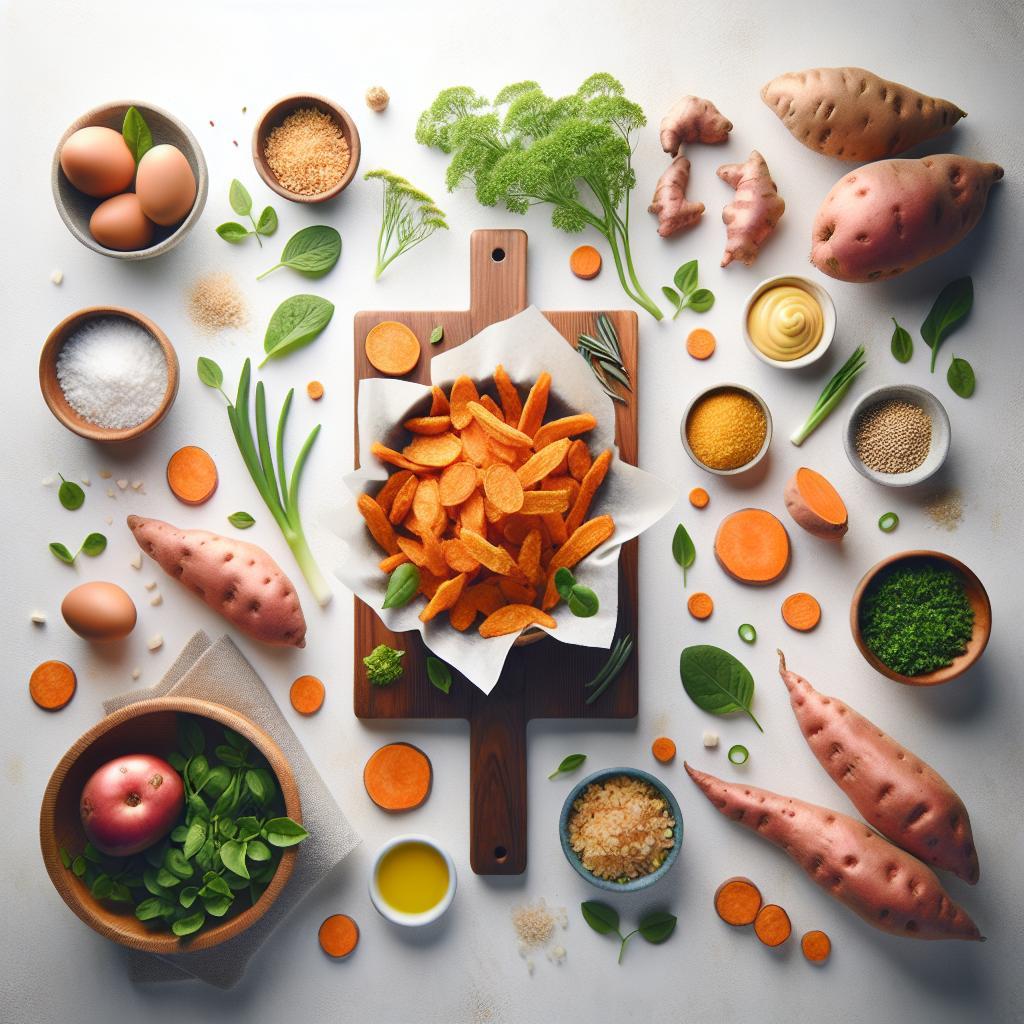

There is a simple kitchen alchemy when sweet potatoes meet hot oil: orange flesh caramelizes while edges crisp into thin, crackling shells. This guide, “Golden Crisps: The Art and Joy of Fried Sweet Potatoes,” focuses on techniques you can use at home to get that restaurant-level crunch and balanced sweetness every time.
- Double-fry method locks moisture inside while delivering a crisp exterior.
- Even cuts and drying reduce frying time and prevent sogginess.
- Precise temperatures create consistent color and limit oil absorption.
- Seasoning timing keeps spices bright and salt evenly distributed.
Overview and Why It Works
Fried sweet potatoes combine a starchy interior and a sugar-rich surface that respond differently to heat. The sugars on the surface caramelize quickly while starch gelatinizes inside, producing a contrasting texture.
Understanding this interaction helps you control color and crunch. For technical background, review the chemistry behind the Maillard reaction and how it contributes to browning.
Prep and Cook Time
Preparation: 15 minutes. Cooking: 20 minutes. These windows assume even strips and a preheated fryer or heavy pan.
Total active time usually runs under 40 minutes from start to finish when you plan batches and salt immediately after frying. Use a thermometer to hit the temperatures below and avoid guesswork.
Yield and Difficulty
This recipe serves four as a side or snack and rates as easy to medium—basic knife work and temperature control make the biggest difference. Good tools are a reliable thermometer and a heavy-bottomed pot or a dedicated deep fryer for safety and steady heat.
If you want to prep ahead, you can soak and dry the cut pieces in advance. Check our internal guide to reheating and healthier techniques at crispy, healthier fries guide for step-by-step options.
Ingredients
Use quality ingredients and measure deliberately. The list below keeps seasoning straightforward so the sweet potato flavor shines through.
Key technical notes: a light dusting of cornstarch and an optional pinch of baking soda change surface texture and help create micro-crispness.
- 3 large sweet potatoes, peeled and cut into 1/4-inch sticks
- 3 cups neutral oil (peanut, vegetable, or refined avocado)
- 1 teaspoon baking soda (optional)
- 1 tablespoon cornstarch
- 1 teaspoon sea salt, plus extra for seasoning
- 1/2 teaspoon smoked paprika
- 1/2 teaspoon garlic powder
- Freshly ground black pepper, to taste
- Fresh herbs like rosemary or thyme for garnish (optional)
Instructions
Follow a two-stage frying process: a lower-temperature first fry cooks through, and a hotter second fry crisps the surface. This technique mirrors professional kitchens and reduces oil uptake.
Before frying, soak cut fries in cold water for 30 minutes to remove excess surface starch. That step improves separation and browning; read more about the role of starch in frying reactions.
Step-by-step Method
1. Rinse, peel, and cut the sweet potatoes into uniform 1/4-inch sticks. Uniformity ensures each piece finishes at the same time.
2. Soak cut fries in cold water for 30 minutes or up to 2 hours; drain and dry thoroughly on a clean towel. Drying removes surface moisture that would otherwise steam and ruin crispness.
3. Toss dried fries lightly with cornstarch and a pinch of salt for a thin, even coating. The cornstarch forms a micro-barrier that crisps faster under hot oil.
4. Heat oil in a heavy-bottomed pot to 325°F (160°C). Fry in small batches for about 4–5 minutes until soft but not browned; drain on paper towels.
5. Increase oil temperature to 375°F (190°C). Return fries in small batches and fry 2–3 minutes until golden and crackling. Stir gently to keep edges separate.
6. Drain briefly and season immediately with sea salt, smoked paprika, garlic powder, and black pepper while the fries are still hot. Hot surfaces hold seasonings better.
Cooking Science and Tools
Precise temperature control prevents excess oil absorption and uneven browning. A reliable thermometer is a small investment that pays off with consistent results.
For background on frying methods, consult the overview of deep frying which explains how oil temperature affects texture and food safety.
[h3]Double-Fry Details[/h3]
First fry cooks the interior without darkening the surface; the second fry dehydrates the outer layer and triggers rapid browning. This two-phase approach is standard in restaurants for a reason.
When you control batch size and temperature, oil thermal recovery stays fast and color remains uniform. Keep batches small enough that the oil temperature drops minimally when fries are added.
Tips for Success
Choose firm sweet potatoes with smooth skins and no soft spots for even texture and predictable moisture. Avoid overly large or irregular tubers that make uniform cutting difficult.
Pat pieces completely dry and handle in small batches to maintain oil temperature. Consider an infrared or probe thermometer for rapid readings.
Season as soon as fries hit the drain rack to help spices adhere to the hot surface. Offer finishing salts and a bright acid (like a squeeze of lime) at the table to balance sweetness.
Serving Suggestions
Golden crisps pair well with simple dips and bold contrasts. Try garlic aioli, chipotle mayo, or a lime-spiked yogurt; the acidity cuts the oiliness and highlights sweetness.
For plating, add crumbled cheese like feta, toasted nuts, or fresh herbs to provide texture variation. These touches turn a snack into a composed side dish or appetizer.
- Crumbled feta and chopped rosemary for savory contrast
- Lime yogurt dip or chipotle mayo to introduce acidity and spice
- Drizzle of honey with flaky sea salt for a sweet-savory finish
For related techniques and healthier alternatives, visit our internal resource on oven and air-fryer options at crispy, healthier fries guide and our make-ahead page at make-ahead sweet potato tips.
Nutrition and Storage
Fried sweet potatoes deliver vitamins and fiber but also absorb frying oils, increasing calories. Portion control and pairing with vegetables make them a balanced accompaniment rather than a main side.
Store cooled fries in a paper towel-lined container at room temperature for the shortest periods. Re-crisp in a hot oven or air fryer to revive texture; refrigeration makes them soggy.
| Nutrient | Per Serving |
|---|---|
| Calories | 220 kcal |
| Protein | 2 g |
| Carbohydrates | 34 g |
| Fat | 8 g |
Q&A
Q1: Why are sweet potatoes ideal for frying?
A1: Their higher sugar content and dense, starchy flesh caramelize and crisp reliably under high heat. For botanical context, see the sweet potato entry which explains varieties and starch profiles.
Q2: How thick should I cut fries for best results?
A2: Aim for uniform 1/4-inch sticks for balanced crisp outside and tender inside. Thinner slices yield chip-like crunch, while thicker sticks create that soft center many people prefer.
Q3: Can I bake or air-fry and still get crispiness?
A3: Yes. Oven or air-fryer techniques reduce oil but require higher initial heat and occasional flipping to approximate deep-fried texture. Use a fine spray of oil and a light dusting of starch for best results.
FAQ
How long should I soak sweet potato sticks?
Soak for 30 minutes to 2 hours to leach surface starch and improve separation. Longer soaks can make the interior slightly softer; balance soak time with desired texture.
What oil is best for frying sweet potatoes?
Choose a neutral oil with a high smoke point such as refined avocado, sunflower, or peanut oil for steady heat and minimal flavor transfer. Avoid unrefined oils that smoke at lower temperatures.
Can I make sweet potato fries ahead of time?
Soak and dry the cut fries ahead; store them cold and dry. Frying is best done just before serving to maintain maximum crispness; reheat briefly in a hot oven if needed.
Why did my fries become soggy after cooling?
Sogginess results from trapped steam or refrigeration. Store at room temperature briefly on absorbent paper and re-crisp in a hot oven or air fryer to restore texture.
How do I calibrate oil temperature without a thermometer?
If you lack a thermometer, test with a small piece of potato: it should sizzle steadily but not explode on contact. Still, a thermometer is the most reliable way to reproduce great results consistently.
These techniques and small technique tweaks let you turn simple tubers into snackable treasures. Use consistent cuts, controlled temperatures, and thoughtful seasoning to make every batch a repeatable success.

See also: sweet potatoes