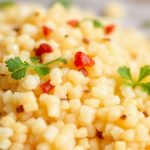
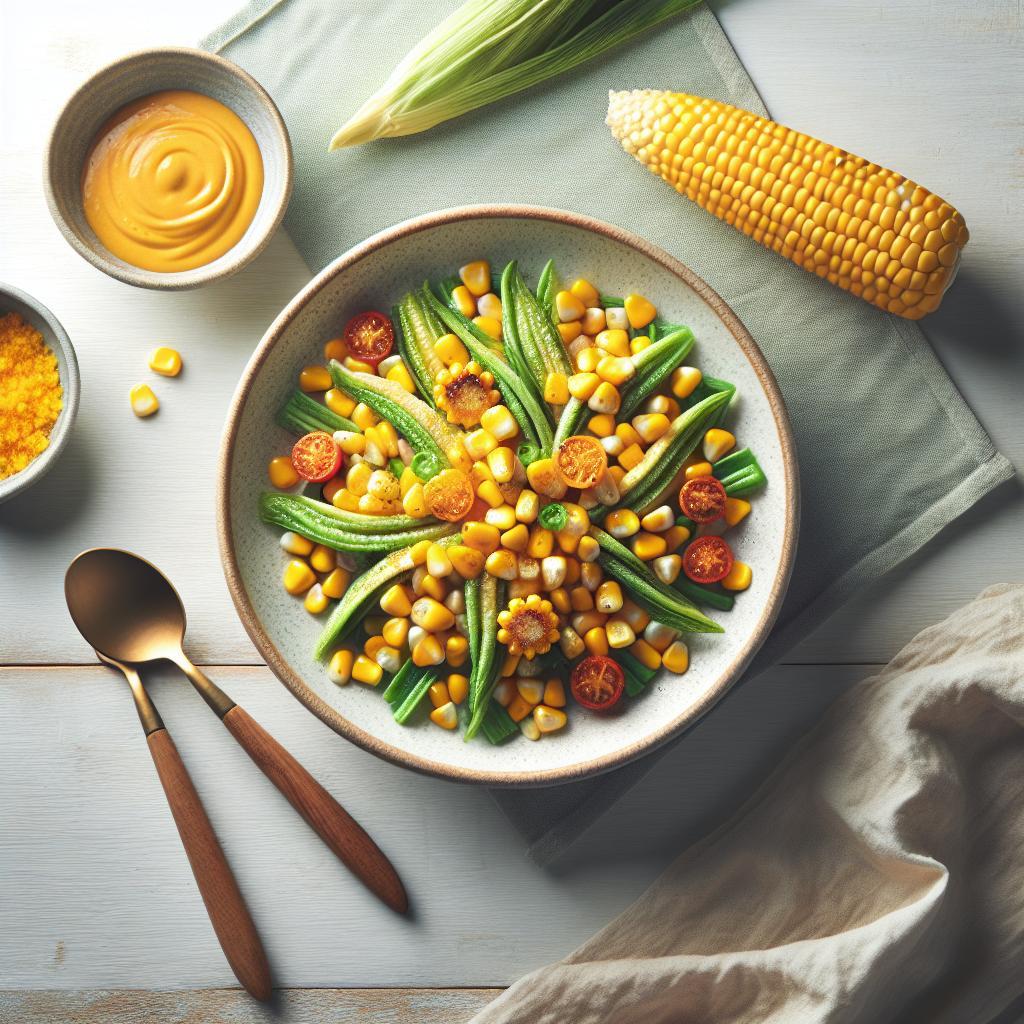

Golden Delight: Mastering the Art of Roasted Corn Esquites captures why simple roasted kernels, bright lime, creamy toppings, and a hint of smoke form one of Mexico’s most addictive street snacks. This guide lays out practical technique, ingredient choices, and serving cues so you can replicate authentic, restaurant-quality esquites at home.
- Char for flavor: Caramelized kernels add depth you can’t get from boiling.
- Balance matters: The dish depends on a precise interplay of cream, acid, salt, and heat.
- Rapid assembly: Roast once, finish just before serving to retain texture.
Why esquites work
Esquites convert humble maize kernels into concentrated umami through controlled heat and quick finish techniques. The process amplifies sugars and proteins in the corn, creating caramelization and Maillard reactions that yield both sweetness and savory depth.
This snack sits within the broader tradition of Mexican street food and shares lineage with elote, but it emphasizes off-the-cob presentation and spoonable texture. For context on the ingredient itself, see the botanical and agricultural profile of maize.
Prep and cook time
Preparation: 10 minutes. Cooking: 15 minutes. These estimates assume a hot grill or cast-iron skillet and pre-husked ears.
Plan for total active time of about 25 minutes. Allow a brief cooling window after charring so kernels release steam and stay plump when cut.
Yield
This recipe serves 4 as an appetizer or side. Scale linearly: each additional 2 ears of corn suffice for two more servings when following the same ratios.
Leftovers hold well refrigerated for one to two days; reheat gently so the creamy mix does not break down. Assemble toppings fresh to maintain contrast between warm corn and cool crema.
Difficulty level
Easy to medium. The technique centers on heat control and quick mixing rather than advanced culinary skills, which makes esquites approachable for home cooks.
Time management matters; char and finish steps are short and require attention. With a bit of practice you will consistently hit optimal caramelization without burning.
Ingredients
Use fresh, in-season ears for best sweetness. Below are measured ingredients calibrated for four servings; adjust chili and lime to taste.
- 6 ears fresh corn, husked (bi-color or yellow preferred)
- 3 tablespoons unsalted butter
- 1/2 cup mayonnaise or Mexican crema
- 1/2 cup cotija cheese, crumbled
- 1 teaspoon chili powder (smoked chipotle recommended)
- 1 tablespoon fresh lime juice
- 1/4 cup chopped fresh cilantro
- Salt and freshly ground black pepper, to taste
- Lime wedges, for serving
If you want background on regional Mexican cheeses, consult the overview of cotija cheese. Substitutes like feta work, but cotija offers the classic salty crumble and mouthfeel.
Step-by-step instructions
1. Prepare and char the corn
Preheat a grill or heavy skillet over medium-high heat. Place husked ears directly on the grate or skillet and rotate every 1-2 minutes so kernels develop even, spotty char without burning.
Look for golden-brown kernels with darker freckles; this indicates sufficient caramelization. If you use a broiler, watch closely and keep the pan moving to avoid bitter char.
2. Cool and cut kernels
Transfer ears to a plate and rest 4–6 minutes so steam dissipates and kernels firm slightly. Use a sharp chef’s knife to slice downward and release full kernels into a large bowl.
Cut close to the cob to minimize waste, but avoid over-pressing the cob which can break kernels. Keep the bowl nearby—hot kernels will go straight into the pan for flavor development.
3. Sauté for texture and depth
Melt butter in a wide skillet over medium heat. Add roasted kernels and sauté 3–5 minutes until they sizzle and pick up additional color, stirring to avoid sticking.
Sautéing concentrates flavor and crisps some cut edges, adding pleasant chew. If you want an extra smoky note, finish briefly over an open flame or use a smoking spice.
4. Combine creamy dressing
Whisk mayonnaise (or crema), lime juice, chili powder, salt, and pepper in a bowl until smooth. Taste and tweak balance; the dressing should be bright, slightly tangy, and creamy enough to cling to each kernel.
Use citrus to cut richness and salt to enhance sweetness. If you prefer lighter, whisk in Greek yogurt for tang and reduced fat.
5. Assemble and serve
Remove kernels from heat and fold in the creamy mixture immediately so residual heat loosens flavors. Top with crumbled cotija and chopped cilantro for contrast in salt and herbaceous freshness.
Spoon esquites into small bowls, garnish with lime wedges, and offer extra chili powder for individualized heat. Warm service amplifies aroma and mouthfeel.
Tips for success
Choosing corn: Pick ears with bright green husks and moist silk for optimal juiciness and sugar content. Fresh ears translate directly to sweetness after charring.
Roasting alternatives: No grill? Use a cast-iron skillet or broiler but keep rotation frequent so you char rather than burn. A hot pan gives good control and even caramelization.
Make-ahead tactics: Roast and refrigerate kernels separately; finish with dressing within an hour of service so the texture stays lively. Avoid combining far in advance to prevent sogginess.
Heat control: Adjust chili powder or throw in fresh jalapeño to modulate spice. Smoked chili varieties add complexity without raising heat as much as chopped chilies.
Serving suggestions
Serve esquites warm in small bowls or mason jars to emulate street presentation and enhance sociability. Offer lime wedges and extra chili or smoked paprika for personalization.
Pair esquites with grilled proteins, roasted vegetables, or a fresh salad for a balanced plate. They work as a plug-in side for summer barbecues and festive gatherings alike.
Nutrition (per serving)
The following gives a quick macro snapshot for planning: approximate values assume standard mayonnaise and cotija portions. Adjust by swapping ingredients.
| Nutrition (per serving) | Calories | Protein | Carbs | Fat |
|---|---|---|---|---|
| Roasted Corn Esquites | 220 kcal | 6 g | 26 g | 10 g |
Context and variations
Across Mexico, small regional twists appear: some versions include epazote or roasted chiles, while others emphasize butter and garlic. These variations reflect local ingredient availability and taste traditions.
The dish belongs to the broader realm of Mexican cuisine and modern street-food practice, which adapts classic flavors to quick, portable formats. Understanding local variants helps you craft a version true to your palate.
FAQ
What are esquites and how do they differ from elote?
Esquites are roasted or boiled corn kernels mixed with creamy, tangy, and spicy elements and served in cups or bowls. Elote is the on-the-cob equivalent, typically dressed while the kernels remain attached to the ear.
Why roast instead of boil?
Roasting caramelizes sugars in the kernels and adds smoky, savory notes that boiling does not produce. That char drives much of the dish’s signature complexity.
Can I make esquites dairy-free?
Yes. Substitute plant-based mayonnaise or blended silken tofu for the creamy element and choose a vegan crumbly cheese alternative. Finish with acid and spice to maintain balance.
How do I prevent kernels from becoming mushy?
Work quickly: roast, cool briefly, slice, sauté, and dress in rapid succession. Store roasted kernels separately and add the creamy mix just before service to preserve bite and texture.
Are there traditional toppings worth trying?
Try smoked paprika, a drizzle of chili oil, finely chopped roasted chiles, or a scatter of toasted pumpkin seeds for crunch. Each adds a new layer without overpowering the corn.
For further reading on street-food culture and its role in regional cuisines, see the general overview of street food.

See also: Esquites