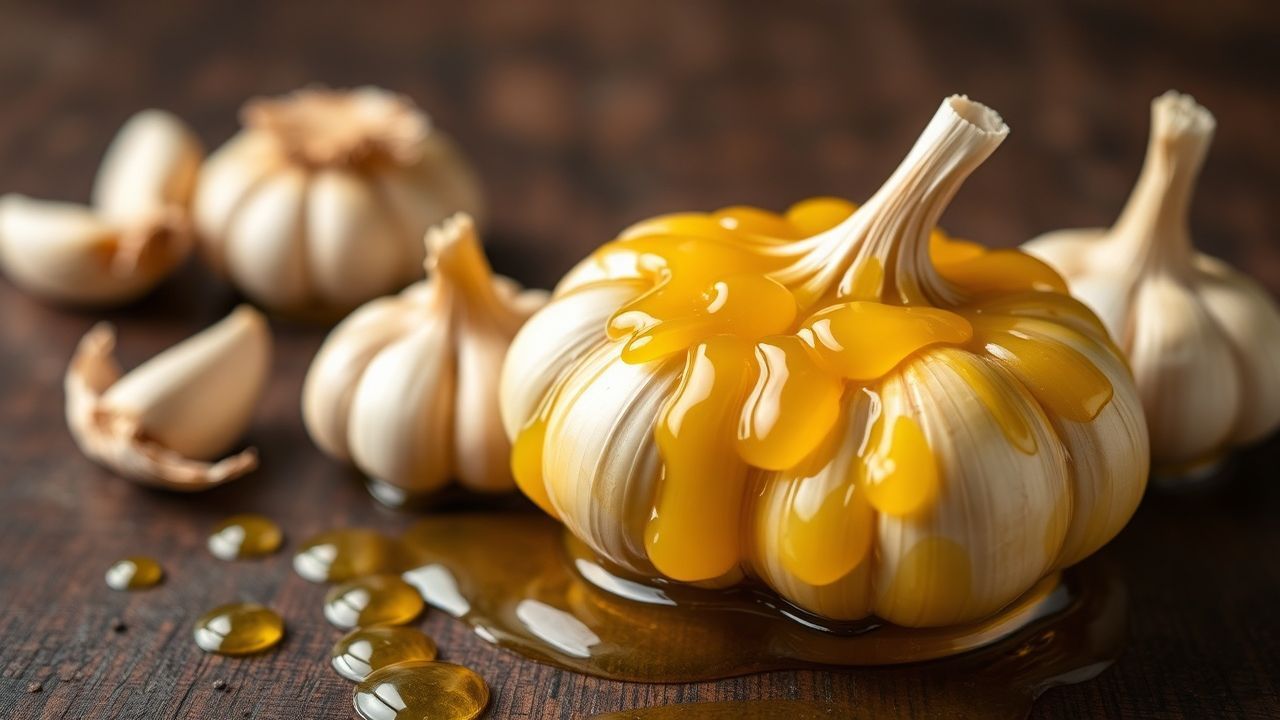

There is a clear alchemy when raw garlic softens into glossy, golden cloves simmered in oil. Slow-cooked garlic confit rewards patience with mellow sweetness and an infused oil that upgrades everyday cooking.
- Make-ahead advantage: garlic confit stores as a ready condiment and flavored oil.
- Technique over speed: low, steady heat prevents bitterness and yields silky cloves.
- Safety first: refrigerate and use clean utensils to minimize contamination risk.
- Versatile uses: spread, mash, or finish dishes with both cloves and oil.
Prep and Cook Time
Preparation: 10 minutes. Cooking: 60–75 minutes, depending on clove size and simmer consistency.
Total time: plan roughly 1 hour 20 minutes including cooling. Allow extra time if you prepare jars and sterilize lids.
Yield
This recipe makes approximately 1 1/2 cups of garlic confit and infused oil. That amount typically serves 6–8 as a condiment or finishing ingredient.
The yield depends on how tightly you pack cloves in the jar and whether you preserve additional oil for later use.
Difficulty Level
Easy for cooks who follow temperature control and timing. This technique emphasizes patience rather than advanced skills.
Beginners benefit from a small, heavy-bottomed pan and a low heat source to maintain an even simmer.
Ingredients
Use fresh, firm cloves and clean equipment to achieve the best results. Remove any damaged or green shoots that can taste bitter.
- 2 cups peeled garlic cloves (about 3 bulbs), whole
- 2 cups mild-flavored olive oil or neutral oil
- 1 tsp sea salt
- 2 sprigs fresh thyme (optional)
- 1 dried bay leaf (optional)
Step by Step Guide to Slow Simmering Garlic for Golden Perfection
Start by selecting plump cloves and peeling them completely. Pat dry to remove surface moisture so oil and cloves heat evenly.
Use a small, heavy-bottomed saucepan to keep heat steady and avoid hot spots. A gentle, even temperature produces uniformly tender cloves.
Combine and Heat
Place the garlic in the pan and cover with oil so all cloves sit below the surface. Add salt and optional herbs to infuse flavor during the slow cook.
Warm the mixture over the lowest heat setting. Maintain tiny, intermittent bubbles; do not let the oil reach a rolling boil because the garlic will brown and become bitter.
Simmer and Monitor
Simmer for about 60–75 minutes, stirring occasionally to check texture. The cloves will turn translucent, swell slightly, and take on a tender, buttery mouthfeel.
Remove the pan from heat and let it cool fully in the oil to preserve texture and allow flavors to settle. Cooling in the oil also minimizes air exposure until you transfer to jars.
Strain, Jar, and Store
Spoon cloves into sterilized jars and pour enough oil to cover them by at least 1/2 inch. Leave a small headspace and seal tightly when jars are cold.
Refrigerate immediately and always use a clean utensil to remove cloves. For longer storage, freeze small portions of cloves and oil in ice-cube trays.
Chef’s Notes: Tips for Success
Oil choice: mild olive oil adds subtle fruitiness, while neutral grapeseed or light vegetable oil yields a clean canvas for garlic flavor. Choose oil based on intended use.
Doneness cues: aim for a uniform pale gold or deep cream color and a soft, spreadable texture. If any clove browns deeply, discard that batch to avoid bitterness.
Adjust aromatics to taste: rosemary, lemon zest, or chili flakes all complement garlic, but remove woody herbs before storage. Fresh herbs left in jars can break down over time and affect clarity.
To reduce risk further, keep jars chilled and never leave garlic confit at room temperature for extended periods. When in doubt, discard any jar that smells off or shows signs of spoilage.
Serving Suggestions to Make the Most of Your Golden Garlic
Spread whole cloves on toasted bread for an elegant appetizer. The soft cloves mash easily into ricotta, butter, or softened cheeses for spreads that please a crowd.
Stir cloves and oil into mashed potatoes, pasta, risotto, or scrambled eggs to add velvety depth. Use the oil for pan-searing or as a finishing drizzle over vegetables to boost aroma.
Nutrition Snapshot
Per tablespoon (clove plus oil), expect roughly 70 kcal, mainly from healthy fats in the oil. Garlic contributes minimal protein and modest carbohydrates per serving.
Because recipes vary by oil and portion size, treat these numbers as an estimate. Use them to balance portions when incorporating confit into richer dishes.
Practical Safety and Preservation
Refrigeration slows bacterial growth and keeps garlic confit safe for several days. For home storage, seal jars and refrigerate immediately after cooling.
If you want longer shelf life, freeze portions in airtight containers. Frozen confit retains texture and flavor for several months and thaws quickly for use.
FAQ
What is garlic confit and how does it differ from roasted garlic?
Garlic confit cooks cloves slowly submerged in oil until they become soft and lightly flavored by the oil. Roasted garlic cooks in dry heat, which produces caramelized sugars and a different flavor profile.
Confit yields an additional product: infused oil that carries gentle garlic notes without raw bite, while roasting emphasizes concentrated, nutty sweetness.
How can I make garlic confit without burning the garlic?
Maintain very low heat and watch for tiny, infrequent bubbles rather than a steady boil. Use a heavy pan to distribute heat evenly and stir occasionally to prevent one area from overheating.
Remove the pan from heat as soon as cloves are uniformly soft. Cooling in the oil helps preserve the texture and prevents sudden overcooking.
Which oils work best for confit?
Mild olive oil and neutral oils both work well; choose based on how you plan to use the confit. Olive oil adds fruitiness, while neutral oil lets garlic take center stage.
Avoid strongly flavored oils unless you intentionally want to introduce a different tasting note to the finished confit.
How long will garlic confit keep in the refrigerator?
Store properly sealed jars in the fridge and use within two weeks. Always use a clean spoon and check for off odors before use.
For long-term storage, freeze in small portions. Thaw in the refrigerator or gently in warm water and use within a few days once thawed.
Are there safety concerns I should know about?
Yes. Because garlic in oil creates an oxygen-free environment, it can permit growth of Clostridium botulinum if stored improperly. Refrigerate immediately and follow safe-use timelines.
When preparing for others, label jars with the preparation date and discard any product that smells unusual or has visible mold or turbidity.
The Way Forward
Once you master the low-and-slow method, you will return to garlic confit as a quick flavor multiplier. The technique scales well and adapts to numerous flavor variations.
Use the infused oil and tender cloves across many dishes to increase flavor impact with minimal effort. Over time, you will refine timing and aromatics to match your palate.
Further reading on the ingredients and food-safety topics cited here can deepen your practical knowledge:
- garlic — botanical and culinary background
- confit — preservation technique overview
- olive oil — oil characteristics and flavor profiles
- botulism — food-safety considerations for low-acid, anaerobic foods
- food preservation — broader storage methods and principles
See also: Garlic Confit