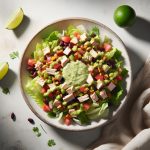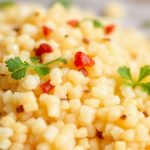
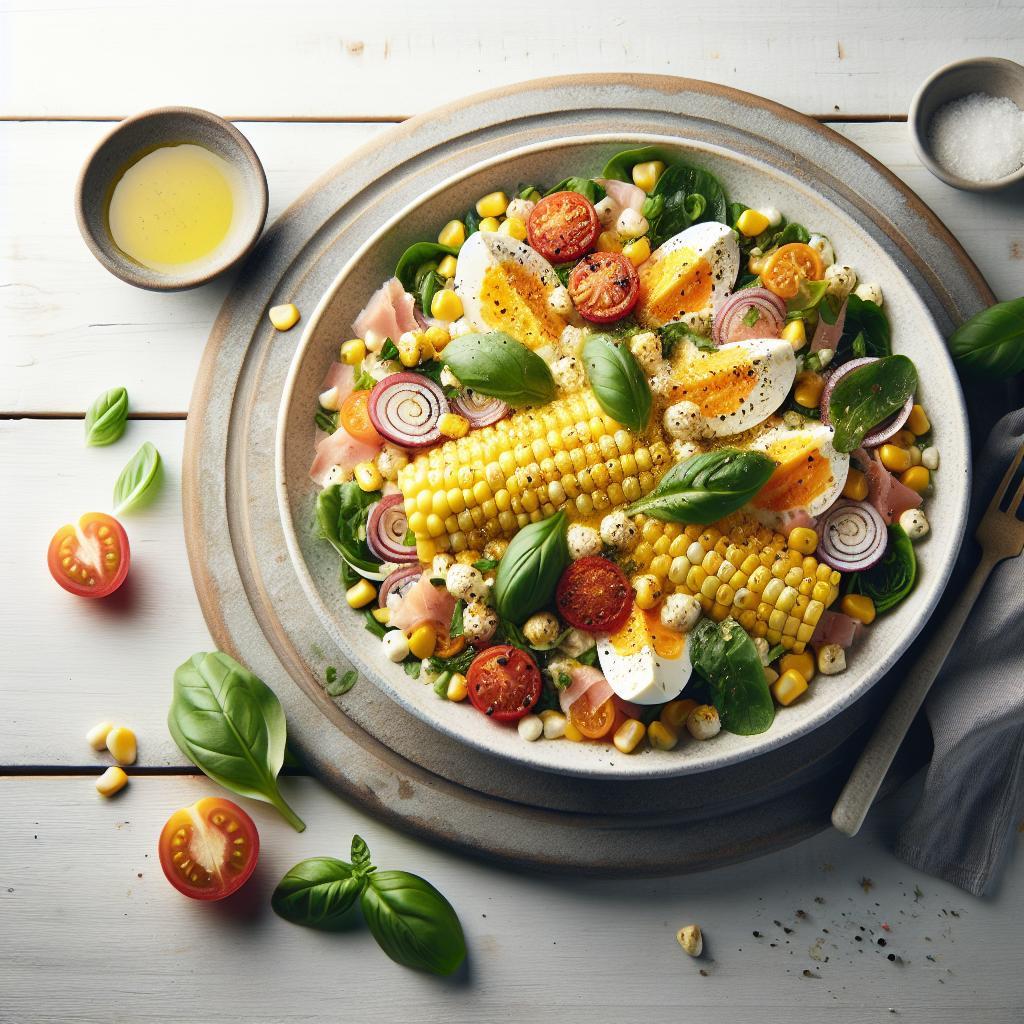

Italian corn shapes kitchens and fields across the peninsula. Grown for centuries, these kernels anchor regional diets, seed-saving traditions, and craft recipes that vary from polenta to freshly cut corn in a risotto.
- Heritage: Italian corn preserves heirloom diversity and regional identity.
- Culinary role: It fuels classic dishes such as polenta and modern plates like risotto alla zucca e mais.
- Sustainability: Seed-saving and mixed-farming systems maintain resilience.
- Practical: Fresh kernels change texture and flavor more than you expect.
Origins and agricultural roots
Maize reached Italy in the 16th century and then adapted to microclimates across regions. Over generations, farmers selected varieties that suited local soils and culinary needs.
Today, gardeners and agronomists study those selections to maintain genetic diversity. For a technical overview of the species, consult the authoritative page on maize.
Regional varieties and culinary uses
Italian corn shows wide phenotypic variation: colors range from pale yellow to deep red and blue, and kernels differ in starch and sugar content. These traits directly influence texture, flavor and ideal culinary uses.
Consequently, regions developed signature preparations. For example, northern Italy elevated ground corn into polenta, a staple documented on the polenta page, while other areas use whole kernels in breads and soups.
Risotto alla Zucca e Mais — recipe and technique
This risotto highlights fresh Italian corn and pumpkin, balancing starch and sweetness for a creamy finish. The technique hinges on rice selection, broth temperature, and timed addition of pumpkin and corn for optimal texture.
Below you will find an expertly tuned ingredient list and stepwise instructions designed for consistent results at home. Follow steps carefully and test for al dente texture before finishing.
Ingredients
Serves: 4. Use fresh or thawed kernels for the best mouthfeel. Keep broth warm to maintain steady cooking.
- 1 cup Arborio rice, rinsed and drained
- 1 ½ cups fresh Italian corn kernels (cut from cob)
- 2 cups pumpkin puree, unsweetened
- 4 cups vegetable broth, warmed
- 1 small onion, finely chopped
- 2 cloves garlic, minced
- 3 tablespoons olive oil
- ½ cup grated Parmigiano-Reggiano
- 2 tablespoons fresh sage, chopped
- 1 tablespoon unsalted butter (optional)
- Salt and freshly ground black pepper, to taste
Use quality Parmigiano and warm broth to control starch release. Remember that rice variety and broth salinity change the final seasoning needs.
Instructions
Stepwise method: Heat the broth so small bubbles appear but it does not boil. In a heavy pan, sweat onion and garlic in olive oil until translucent and aromatic.
- Add rice and toast 2–3 minutes until edges turn translucent.
- Ladle in ½ cup warm broth and stir until mostly absorbed; repeat until rice reaches al dente, about 20–25 minutes total.
- When rice is halfway cooked, stir in pumpkin puree and corn kernels. Blend to warm the pumpkin through and to integrate kernels into the risotto matrix.
- Finish by stirring in butter (optional), cheese and chopped sage. Adjust salt and pepper, rest two minutes, then serve with extra cheese and sage leaves.
Stirring releases rice starch, which creates the creamy suspension that defines risotto. Meanwhile, adding pumpkin and corn mid-cook preserves kernel bite and integrates pumpkin evenly.
Tips for success
Choose fresh kernels or high-quality frozen corn for optimal texture. If using preserved pumpkin, reduce added liquid slightly to retain creaminess.
When reheating leftovers, add a splash of warm broth and finish with a knob of butter or a drizzle of extra-virgin olive oil to revive silkiness. This restores the emulsion that cold storage collapses.
Practical serving and sensory notes
Serve risotto in shallow warm bowls to maintain temperature and to showcase the texture. Garnishes such as toasted hazelnuts add a complementary crunch and nutty aroma.
Sensory-wise, fresh Italian corn gives a bright sweetness and a clean snap that contrasts the velvety pumpkin. Texture and aroma shift by corn type, so taste small amounts when testing recipes.

| Nutrient | Per Serving |
|---|---|
| Calories | 360 kcal |
| Protein | 9 g |
| Carbohydrates | 58 g |
| Fat | 7 g |
sustainable cultivation and preservation efforts
Farmers and seed savers maintain Italian corn through targeted preservation programs and on-farm practices. These efforts sustain genetic reservoirs that protect against pests and changing climates.
Organizations and communities collaborate to document landraces and promote diversified rotations. For wider context on grassroots food movements, see Slow Food.
Maintaining heirloom lines requires careful record-keeping and isolation to avoid unintentional cross-pollination. Groups often share best-practice protocols for seed selection, drying, and storage.
Finally, many cooperatives combine on-farm trials with culinary outreach to reintroduce heirloom corn into markets. This practical approach reconnects consumers with specific textures and flavors.
regional identity and cultural presence
Corn occupies a symbolic place in many local festivals and harvest rites. Music, food stalls, and community tables often mark the harvest and celebrate local varieties.
The cultural presence reinforces the economic incentive to preserve diverse lines. Travelers can learn directly from producers by joining farm stays or attending regional fairs.
To explore how rice-based dishes compare, including risotto technique and history, consult the technical overview on risotto.
FAQ
What defines Italian corn versus other maize varieties?
Italian corn often refers to locally selected landraces with specific kernel color, texture and flavor profiles. These selections reflect regional climate, soil and culinary traditions.
How should I source authentic Italian corn for cooking?
Seek specialty markets, cooperatives, or seed-savers that list varietal names and provenance. Fresh-cut kernels from local producers will outperform generic frozen corn in texture and flavor.
Can I substitute frozen corn in risotto?
Yes, if fresh is unavailable use high-quality frozen corn that has been rapidly chilled. Add frozen kernels slightly earlier in the cook so they release heat and integrate without cooling the rice.
How do farmers preserve heirloom corn varieties?
They employ seed-saving, controlled pollination, isolation distances and documentation of parentage. Community seedbanks and cooperative networks also distribute and archive seeds.
Where can I learn more about maize biology and history?
Start with the scholarly and encyclopedia overview on maize, which outlines domestication, genetics and global spread.
The golden grains of Italian corn tell a practical story: selective breeding, cookery, and cultural memory. By understanding variety, technique and stewardship, you can cook with greater precision and support conservation efforts.
Experience regional recipes and then experiment: try different corn varieties and note how sweetness, chew and color change your dishes. That hands-on testing builds practical knowledge faster than any single source.
See also: Italian corn