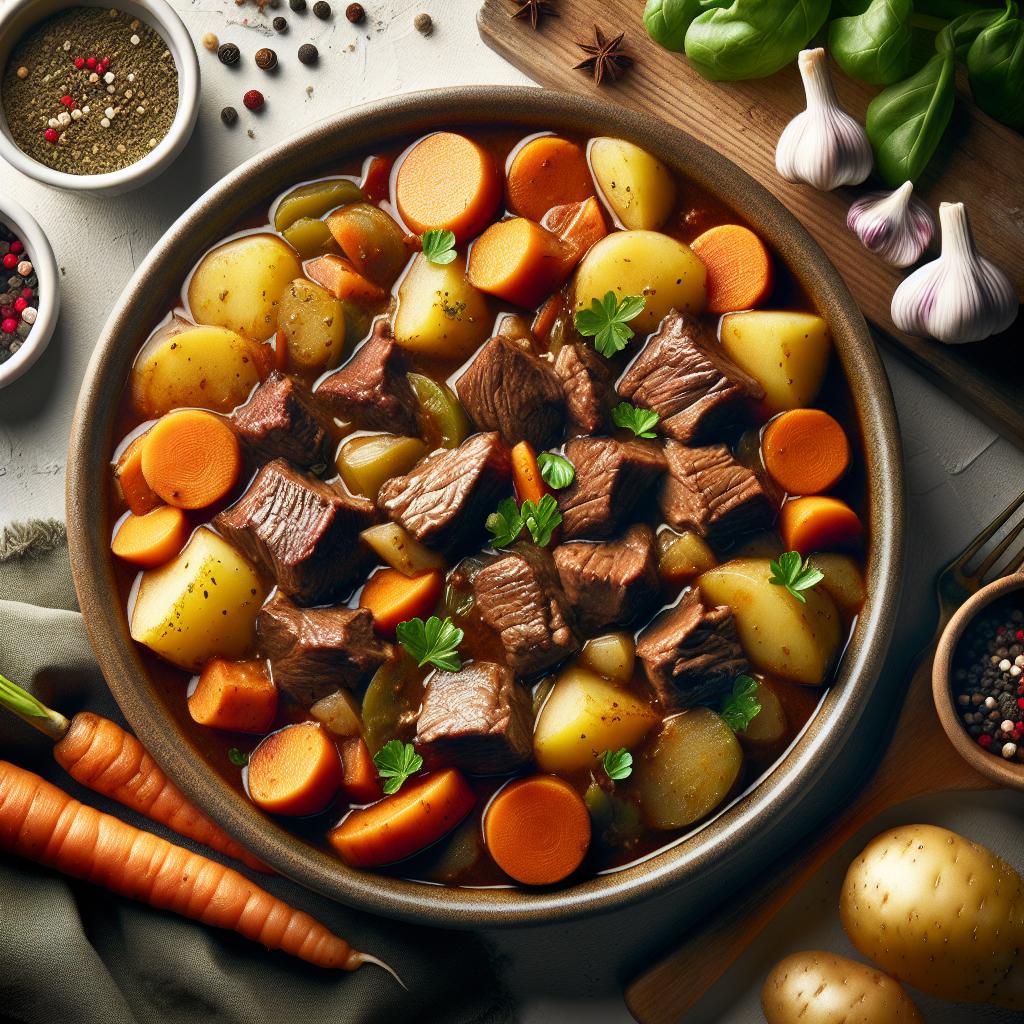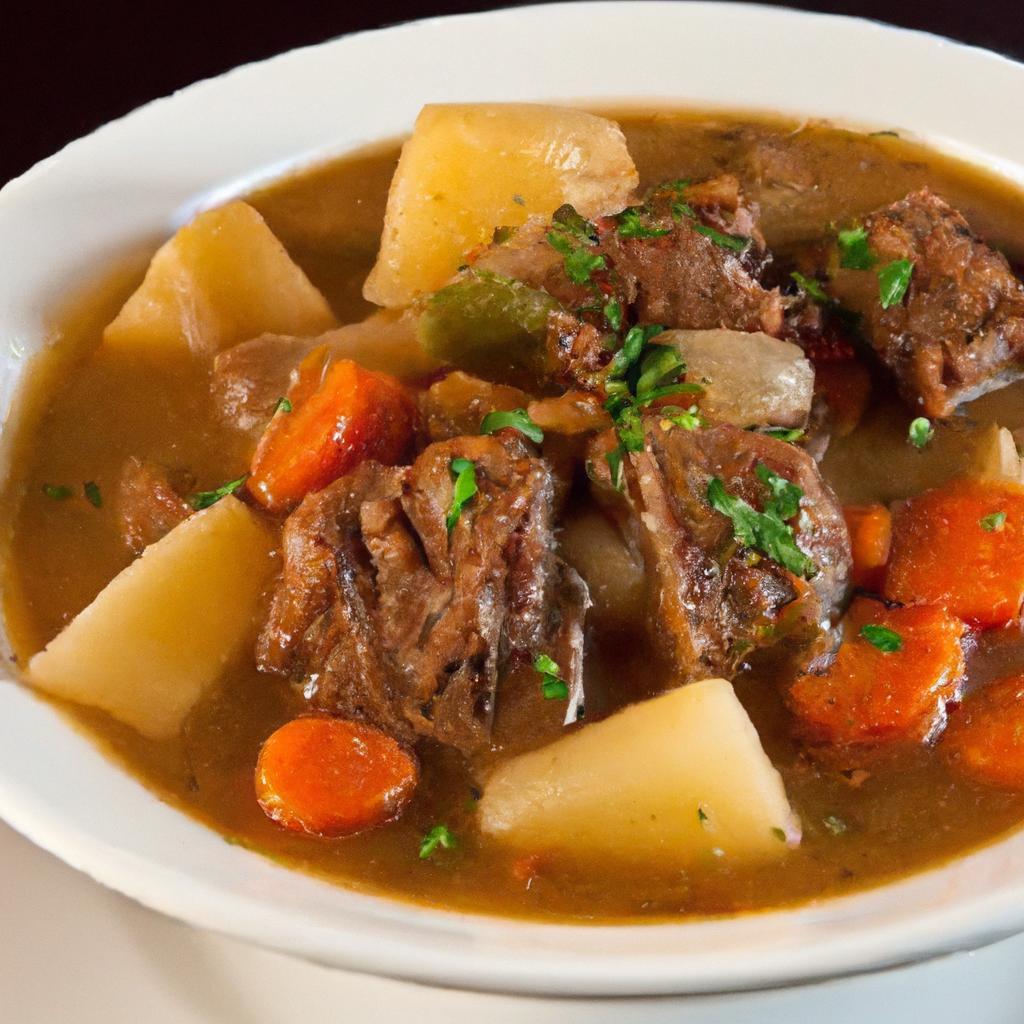

There’s something undeniably magical about a bowl of hearty beef stew-a dish that wraps you in warmth, evokes cherished memories, and satisfies both body and soul. But what exactly transforms simple ingredients into this savory comfort classic? In “Hearty Beef Stew Secrets: A Savory Comfort Classic Unveiled,” we peel back the curtain on the time-honored techniques, key ingredients, and subtle flavor boosters that elevate beef stew from everyday to extraordinary. Whether you’re a seasoned home cook or a curious beginner, prepare to unlock the secrets behind the perfect, melt-in-your-mouth beef stew that promises to comfort and delight with every spoonful.
Hearty Beef Stew Secrets unlock the ultimate comfort food experience – a rich, savory masterpiece that warms the soul and fills the home with inviting aromas. Born from humble beginnings, this classic stew embraces time-honored techniques, turning simple ingredients into a dish bursting with depth and complexity. Whether it’s a chilly evening or a weekend gathering, mastering this recipe ensures you serve a stew that’s deeply satisfying and beautifully textured.
Prep and Cook Time
- Preparation: 25 minutes
- Cooking: 2 hours 30 minutes
- Total: 2 hours 55 minutes
Yield
Serves 6 hearty portions
Difficulty Level
Medium – Perfect for home cooks looking to elevate their slow-simmer game
Ingredients
- 2 lbs beef chuck roast, cut into 1½-inch cubes
- 1 cup all-purpose flour, sifted
- 2 tsp kosher salt, divided
- 1 tsp freshly ground black pepper, divided
- 3 tbsp vegetable oil
- 1 large yellow onion, diced
- 3 cloves garlic, minced
- 3 medium carrots, peeled and cut into chunks
- 2 large celery stalks, sliced
- 4 cups beef broth, low sodium
- 1 cup water
- 2 tbsp tomato paste
- 2 tsp fresh thyme leaves (or 1 tsp dried thyme)
- 2 bay leaves
- 1½ cups Yukon gold potatoes, peeled and cubed
- ½ cup frozen peas (optional, added at end)
- Fresh parsley for garnish
Instructions
- Prepare the beef: Toss the beef cubes with 1 tsp kosher salt, ½ tsp black pepper, and the all-purpose flour until evenly coated. This flouring step is essential for creating a rich, silky stew base. Shake off excess flour to prevent clumping during browning.
- Brown the meat: Heat the vegetable oil in a heavy-bottomed Dutch oven over medium-high heat. Add beef in batches, making sure not to crowd the pan. Sauté until each cube is golden brown on all sides, about 5 minutes per batch. Remove browned beef and set aside.
- Sauté aromatics: Reduce heat to medium. In the same pot, add diced onions and celery. Sauté until translucent and aromatic, roughly 6 minutes. Add minced garlic and cook an additional minute, avoiding burning.
- Deglaze and enrich: Stir in tomato paste and cook for 2 minutes to deepen its sweetness. Slowly pour in beef broth and water while scraping the bottom to lift all flavorful browned bits-this layer is the foundation of your stew’s depth.
- Simmer the stew: Return the browned beef to the pot along with thyme, bay leaves, remaining salt and pepper. Bring to a gentle simmer, then reduce heat to low. Cover partially and let it slow cook for 1½ hours, stirring occasionally to prevent sticking, until beef begins to tenderize beautifully.
- Add vegetables: Incorporate carrots, potatoes, and celery. Continue to simmer covered for another 45 minutes or until vegetables and beef are fork-tender. The slow simmer melds flavors and transforms the beef to melt-in-your-mouth perfection.
- Finish with peas: Stir in frozen peas and cook uncovered for 5 more minutes for a pop of color and freshness. Adjust seasoning with additional salt and pepper to taste. Remove bay leaves before serving.
Tips for Thickening and Serving Your Stew Like a Pro
- If your stew needs more thickness after simmering, mix 1 tbsp cornstarch with 2 tbsp cold water and stir it in. Let it cook an extra 5 minutes to achieve a luscious, clingy sauce.
- For an even richer texture, swirl in a pat of unsalted butter just before serving.
- Serve your stew steaming hot in deep bowls, garnished with fresh parsley for vibrant contrast.
- Accompany with crusty artisan bread or creamy mashed potatoes to sop up every bite of the savory sauce.
Chef’s Notes
- Choose the right cut: Beef chuck is ideal for hearty beef stew secrets because its marbled fat melts slowly, creating succulent meat and rich broth. Avoid lean cuts like sirloin, which dry out during slow cooking.
- Layer your seasoning: Add salt and pepper in stages to build balanced flavors. Taste as you go to keep the dish perfectly seasoned.
- Make ahead: Stew flavors deepen overnight. Refrigerate and gently reheat-stir often to prevent sticking.
- Vegetable variations: Swap celery with parsnip for a subtle sweetness, or add mushrooms for umami depth.
Serving Suggestions
Present the stew in rustic bowls, topped with a sprinkle of freshly chopped parsley and a grind of black pepper. Pair with a side of buttery mashed potatoes or a thick slice of sourdough bread for dipping. A simple crisp green salad with mustard vinaigrette complements the stew’s richness, balancing your meal beautifully.
| Nutritional Info (per serving) | Calories | Protein (g) | Carbs (g) | Fat (g) |
|---|---|---|---|---|
| Hearty Beef Stew | 450 | 38 | 30 | 18 |
Explore perfect side dishes to pair with this hearty beef stew secrets recipe and enhance your dining experience.
For more in-depth knowledge on the nutritional benefits of slow-cooked beef and vegetable combinations, visit the USDA Food Safety and Inspection Service.

Q&A
Q&A: Hearty Beef Stew Secrets: A Savory Comfort Classic Unveiled
Q1: What makes a beef stew truly “hearty” and satisfying?
A1: The heartiness of a beef stew comes from a rich balance of tender, slow-cooked beef and a medley of vegetables that soak up savory spices and broth. It’s the depth of flavor built through browning the meat, deglazing the pot, and simmering the stew low and slow until every bite melts in your mouth, surrounded by silky, flavorful gravy.
Q2: How important is the choice of beef cut in crafting the perfect stew?
A2: Extremely important! Tougher cuts like chuck, brisket, or round are ideal because their connective tissues break down during slow cooking, giving you that tender, melt-away texture. These cuts also release rich gelatin, which naturally thickens the stew and enhances its mouthfeel.
Q3: Can vegetables affect the flavor and texture of the stew?
A3: Absolutely! Root vegetables like carrots, parsnips, and potatoes absorb the stew’s aromatic broth, adding sweetness and earthiness. Meanwhile, onions and garlic provide a savory foundation. The vegetables should be added at strategic times to maintain their shape without becoming mushy.
Q4: What’s the secret to a perfectly thick and luscious stew sauce?
A4: Achieving that rich, glossy sauce often involves a blend of techniques-starting with a browned beef crust (the Maillard reaction), followed by deglazing the pot with broth to scrape up those flavor-packed bits. Some cooks stir in a small amount of flour or cornstarch slurry near the end for extra body, but the real secret lies in reduction-slowly simmering to concentrate flavors and thicken naturally.
Q5: How can I elevate the flavor without adding complex ingredients?
A5: Fresh herbs like thyme and bay leaves lend fragrant depth while simple seasonings-salt, pepper, and a splash of Worcestershire sauce or soy sauce-can boost umami without overwhelming the stew. Layering flavors by sautéing garlic and onions first and letting the stew gently simmer ensures every nuance shines through.
Q6: What’s the best cooking method and timeframe to develop those robust flavors?
A6: Patience is key! Slow cooking on the stovetop or in a low oven over several hours allows the beef to tenderize and the flavors to meld harmoniously. Pressure cooking is a time-saving option that can produce tender results more quickly, but the traditional slow simmer imparts a deeper, more complex flavor profile.
Q7: Any tips for making the stew taste even better the next day?
A7: Actually, beef stew is famously one of those dishes that improves after a night in the fridge. Cooling down lets the flavors marry and the sauce thicken further. Reheating gently over low heat keeps the beef tender and melds the richness for an even more comforting bite.
Q8: How can one add variety while keeping the stew classic and comforting?
A8: Experiment by incorporating seasonal vegetables or swapping in different herbs like rosemary or sage. For an extra layer of texture, add mushrooms or pearl onions. But keep the core principles-slow-cooked beef, savory broth, and tender veggies-and the stew remains that satisfying comfort classic we all love.
This Q&A sheds light on timeless techniques, guiding both novice and seasoned cooks toward unveiling the savory secrets of an unforgettable hearty beef stew.
To Conclude
As the final simmer settles and the rich aroma of your hearty beef stew fills the kitchen, you’ve unlocked more than just a recipe-you’ve embraced a timeless tradition of savory comfort. These secrets, from browning each morsel to layering flavors with patience and care, transform humble ingredients into a soul-warming masterpiece. Whether shared around a bustling family table or savored on a quiet evening, this classic stew invites you to slow down, savor deeply, and celebrate the simple, profound pleasures of good food. So next time you crave that perfect bowl of comfort, remember: it’s not just stew-it’s a delicious story waiting to be told.