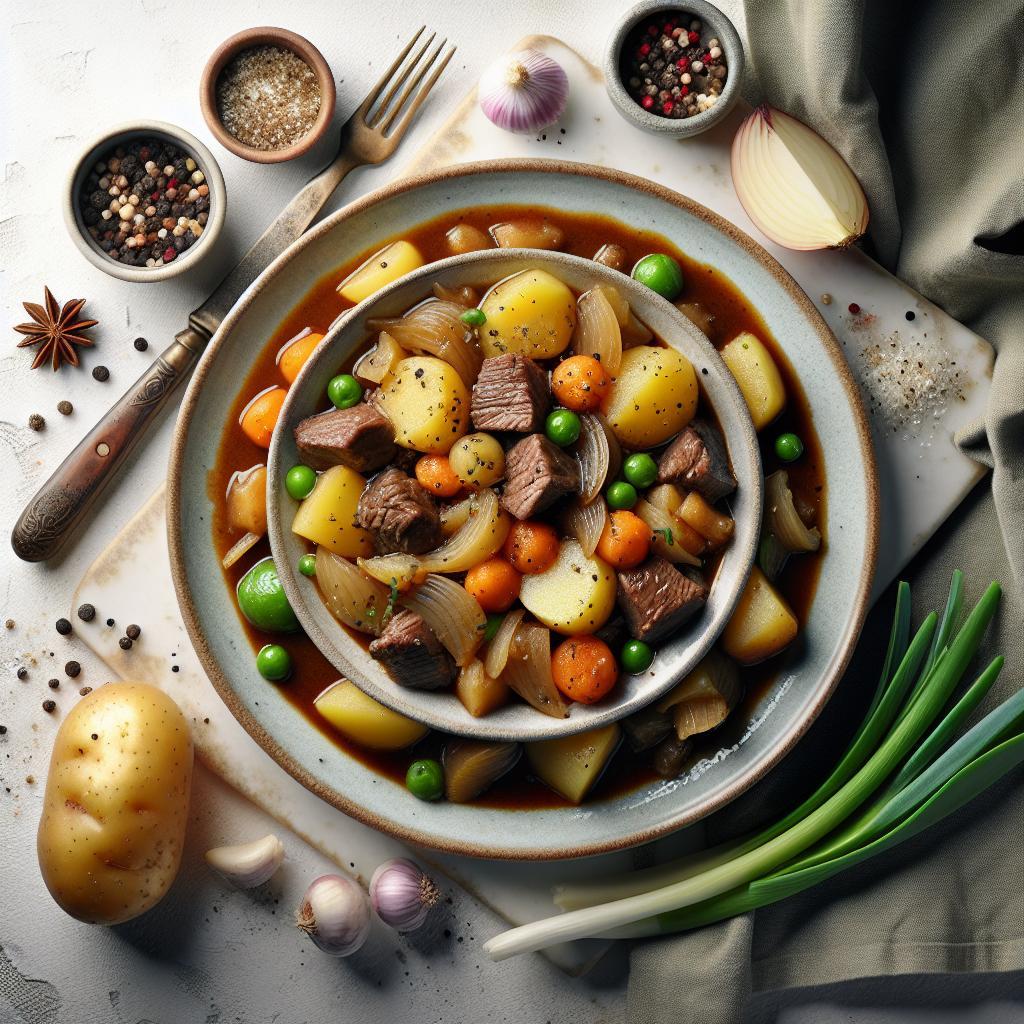

Hearty Old-Fashioned Beef Stew with Tender Potatoes Recipe
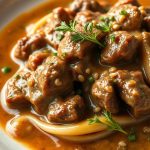
There is a deep comfort in a bowl of classic beef stew: slow-tendered beef, silky potatoes, and a savory broth that carries layered aromatics. This recipe focuses on technique and timing to deliver consistent, rich results every time.
- Slow-simmered beef builds deep flavor and tenderizes tough cuts.
- Yukon Gold potatoes give creamy texture without falling apart.
- Browning meat creates fond and Maillard flavor for a richer broth.
Prep and Cook Time
Preparation: 20 minutes. Trim, cube, and season the meat; chop vegetables to uniform sizes for even cooking.
Cooking: 2 hours 30 minutes including slow simmering. The long, gentle heat breaks down collagen and yields fork-tender beef.
Yield
Serves 6 hearty portions when paired with bread or a simple side salad. Portions scale well for meal prepping or freezing in individual containers.
Leftovers often taste better after resting; flavors continue to meld while refrigerated overnight, improving depth.
Difficulty Level
Rated medium: this recipe demands attention to searing and low, consistent simmering rather than speed. Expect hands-on time at the start, then mostly passive cooking.
The techniques you practice here—proper sear, deglazing, and timed vegetable additions—improve any future braises or stews you make.
Ingredients
Use well-marbled beef and full-flavored stock for best results. Good ingredient quality shows in the final mouthfeel and aroma.
- 2 lb beef chuck, cut into 1½-inch cubes
- 1 cup all-purpose flour, for dredging
- ¼ cup vegetable oil
- 4 cups beef stock or broth
- 3 large Yukon Gold potatoes, peeled and quartered
- 3 medium carrots, sliced into ½-inch rounds
- 2 celery stalks, sliced
- 1 large yellow onion, diced
- 4 garlic cloves, minced
- 2 tbsp tomato paste
- 1 tbsp Worcestershire sauce
- 1 tsp dried thyme
- 2 bay leaves
- Salt & freshly ground black pepper, to taste
- Fresh parsley, chopped for garnish
For technical context, learn more about beef qualities on the beef article. When choosing potatoes, review characteristics at the potato page.
Instructions
Follow these steps precisely for the best texture contrast: a deeply seared exterior and soft interior for potatoes. Keep each step compact and clean to control heat and avoid overcooking.
- Season and dredge: Toss beef cubes in seasoned flour, shake off excess. The light coating helps build body in the final sauce.
- Sear in batches: Heat oil in a heavy-bottomed pot over medium-high heat. Brown beef without crowding to generate fond; remove to a plate.
- Sauté aromatics: In the same pot, add onion and garlic; cook until translucent and fragrant, scraping up browned bits to dissolve flavor into the pan.
- Develop base: Stir in tomato paste and cook briefly until it darkens. Return beef, add stock, Worcestershire, thyme, and bay leaves; bring to a gentle boil.
- Simmer low and slow: Reduce heat to low, cover, and simmer 1.5 hours. Gentle heat breaks down collagen for tender meat.
- Add vegetables: Add potatoes, carrots, and celery, then continue simmering uncovered for 45 minutes until vegetables are fork-tender.
- Adjust seasoning: Remove bay leaves, season with salt and pepper, and finish with chopped parsley before serving.
For alternate equipment, you can transfer seared meat and deglazed pan contents to a slow cooker or pressure-cooker following the same timing logic for liquid and vegetable additions.
Chef’s Notes & Tips for Success
Browning creates fundamental savory notes via the Maillard reaction, so don’t rush searing. A dry surface and hot pan deliver the most efficient browning.
A uniform chop size ensures simultaneous doneness. Cut vegetables and beef into comparable pieces to avoid mismatched textures.
- Potato choice: Yukon Gold offers creamy, buttery texture that holds up; avoid waxy varieties that resist softening.
- Deglazing: Use a small splash of stock when scraping the fond—this dissolves concentrated flavor into the stew base.
- Thickness control: Make a cornstarch slurry (1 tbsp cornstarch + 2 tbsp cold water) and stir in during the last 10 minutes for a slightly glossy sauce.
- Make-ahead: Refrigerate overnight and reheat slowly to allow gelatinized broth to relax and coat ingredients evenly.
Swap commercial stock for a homemade stock when available for deeper savory notes. See the stock (food) reference for foundational techniques.
When adjusting salt, taste only after reduction and vegetable addition; concentrated liquids can taste different after simmering.
Serving Suggestions
Serve the stew in deep bowls to showcase the glossy sauce and substantial pieces of beef and potato. Garnish with chopped parsley to add a bright herbal layer.
Offer crusty rolls or a simple buttered loaf to sop up the sauce. A side of steamed greens or lightly dressed salad balances the richness with fresh texture.

| Nutrient | Per Serving |
|---|---|
| Calories | 420 kcal |
| Protein | 35 g |
| Carbohydrates | 25 g |
| Fat | 18 g |
Practical Variations
Swap vegetables based on seasonality: parsnips or rutabaga add earthiness, while turnips contribute a peppery note. Maintain similar cut sizes for consistent cooking.
For a lighter finish, stir in a tablespoon of lemon juice or a splash of red wine vinegar at the end to brighten flavors without changing texture.
FAQ
What cut of beef is best for stew?
Choose a well-marbled cut such as chuck or brisket; the collagen in these cuts breaks down into gelatin under slow heat, producing tender meat and a rich mouthfeel.
Lean cuts can dry out and will not provide the same silky sauce texture that collagen-rich cuts yield.
How do I keep potatoes tender without turning mushy?
Add potatoes late in the cook cycle—typically in the last 30–45 minutes—so they soften without disintegrating. Cut to uniform size for predictable timing.
If you must cook potatoes longer, choose waxy varieties and monitor frequently to prevent overcooking.
Can I use a slow cooker or Instant Pot?
Yes. For a slow cooker, brown meat first and then cook 6–8 hours on low. For an Instant Pot, brown using sauté mode and pressure-cook 35–40 minutes, then natural release.
Adjust vegetable timing: add delicate vegetables later in the slow-cooker cycle or after pressure release in an Instant Pot to avoid mushiness.
How do I thicken the stew naturally?
Thicken by reducing the broth or using the flour coating from the seared beef. Alternatively, add a cornstarch slurry near the end for a controlled thickening.
Slow reduction concentrates flavors while preserving a glossy finish without adding extra starch.
Can I freeze this stew?
Yes. Cool completely, portion into airtight containers, and freeze up to 3 months. Thaw in the refrigerator and reheat gently over low heat to keep textures intact.
Reheat slowly and stir occasionally to restore a uniform sauce and avoid localized drying or boiling.
Final Thoughts
This beef stew rewards patient technique: sear carefully, simmer gently, and time vegetable additions. The result is a bowl that balances deep, savory meat flavors with silky potatoes and a well-rounded broth.
Use this recipe as a foundation—practice the steps, adapt ingredients seasonally, and you will consistently produce comforting, restaurant-caliber stew at home.
See also: beef stew