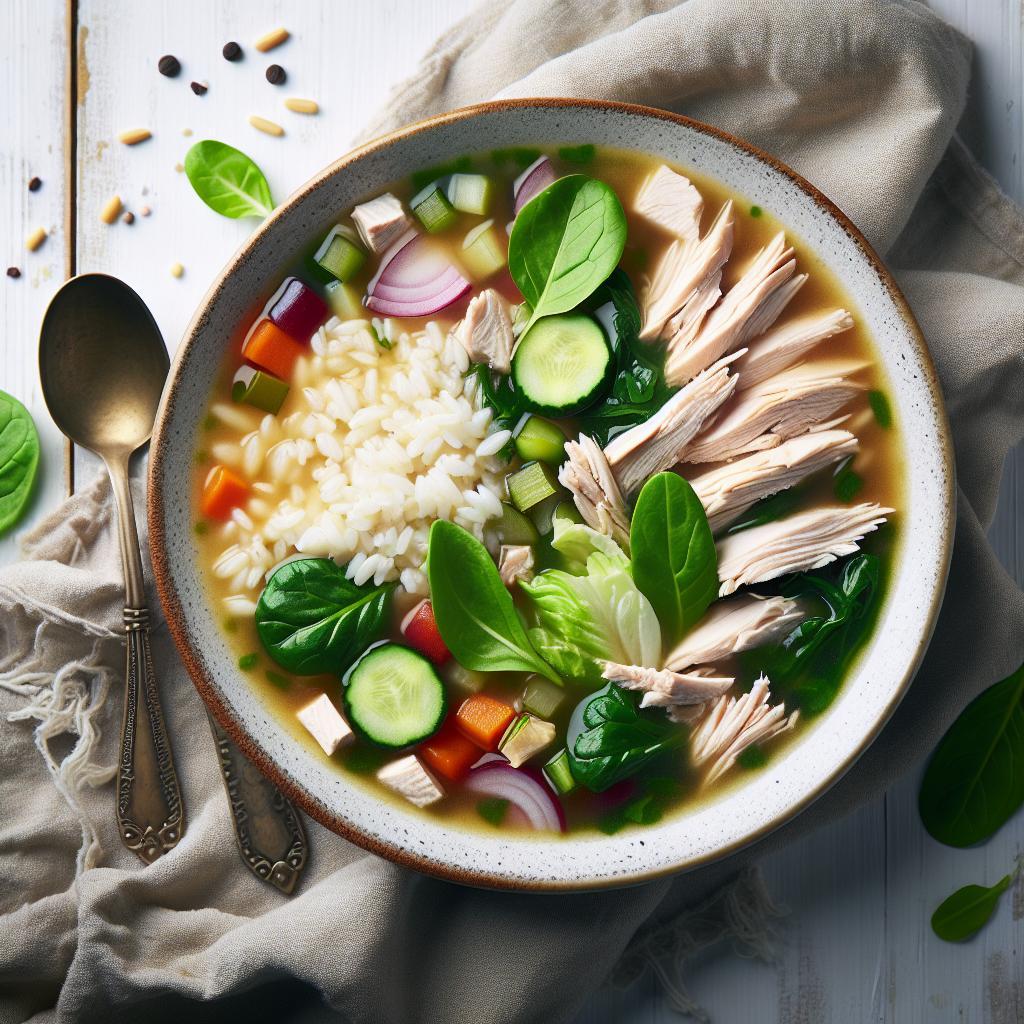

Hearty turkey soup marries tender turkey, fragrant rice, and savory aromatics into a bowl that comforts on cold nights and simplifies busy evenings. This recipe focuses on technique and timing so the broth stays clear, the rice holds shape, and the turkey remains moist.
- Comfort in a bowl: Lean protein, starch, and vegetables form a complete, nourishing meal.
- Make-ahead advantage: Flavors deepen after resting, improving texture and taste the next day.
- Versatility: Swap rice types or add greens without losing the soup’s character.
- Control: Rinsing rice and gentle simmering preserve clarity and mouthfeel.
What makes turkey soup a classic
Turkey soup combines straightforward ingredients to create layered savory flavor with familiar texture. The rice soaks up broth and releases a bit of starch; that adds body without turning the pot gummy when you control rinse and simmer techniques.
The turkey brings a meaty backbone that feels lighter than beef but heartier than many vegetable broths. For background on the core ingredients, see turkey and rice.
Prep and Cook Time for turkey soup
Preparation: 20 minutes. Cooking: 50 minutes if you use pre-cooked turkey; adding bones or raw poultry increases time for stock extraction. Plan mise en place: chop vegetables, rinse rice, and have herbs measured.
If you plan to make stock from bones, add 1–2 hours to extract gelatin and depth. For techniques on stock, consult food stock fundamentals and consider following a step-by-step stock method on your site via internal resources like making-stock.
Yield and Difficulty for this turkey soup
This recipe yields about 6 generous servings, suitable for family dinners and meal prep. The skill level sits at Easy to Medium, so confident beginners will manage the steps with basic knife and stovetop skills.
Using leftover turkey significantly shortens active time and reduces risk of overcooking the meat. If you start from raw poultry or bones, treat the process like basic stock-making: low, long simmer and occasional skimming.
Ingredients
Ingredients are deliberately straightforward and aimed at building a clear, savory broth. Use low-sodium broth so you can control final seasoning; the soup concentrates as it simmers and tasting matters.
Key items include shredded turkey, long-grain white rice, onion, garlic, carrots, celery, low-sodium broth, herbs, and olive oil. For herb context see thyme and parsley.
- 2 cups cooked turkey, shredded or diced
- 1 cup long-grain white rice, rinsed
- 1 large yellow onion, finely chopped
- 3 cloves garlic, minced
- 3 medium carrots, peeled and diced
- 2 stalks celery, diced
- 8 cups low-sodium chicken broth or prepared stock
- 2 tbsp olive oil
- 1 tsp dried thyme; 1 tsp dried rosemary
- 2 bay leaves
- Salt and freshly ground black pepper, to taste
- Fresh parsley, chopped, for garnish
Instructions
Technique matters: sweat the aromatics, keep the simmer gentle, and add turkey late to avoid drying it. Rinsing rice removes surface starch and helps prevent the broth from becoming overly cloudy or gummy.
Follow the timeline and taste as you go; small adjustments—extra salt, a squeeze of lemon, or a splash of broth—can correct the bowl at the finish. If you want recipe variations and quick uses for leftovers, see internal links like leftover turkey recipes.
Step-by-step
Use a wide, heavy-bottomed pot to encourage even heat and to reduce rice sticking. Keep the flame at medium for sautéing, then reduce to low for a gentle simmer once the broth is added.
- Heat the oil in the pot over medium heat. Add onion, carrots, and celery and sauté until vegetables are softened and onions are translucent, about 8 minutes.
- Add the garlic and cook 30–60 seconds until fragrant; avoid browning to prevent bitterness.
- Stir in herbs—thyme, rosemary, and bay leaves—so their oils bloom in the warm vegetables.
- Pour in the broth and bring to a gentle boil, then lower heat to maintain a simmer.
- Add the rinsed rice, distribute it evenly, and simmer uncovered for 18–22 minutes, stirring occasionally to prevent sticking.
- Fold in the cooked turkey and simmer 10–15 minutes until heated through and flavors meld. Remove bay leaves and taste for salt and pepper.
- Finish and serve with chopped parsley and a grind of black pepper. Serve hot in warmed bowls.
Chef’s Notes: Tips for Success
Small technique choices elevate the final turkey soup: rinse rice, sweat vegetables slowly, and avoid a rolling boil once rice is in. These steps preserve texture and clarity in the broth so the bowl reads clean and balanced.
Use leftover roasted turkey for a cleaner, more concentrated flavor and reserve any pan drippings to stir in sparingly for an umami boost. If using bones, low-and-slow simmering extracts gelatin, improving mouthfeel without cream.
Allow the soup to rest overnight when possible; refrigeration lets flavors relax and harmonize, and reheating brings them back with minimal effort. If rice absorbs too much liquid during storage, add hot broth when reheating.
Storage & Safety for turkey soup
Cool soup rapidly and refrigerate within two hours to reduce bacterial risk; store in shallow containers to speed chilling. Reheat thoroughly to at least 165°F (74°C) before serving to ensure safety, especially with poultry-based stocks.
Frozen portions last up to three months; thaw overnight in the refrigerator before reheating. For more on safe food handling and reheating tips, pair this advice with your habitual kitchen food-safety checklist.
Serving Suggestions
Serve turkey soup with crusty whole-grain bread, warm dinner rolls, or a simple green salad to add texture contrast. A light squeeze of lemon brightens the bowl and balances savory stock notes without masking them.
For presentation, ladle into deep bowls and garnish with chopped parsley and a swirl of good olive oil. Offer small condiments—hot sauce, grated parmesan—so diners can customize their bowl.
Nutrition and Variations
Per serving estimates depend on portion size and ingredient choices. With the specified quantities, a typical bowl yields roughly 320 kcal, 28 g protein, 35 g carbs, and 7 g fat, assuming lean turkey and standard broth.
Swap long-grain rice for brown rice for more fiber but extend simmer time and add extra broth. Arborio rice produces a creamier texture, while wild rice introduces chew and a nutty profile suited for autumn menus.
| Nutrient | Per Serving |
|---|---|
| Calories | 320 kcal |
| Protein | 28 g |
| Carbohydrates | 35 g |
| Fat | 7 g |
At-a-Glance: Quick Variations
Use this checklist to adapt the recipe quickly without losing the core identity of the turkey soup. These swaps preserve balance and minimize extra steps, making weeknight cooking efficient.
- Vegetarian option: Replace turkey with sautéed mushrooms or lentils and use vegetable stock.
- Heartier grain: Brown rice or farro adds chew; allow extended cook time and extra liquid.
- Greens: Stir baby spinach or chopped kale in during the last 5 minutes for color and nutrients.
FAQ
Can I use leftover turkey or does it need to be freshly cooked?
Leftover turkey works exceptionally well and speeds up the recipe. Shred or dice the meat and add it toward the end to prevent drying during simmering.
What rice cooks best in this turkey soup?
Long-grain white rice offers a soft, separate texture and predictable cook time. Brown rice adds fiber but needs longer simmering and more broth for full tenderness.
How do I prevent the soup from getting too starchy or thick?
Rinse rice thoroughly before adding; that removes surface starch and reduces cloudiness. Keep the simmer gentle and stir occasionally to avoid rice settling and sticking to the pot bottom.
How long does this soup keep in the fridge or freezer?
Stored in airtight containers, refrigerated soup is good for up to four days. For longer storage, freeze portions for up to three months and thaw overnight in the refrigerator before reheating.
Can I make a richer broth without bones?
Yes. Use concentrated store-bought stock or enhance low-sodium broth by sautéing mushrooms or adding a small splash of soy sauce for umami. For a homemade approach, simmer turkey bones for an hour or more to build depth.

See also: Explore related site guides: Making stock from bones and Leftover turkey recipes.
Further reading on core ingredients: soup, thyme, and parsley.
See also: turkey soup