
Italian cheese creates some of the world’s most luxurious creamy textures, each shaped by region, milk, and age. These cheeses range from fresh, milky textures to aged, melt-in-your-mouth varieties that chefs and home cooks prize alike. The term “Italian cheese” covers a broad family whose handling, serving temperature, and pairings determine the final impression.
- Regional identity: Many creamy Italian cheeses reflect local pastures and traditional craft.
- Versatility: Use them cold, spreadable, or melted in both simple and refined dishes.
- Storage & serving: Temperature and timing change flavor and mouthfeel significantly.
- Pairing strategy: Match fat and acidity to complement texture without overpowering it.
Italy’s Creamy Treasures
Italian cheese forms a central pillar of regional foodways and appears across antipasti, pasta, and desserts. Flavor and texture vary by milk source, seasonal feed, and production technique.
Producers tune moisture and fat to produce anything from pillowy fresh curds to elegantly runny centers. For context on national food practices, see Italian cuisine.
Prep and Cook Time
Preparation: 20 minutes. These times reflect assembling a tasting platter rather than making cheese from scratch.
Cooking (if applicable): 10 minutes for brief melting or warming. For slow sauces, add 5–10 minutes to bring cheeses to gentle heat without separating.
Yield
Serves 4 as an appetizer or accompaniment when presented with breads and seasonal produce. Adjust portions proportionally for larger groups.
For a tasting board, allow 60–80 grams per guest when multiple cheeses are featured. Provide small plates so guests can sample multiple textures and pairings without mixing flavors.
Difficulty Level
Easy: The platter-style approach suits beginners and experienced hosts alike. The technique focuses on selection, temperature, and simple garnishes rather than advanced cooking skills.
Handling tips matter: slice and arrange gently, preserve creamy centers, and present cheeses with contrasting textures like crunchy bread or roasted nuts. Those small choices raise perceived quality instantly.
Ingredients
- 200g fresh mozzarella di bufala, torn into bite-sized pieces
- 150g mascarpone cheese, chilled
- 100g ricotta, preferably fresh and creamy
- 2 ripe heirloom tomatoes, sliced
- 1 tablespoon extra virgin olive oil
- Fresh basil leaves, a handful
- Sea salt and freshly cracked black pepper, to taste
- 1 teaspoon honey (optional, for drizzling over mascarpone)
- Toasted ciabatta bread, for serving
Choose cheeses with clear labels and recent production dates. For fresh mozzarella look for a milky aroma and a soft, elastic texture; for guidance on specific styles consult the mozzarella profile below and Mozzarella.
When selecting mascarpone and ricotta, confirm refrigeration through distribution. Freshness preserves the delicate cream textures that define the eating experience; see Mascarpone and Ricotta references for production notes.
Instructions
- Prepare the base: Arrange sliced heirloom tomatoes on a large serving platter so colors stand out.
- Distribute the cheeses: Scatter torn mozzarella pieces and dollop mascarpone and ricotta to create visual contrast.
- Season lightly: Drizzle olive oil and sprinkle sea salt and cracked pepper to lift natural flavors.
- Add herbs: Tuck basil leaves among cheeses and place a few whole leaves on top for aroma.
- Optional finish: Lightly drizzle honey over mascarpone for a sweet-savory balance.
- Toast and serve: Offer toasted ciabatta on the side for spreading or gentle bites.
Serve immediately to preserve fresh textures and the visual appeal of creamy domes. Small adjustments to salt and oil can dramatically improve the final bite.
For cooked applications, warm cheeses gently to avoid separation. Low, indirect heat preserves creaminess and prevents a grainy mouthfeel.
Tips for Success
Choose quality: Buy cheeses from trusted suppliers with clear packaging dates and provenance notes. Ask vendors about milk source when possible.
Room temperature: Bring cheeses to room temperature before serving to release aroma and optimize mouthfeel. Remove from refrigeration 15–20 minutes before plating.
Textural contrast: Add crunchy elements like toasted nuts or crisp bread. Acidic accompaniments such as pickled vegetables or citrus help cut richness.
Rotate cheeses on a board during long service to keep pieces fresh-looking; replace smeared portions with clean dollops when possible. This small maintenance step improves guest perception and extends appeal.
Serving Suggestions
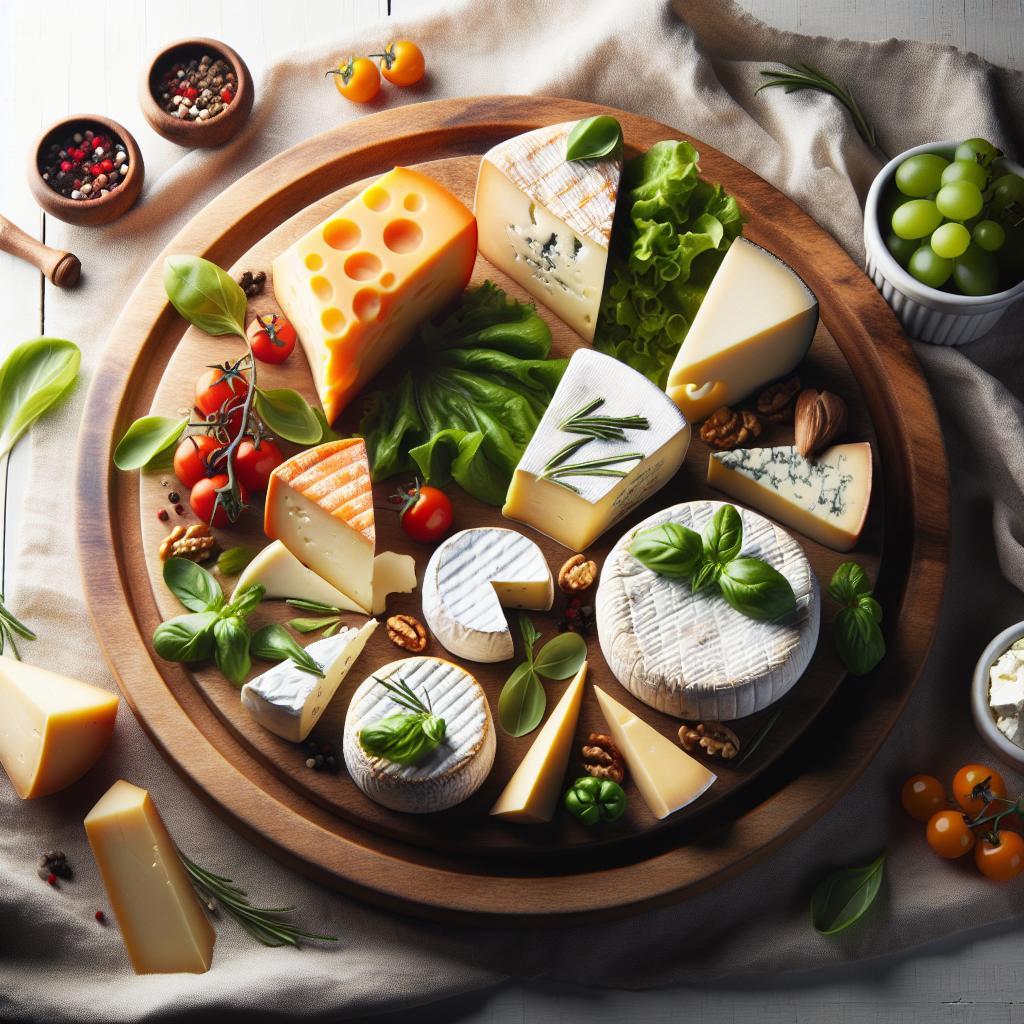
Present the platter on a wooden board or marble slab and offer small spoons for creamy varieties. Provide labels or small notes so guests know which cheese they taste and where it comes from.
Pairings work well with fresh fruit, roasted vegetables, or robust honey. Avoid overpowering flavors; creamy Italian cheese responds best to gentle complements that enhance rather than mask texture.
For recipe inspiration and complementary dishes, link to your internal references: Italian cheese tag and a practical how-to guide at How to build a cheese platter. These internal resources help readers translate tasting notes into menus and events.
Cheese Profiles
This section highlights iconic creamy cheeses and practical uses. Each entry links the cheese’s character to common culinary applications and handling advice.
Mozzarella
Mozzarella—particularly buffalo mozzarella—offers a fresh, milky texture ideal for salads and light melting. It keeps a slight chew and a clean dairy finish that pairs superbly with tomatoes and basil.
Use torn pieces at room temperature for caprese-style starters or layered on pizza where brief high heat melts without drying the cheese. Its high moisture demands quick consumption once plated.
Mascarpone
Mascarpone is a high-fat, spreadable cream cheese used in desserts and savory sauces. It enriches risottos and forms the silky base of tiramisu, adding lush mouthfeel without sharp acidity.
Because mascarpone carries sweet dairy richness, pair it with honey, citrus zest, or toasted nuts to introduce brightness. Keep mascarpone chilled until service to maintain structure.
Ricotta
Ricotta provides a light, granular creaminess that works well in both sweet and savory dishes. It blends into fillings, folds into pastas, and balances bold sauces with delicate milky sweetness.
Choose whole-milk ricotta for better creaminess on a platter and finish with flaky salt and a drizzle of good olive oil. Ricotta holds up well with acidic or bitter complements.
Burrata
Burrata features a mozzarella shell filled with stracciatella and cream; cutting it releases a silky center that elevates simple salads. Its luxurious interior makes it an immediate focal point on any board.
Serve burrata close to room temperature where safety permits; the interior becomes more voluptuous and aromatic when slightly warmed. Pair with fruity oils and high-acid tomatoes for contrast.
Taleggio
Taleggio is a washed-rind cheese with a supple interior and pronounced aroma that melts evenly. It adds savory depth to polenta, roasted vegetables, and open-faced sandwiches.
Use taleggio where a richer, slightly pungent profile improves the dish, such as gratins or melted over mushrooms. Its character stands up well to acidity and earthy flavors.
Nutrition
Below is a typical breakdown per serving for the suggested platter; values vary by product and portion size. Use this as a reference for menu planning and calorie-conscious choices.
| Nutrient | Per Serving |
|---|---|
| Calories | 320 kcal |
| Protein | 17 g |
| Carbohydrates | 15 g |
| Fat | 22 g |
Cheese provides concentrated protein and fat; balance portions with vegetables and whole-grain bread for a more complete plate. Adjust serving sizes for children and specific dietary needs.
FAQ
What defines a cheese as “creamy”?
A creamy cheese shows higher moisture and fat, producing a smooth mouthfeel and often a spreadable or meltable texture. Production techniques and limited aging soften protein networks and create silkiness.
How should I store opened creamy cheeses?
Keep them in airtight containers at 0–4°C and consume within 48 hours for best quality. Avoid freezing; that process alters texture and can make cheeses grainy.
Can creamy Italian cheeses be used in hot dishes?
Yes. Many melt smoothly—taleggio and mascarpone perform well under gentle heat. Use low temperatures and short times to preserve texture and prevent separation.
Which cheeses pair best with fruit and honey?
Mascarpone, ricotta, and burrata pair beautifully with honey, figs, and stone fruits because of their mild sweetness and soft textures. Add toasted nuts for contrast and crunch.
Where can I taste authentic regional varieties in Italy?
Visit local markets and small dairies in regions known for specific cheeses—Campania for buffalo mozzarella and Puglia for burrata. Small producers often offer tastings and direct producer insight.
Closing Remarks
Italian cheese rewards simple handling and thoughtful pairings. Serve cheeses at the proper temperature with complementary textures and you elevate every bite into a memorable tasting moment.
Explore these cheeses one by one. Building pairings that highlight texture, acidity, and aroma will deepen your taste vocabulary and improve every board you present. Buon appetito!

Recommended Reading:
- 9 Classic Italian Cheese Varieties: Expert Guide to Flavors & Aging
- 7 Proven Ways to Master Italian Pasta
- 7 Expert Techniques to Craft the Perfect Pizza