
Keep Crunchy: Smart Storage Tips for Dehydrated Snacks
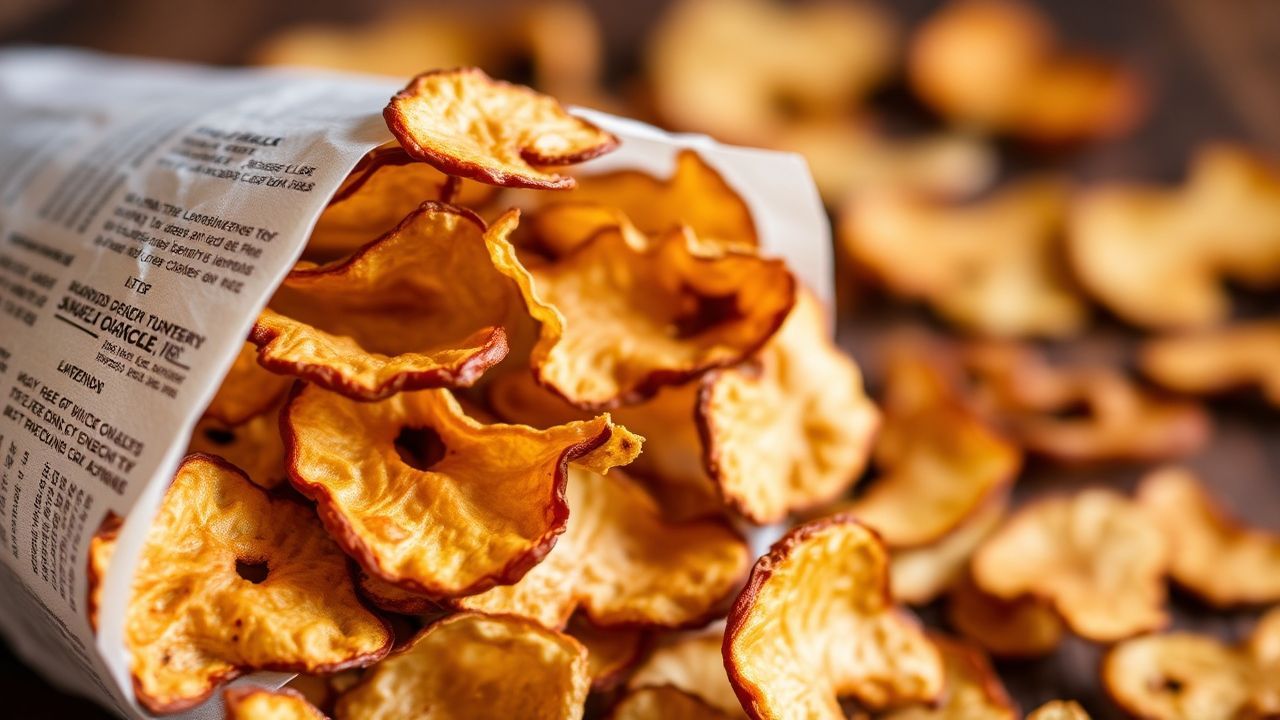
The crisp snap of a perfectly dehydrated apple chip or the brittle crunch of kale crisps defines the snack experience. Moisture and oxygen silently undo texture, so storage is the final, decisive step to preserve that satisfying bite.
- Store dry and cool: stop moisture before it reaches your snacks.
- Seal tightly: use airtight jars or vacuum methods to limit oxygen exposure.
- Use desiccants: small moisture absorbers prevent sogginess in sealed containers.
- Rotate and date: label batches to avoid stale snacks and waste.
Why storage matters
Dehydration removes the water microbes and enzymes need to grow, but it does not make snacks invulnerable. Remaining sugars, fibers, and oils still react to oxygen and humidity and cause texture and flavor loss over time.
Air and humidity soften cell walls and collapse crisp structure. For a technical overview of moisture removal and preservation principles see food drying, which explains water activity, drying curves, and how reduced moisture stabilizes food.
Prep and cook time
Preparation: 10 minutes. Arrange trays, trim produce, and preheat your dehydrator or oven to create uniform slices and drying conditions. Consistent prep cuts rework and improves final texture.
Dehydration: 6–12 hours depending on snack type and slice thickness. Check texture, not just time; crispness for fruit chips and brittle snap for vegetable crisps indicate completion.
Yield
Yield varies by produce water content and slice thickness. Typical home batches from a moderate tray load produce 4–6 snack servings, but density changes by fruit or vegetable type.
Record actual yield per batch and label jars with weight and date. Tracking batch metrics improves planning and reduces surprises when storing or gifting.
Difficulty level
Easy to medium: Most methods need familiar kitchen tools and attention to drying endpoints. Storage technique makes the difference between occasional success and consistent crunchy results.
Advanced equipment like vacuum sealers and oxygen absorbers extend shelf life, but airtight jars with desiccants deliver excellent stability for months.
Ingredients and tools
Gather snacks and quality containers before you start. Good tools reduce handling and limit exposure to ambient humidity that causes re-absorption.
Essential items include airtight glass jars with silicone seals, food-grade desiccant packs, a vacuum sealer if available, and a marker for dating batches. For background on moisture-absorbing materials see desiccant.
Step-by-step instructions
Limit exposure to humidity at every step: cool, handle briefly, and seal decisively. Quick actions after drying prevent re-absorption and extend crispness.
Always cool snacks fully to room temperature before sealing. Any residual heat traps condensation, which will wreck the texture inside a closed container.
1. Choose the right container
Select containers that block air and water vapor reliably. Glass jars with silicone seals, heavy-duty plastic containers, and vacuum bags form durable barriers for most snack types.
For multi-month storage, vacuum methods remove trapped oxygen and slow oxidative changes. See vacuum packing for the physics behind air removal and shelf-life extension.
2. Control temperature and humidity
Store snacks in a cool, dark place between 50–70°F (10–21°C). Lower temperatures slow sugar migration and reduce sticky behavior in fruit chips.
Avoid heat sources and direct sunlight. Warm environments increase vapor pressure and encourage moisture migration back into dried pieces.
[h3]3. Use moisture absorbers[/h3]
Add food-grade desiccant packs to sealed containers to capture residual humidity. Replace packs per manufacturer guidance to maintain drying capacity.
Keep desiccants in a small breathable pouch so they do not contact fragile crisps. This prevents direct contamination and keeps snacks intact.
4. Seal and label
Reseal containers immediately after use. Frequent opening lets humid air in, so limit access and reseal quickly to protect remaining product.
Label jars with date and snack type and rotate older batches forward. Simple first-in, first-out rotation prevents long-term quality decline and reduces waste.
Advanced storage techniques
Vacuum sealing and freezing extend shelf life by reducing oxygen and lowering temperature-driven chemical changes. Use these methods when you must store snacks beyond three to six months.
For freezing, choose heavy-duty freezer bags or vacuum packs to avoid freezer burn. Thaw while still sealed to keep condensation off individual pieces and preserve texture.
Chef’s notes
If snacks develop soft spots, you can re-dehydrate briefly to restore crispness. Spread pieces evenly on a tray and dry at low heat for 10–30 minutes while monitoring texture.
Inspect containers and storage spaces seasonally. Small gasket failures or hairline leaks allow moisture intrusion and can degrade entire batches quickly.
Chef tips and troubleshooting
For fruit chips that go sticky, refrigerating inside an airtight container with desiccant often helps. Ensure packaging prevents moist air exchange to avoid net moisture gain.
If pieces accidentally go soggy, re-crisp them in an oven at about 200°F (95°C) for 5–10 minutes. Cool fully before resealing to prevent trapped condensation.
Serving suggestions
Use dehydrated snacks as standalone bites, or add them to salads and trail mixes for concentrated flavor and crunch. Their low water activity intensifies taste and aroma.
Try seasoning variations: dust apple chips with cinnamon or sprinkle sea salt on kale crisps. Texture pairs well with creamy dips such as hummus or plain yogurt for contrast.
Nutrition and storage lifespan
Dehydrated snacks concentrate calories and sugars; serve portions mindfully. Typical nutrition per 30 g serving varies by snack type and drying method.
With airtight, cool, dry, and dark storage, most dehydrated snacks retain strong crispness for up to six months. For a general reference on product durability see shelf life.
| Nutritional Component | Per Serving (30g) |
|---|---|
| Calories | 110 |
| Protein | 2g |
| Carbohydrates | 25g |
| Fat | 0.5g |
Quality control checklist
Perform a short audit every month: check seals, swap desiccants, and verify storage temperature. Regular checks stop small problems from ruining full batches.
Keep a log with date opened, desiccant replacement, and corrective actions. That data helps refine routines and predict realistic shelf life for each snack type.
FAQ
How do dehydrated snacks lose their crunch?
They reabsorb moisture from humid air and oxidize over time. Water softens cellular structure, while oxygen and heat accelerate chemical changes that reduce crispness.
Controlling humidity and oxygen is the primary defense against texture loss. Proper sealing and desiccation preserve the microstructure that creates crispness.
Which containers work best?
Glass jars with silicone seals, heavy-duty vacuum bags, and food-grade plastic containers with tight lids perform reliably. The goal is a strong barrier against air and water vapor.
Choose container sizes that match typical consumption to minimize headspace and trapped air. Small jars for single-serve portions reduce oxidation each time you open a container.
Is refrigeration recommended?
Refrigeration can help but introduces humidity risks if packaging is imperfect. Only refrigerate in airtight or vacuum packaging with desiccant to prevent net moisture gain.
For long-term pauses in use, freezing in vacuum-sealed packs halts many degradation processes. Thaw while still sealed to avoid condensation on pieces.
How long will snacks stay crunchy?
Under ideal storage—airtight, cool, dry, and dark—expect up to six months of strong crunch for most snacks. Low-fat, low-sugar vegetable crisps may last longer.
Monitor texture and aroma regularly. Discard any product with off-odors, visible mold, or unusual stickiness that does not respond to re-drying.
Any on-the-go hacks?
Slip a small piece of bread or a roasted bean into a tightly sealed bag to absorb a bit of moisture for short trips. Replace it every few days to maintain effectiveness.
Alternatively, use single-serve vacuum pouches to preserve crispness while traveling. Compact vacuum packs reduce headspace and limit oxidation between uses.
With deliberate storage choices—tight seals, humidity control, and sensible rotation—your dehydrated snacks will stay crisp and flavorful far longer. Apply these practical steps to keep each batch tasting like the day you finished drying it.
See also: CookHarvest home, Dehydrated snacks, and for equipment guidance check product pages on your site for dehydrators and sealers.
Further reading on materials and moisture control: humidity and oxidation explain environmental factors that affect shelf stability.
Recommended Reading:
- Crisp & Sweet: The Ultimate Guide to Dehydrated Apple Chips
- Preserving Fresh Flavor: The Art of Putting Up Tomatoes
- Crunchy Creations: Homemade Granola Using a Dehydrator