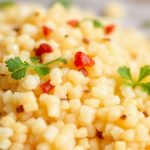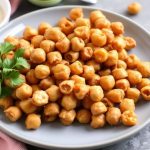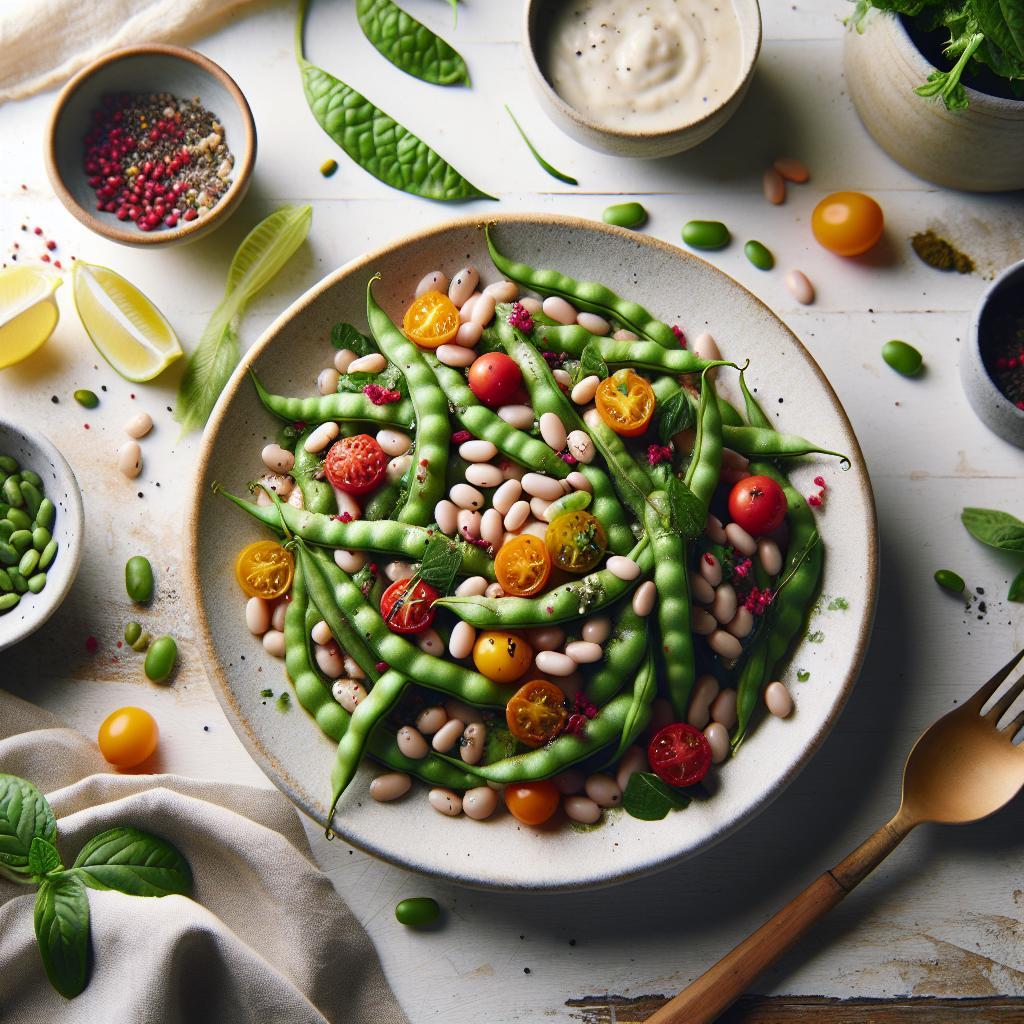

Lima beans deliver a unique, buttery texture that elevates simple meals into comforting plates. Their mild flavor pairs with bold spices or subtle herbs, and they absorb cooking liquids to create velvety results every time.
- Versatile ingredient: Use lima beans as sides, spreads, or main dishes.
- Nutrition-packed: High in protein, fiber, and folate for sustained energy.
- Simple technique: Slow, gentle simmering produces the best creaminess.
- Storage-smart: Cook once, refrigerate or freeze for fast meals.
Why lima beans deserve a spot on your plate
Lima beans belong to the broader family of legumes, and they offer dense nutrition in a small package. Their natural starches and proteins break down during slow cooking, producing a silky mouthfeel that few pulses can match.
Chefs and home cooks value lima beans for texture and neutrality; you can finish them with acid, smoke, or cream without losing the bean’s signature softness. For botanical and historical context, see the cultivated lima bean entry on Wikipedia.
Prep and cook time
Plan ahead: soak dried lima beans overnight to shorten active cooking and improve digestibility. Soaked beans typically need 30–45 minutes of gentle simmering to reach a creamy interior without splitting skins.
Active hands-on time usually runs 15–20 minutes for sautéing aromatics and building flavor. Total time including soaking sits around one hour when you count active cooking and resting.
- Preparation: 15–20 minutes (plus soaking)
- Cooking: 30–45 minutes
- Total: ~1 hour (overnight soak not included)
Yield and difficulty
This recipe yields about 4 servings as a side or 2 as a main, depending on accompaniments. The technique rates Easy–Medium because it hinges on timing and gentle heat rather than advanced skills.
A focused approach to simmering and seasoning yields restaurant-quality creaminess with minimal fuss. Small adjustments in liquid and finishing fat change the texture noticeably, so taste and tweak near the end.
Ingredients
Use quality pantry staples to support the bean’s texture: low-sodium broth, a neutral oil, and an optional plant-based cream. Precise salt timing matters; add most salt near the end to keep skins intact and interiors tender.
Below is a flexible ingredient list you can scale or swap to match diet preferences or what’s on hand. Canned lima beans work in a pinch but will not develop the same single-pot creaminess as dried beans simmered from scratch.
- 1½ cups dried lima beans, rinsed and soaked overnight
- 4 cups vegetable broth (low sodium)
- 1 medium yellow onion, finely chopped
- 3 cloves garlic, minced
- 2 tbsp extra-virgin olive oil
- 1 tsp smoked paprika
- ½ tsp ground cumin
- ½ tsp freshly ground black pepper
- 1 tsp sea salt, plus more to taste
- ½ cup unsweetened coconut milk (optional, for extra silkiness)
- 2 tbsp fresh lemon juice, for brightness
- Fresh parsley or chives, chopped, for garnish
Mastering the art of perfectly creamy lima beans
Start with soaked beans, then simmer gently in low-sodium broth until tender. A rolling boil will break skins and create grainy texture; patience at low heat gives smooth interiors and intact outer membranes.
Sear aromatics first to build a flavor base, then add spices briefly to bloom their oils before they meet the beans. Finish with a splash of coconut milk or extra-virgin olive oil and a squeeze of lemon to lift the finished dish.
- Soak: Cover beans with cold water by 2 inches overnight. Drain and rinse.
- Simmer: Add beans to a pot with 4 cups broth. Bring to a gentle boil, then reduce to a steady simmer.
- Sauté aromatics: Heat oil, cook onion and garlic until translucent. Add spices and cook 1 minute.
- Combine: Stir aromatics into the simmering beans and cook uncovered for 30–45 minutes, stirring occasionally.
- Finish: Add salt, coconut milk, and lemon juice near the end. Stir gently and rest 5 minutes off heat before serving.
Letting the beans rest after cooking helps starches settle and flavors meld. If you find beans still firm, continue simmering in 5–10 minute increments, checking texture to avoid overcooking.
Nutrition and health benefits
Lima beans supply plant-based protein, soluble and insoluble dietary fiber, and essential micronutrients such as iron and folate. These elements support steady energy and digestive regularity.
They also contribute to daily protein goals for vegetarian and vegan diets; consider pairing them with whole grains to complete the amino acid profile. For deeper context on protein as a nutrient, consult the Wikipedia entry on protein.
Lima beans contain folate, a B vitamin important for cellular function and especially relevant for those planning pregnancy; read more about folate on Wikipedia. Their low glycemic impact helps with steady blood sugar when combined with fiber-rich meals.
Storage, selection, and shelf life
Select dried beans that look plump and uniform in color with no cracks or foreign debris. Fresh shelled lima beans should be bright green and firm; avoid limp pods or beans that appear shriveled.
Store dried beans in airtight containers in a cool, dark pantry for up to 12 months. Cooked beans keep in the refrigerator for up to 5 days and freeze well for 2–3 months in portioned bags.
When reheating frozen portions, thaw in the refrigerator and reheat gently to preserve the creamy structure. Aggressive boiling while reheating can separate the texture and make the dish grainy.
Serving suggestions and recipe variations
Use creamy lima beans as a side under roasted vegetables, as a spread on toasted bread, or folded into salads for added protein. They handle acidity and smoke well, so finish dishes with lemon or smoked paprika to highlight the bean’s buttery notes.
For a warm main, layer cooked lima beans with roasted squash, sautéed mushrooms, and toasted seeds. For cold salads, rinse and chill cooked beans, then toss with bright herbs, chopped tomatoes, and vinaigrette.
Flavor pairings and adaptations
Combine lima beans with herbs like thyme, sage, and parsley or spices such as cumin and smoked paprika. For richness, fold in a spoonful of coconut milk or a drizzle of extra-virgin olive oil.
To make a quick dip, purée warm beans with garlic, lemon, and oil, and adjust seasoning to taste. For a smoky variant, roast garlic before adding it to the purée.
Tips for consistent results
Soak dried lima beans overnight to reduce cooking time and minimize tannins that can cause gastric discomfort. Rinse the beans well after soaking to remove loosened starch and impurities.
Simmer gently and avoid frequent vigorous stirring. Use low heat and a wide pot for even heat distribution; this prevents localized overcooking that bursts bean skins.
FAQ
What makes lima beans different from other beans?
Lima beans have a distinct, buttery texture that develops when their internal starches soften during slow cooking. Their mild flavor makes them an adaptable base for many cuisines.
They also tend to be larger and flatter than many other common pulses, which affects cooking time and mouthfeel.
Are lima beans good for weight management or blood sugar?
Yes. Their combination of protein and fiber promotes fullness and helps moderate post-meal blood sugar. Pairing them with whole grains and vegetables creates a balanced plate.
Portion control and overall diet patterns determine weight outcomes; lima beans support nutrient density and satiety within a calorie-controlled plan.
Can I use canned lima beans instead of dried?
Canned lima beans cut prep time dramatically and work well for quick salads or warm sautés. However, they lack the single-pot creaminess you get from slow-cooked dried beans.
Rinse canned beans to remove excess sodium and adjust seasoning after tasting. Heat them gently to avoid a broken texture.
How do I avoid mushy or split beans?
Cook at a low simmer and add salt toward the end of the cook. High heat and early salting can toughen skins or cause them to split before the interior softens.
If beans start to break down prematurely, reduce heat and remove some liquid; a short rest off heat often stabilizes the texture.
How long can I freeze cooked lima beans?
Freeze portions in airtight containers or heavy-duty bags for optimal quality; they keep best for 2–3 months. Label containers with date and portion size for easy meal planning.
Thaw in the refrigerator overnight and reheat gently on the stovetop with a splash of broth or water to revive creaminess.
Explore more legume-centered recipes and techniques to make plant-based meals that satisfy. A small change in technique yields large improvements in texture and flavor, turning humble lima beans into a memorable comfort dish.

See also: lima beans