
There is a tangible alchemy in low heat, steady smoke and time: humble cuts become tender, deeply flavored plates that reward patience and technique. For beginners, smoking meat can look like arcana, but structured practice and reliable methods make mastery reachable.
- Choosing the Perfect Wood and Meat Pairings for Ultimate Flavor
- Essential Equipment and Setup Tips for Seamless Smoking Sessions
- Mastering Temperature Control and Timing for Tender, Juicy Results
- Flavor Boosting Techniques: Rubs, Marinades, and Beyond
- Recipe: Basic Smoked Brisket / Pork Shoulder Workflow
- Tips for Success and Common Pitfalls
- FAQ
- Learn wood pairings to match flavor intensity to cut.
- Control temperature for consistent tenderness and bark.
- Layer flavor with brines, rubs and timed spritzes.
- Rest and slice to retain juices and texture.
Choosing the Perfect Wood and Meat Pairings for Ultimate Flavor
Wood choice defines the smoke character you add to protein. Mild fruit woods lend gentle complexity, while dense hardwoods produce bold, assertive smoke that can dominate delicate cuts.
Match intensity: use fruit woods on poultry and pork; reserve intense woods for beef and game. For background reading on the cooking technique itself, see smoking (cooking).
Common pairings and why they work
Hickory gives a savory, bacon-like note that complements beef and pork; learn more about the tree species on the hickory page. Use it sparingly on lean cuts to avoid bitterness.
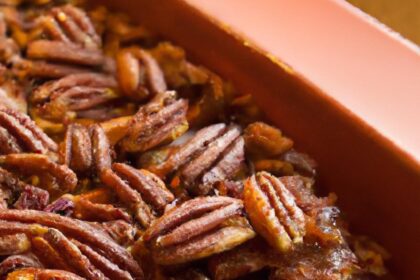
Apple and cherry woods add a fruity lift to poultry and fish. Pecan and maple sit between sweet and robust, pairing well with most proteins when used in measured amounts.
Essential Equipment and Setup Tips for Seamless Smoking Sessions
Choose a smoker style that fits how often you’ll use it—offset, pellet, charcoal or electric each suits a different workflow. Prioritize accurate temperature control and reliable airflow over bells and whistles.
Fit your setup with a quality probe-style thermometer to track ambient and internal temperatures. For details on calibrated devices, consult the meat thermometer reference.
Basic kit checklist
At minimum, have heat-resistant gloves, long tongs, a sturdy water pan and a digital dual-probe thermometer. Keep a supply of wood chunks and charcoal chosen for flavor consistency.
Set your smoker for indirect heat: place the fire source opposite the meat and maintain a windbreak outdoors. Clean, oiled grates reduce sticking and help form an even bark.
Mastering Temperature Control and Timing for Tender, Juicy Results
Maintain a steady low range—225–250°F—for most long cooks. That range breaks down collagen while minimizing moisture loss, creating a tender interior and a robust exterior bark.
Use one probe for ambient smoker temp and a second for internal meat temperature; rely on internal temps rather than rigid time per pound. For example, many briskets finish when the internal temp reaches 200–205°F.
Estimating cook time and the Texas crutch
Time estimates (like 1.5–2 hours per pound) provide planning guidance, but stalls and variable meat structure change real time. Monitor internal temp and probe tenderness instead of the clock.
Wrap in foil or butcher paper once the meat reaches the stall to preserve moisture and accelerate tenderness without destroying bark when done thoughtfully.
Flavor Boosting Techniques: Rubs, Marinades, and Beyond
Rubs create a concentrated crust of spices and sugar that caramelize during smoke, while marinades and brines tenderize and season from within. Layering techniques yield the deepest results.
For a primer on wet flavoring agents, review general methods on marinades. Use acid judiciously and never marinate too long on very lean proteins to avoid mushy texture.
Practical rub and spritz strategy
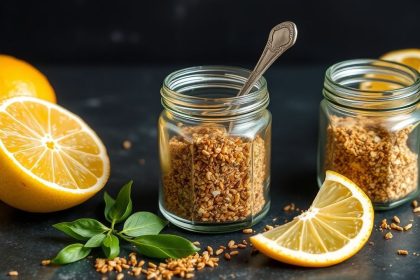
Start simple: salt, sugar, smoked paprika and garlic powder form a balanced base. Add heat with cayenne, keep sweet notes moderate, and press the rub into the surface for adhesion.
During the cook, use an occasional spritz of apple juice or a beer-water mix to maintain surface moisture and encourage flavorful bark. Spritz lightly—too much liquid cools the chamber.
Recipe: Basic Smoked Brisket / Pork Shoulder Workflow
This section condenses a reliable process for 5 lb+ cuts suited to beginners who want predictable, repeatable results. It focuses on sequence, not rigid timing.
Follow the steps, monitor internal temps, and adjust small variables as you gain experience. Keep notes on wood, temp and rest times to refine your signature profile.
Prep and cook overview
Preparation: ~45 minutes active work (trimming, brine or marinade, rub). Soak wood chips 30 minutes if you prefer moderated smoke spikes.
Cooking: Expect 4–14 hours depending on cut size; use internal temp and probe feel rather than clock-only estimates.
Ingredients (example for 5 lb roast)
5 lb beef brisket or pork shoulder, trimmed; 1/4 cup kosher salt; 1/4 cup packed brown sugar; 1 tbsp smoked paprika; 1 tbsp garlic powder; 1 tbsp onion powder; 1 tsp fresh black pepper; optional cayenne.
Liquid for spritz: apple juice or diluted beer; 1/2 cup apple cider vinegar and 1/4 cup olive oil make a simple marinade base if you choose to marinate.
Step-by-step instructions
1) Trim excess fat. Marinate 2–4 hours or overnight if using acid-based marinade. Pat meat dry before applying rub.
2) Mix rub ingredients and press evenly over the meat. Let rest at room temperature 30 minutes while you stabilize smoker temps to 225–250°F.
3) Place meat fat-side up away from direct heat. Smoke until internal temp hits ~160°F, then wrap and continue until 200–205°F or probe feels tender. Rest wrapped for 45–90 minutes before slicing.
Tips for Success and Common Pitfalls
Consistent heat, clean wood and measured seasoning produce the most repeatable results. Avoid adding green wood or treated lumber—those create off-flavors and hazardous smoke.
Record every cook: smoker model, ambient temp, wood type, probe temps and resting time. Those notes accelerate learning and improve repeatability.
Quick troubleshooting
Bitter smoke flavor usually means too-hot combustion or creosote buildup—open vents, add airflow, and remove wet or smoldering chunks. Thin, dry interior indicates insufficient fat or overcooking; rest longer and slice against the grain.
For faster cooks, choose smaller cuts like ribs or chicken pieces and lower smoking duration while keeping target internal temps appropriate for the protein.
| Nutrient | Per Serving (approx.) |
|---|---|
| Calories | 480 kcal |
| Protein | 45 g |
| Carbohydrates | 12 g |
| Fat | 26 g |
FAQ
What is meat smoking and why use it?
Meat smoking is slow-cooking over low heat with smoke to add flavor and tenderize through collagen breakdown. It adds layers of aroma and texture that dry-heat cooking rarely achieves.
Which woods should beginners choose?
Start with mild fruitwoods like apple or cherry for gentle smoke. Progress to hickory or mesquite when comfortable with longer cooks and stronger flavors.
How important is temperature control?
Very important. Stable low heat enables collagen to convert to gelatin and prevents drying. Use dual probes for both chamber and internal meat readings to guide decisions.
How do I know when meat is done?
Internal temperature and tactile tenderness both matter. Brisket often finishes near 200–205°F; ribs near 195–203°F. Probe resistance and a mahogany bark are practical finish cues.
Should I brine or marinate before smoking?
Brining adds moisture and salt seasoning; marinades add acidity and flavor complexity. Use whichever method suits the cut and desired flavor; both improve results when applied correctly.
See also: meat smoking