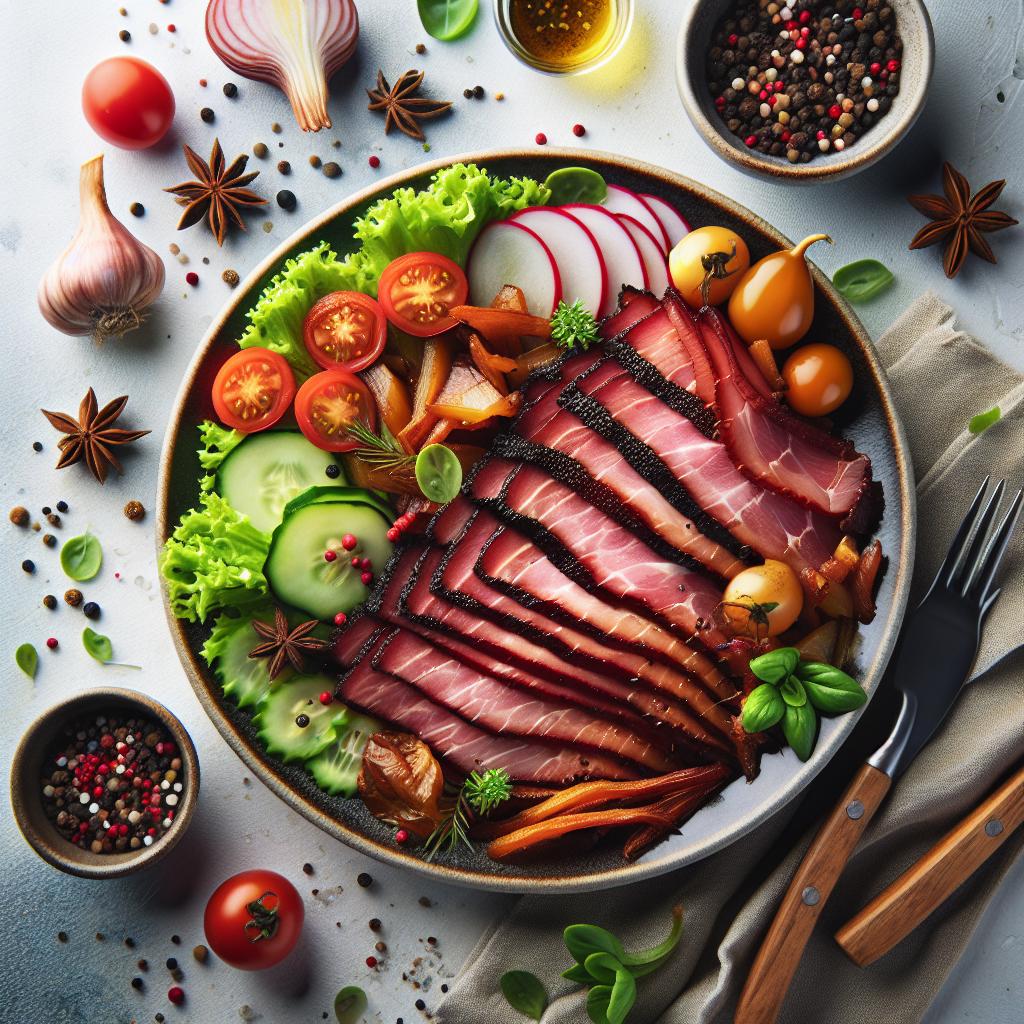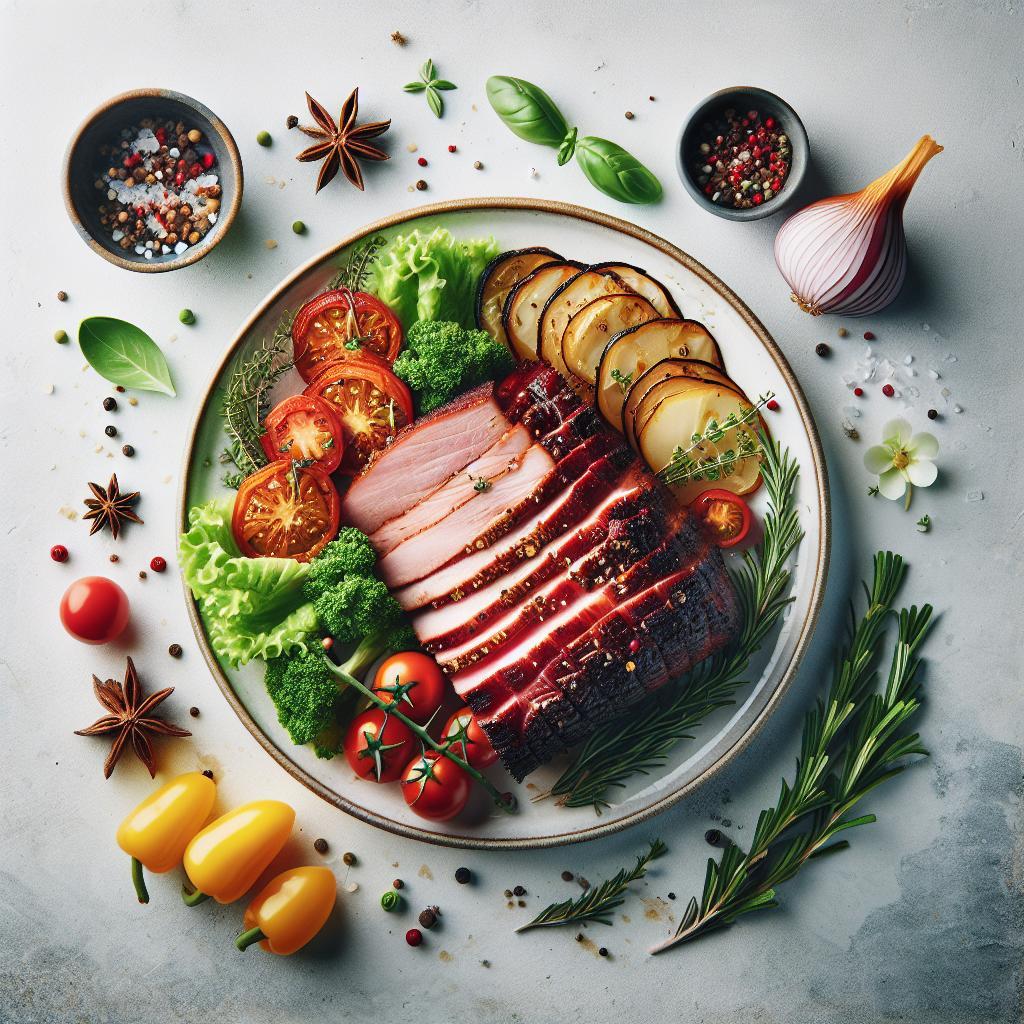

In the world of culinary craftsmanship, few techniques evoke as much passion and nostalgia as meat smoking. The tantalizing dance of smoke and flavor transforms humble cuts into mouthwatering masterpieces, but the art doesn’t end when the smoker cools. Mastering meat smoking extends far beyond the perfect bark or that rich, smoky aroma-it delves deep into the science and secrets of long-term storage. How do you preserve that juicy tenderness and smoky essence day after day, week after week? In this article, we unveil the time-honored techniques and modern innovations that ensure your smoked meats remain irresistibly delicious, whether enjoyed fresh or savored long into the future. Get ready to unlock the secrets that turn a fleeting feast into a lasting legacy.
Mastering Meat Smoking: Long-Term Storage Secrets Unveiled
Mastering Meat Smoking has become an art form for any culinary enthusiast eager to preserve the deeply satisfying flavors of smoked meats without sacrificing freshness or texture over time. The gentle dance between smoke, temperature, and storage conditions can unlock layers of flavor while allowing your smoked treasures to last for weeks or even months.
Prep and Cook Time
- Preparation Time: 30 minutes
- Smoking Time: 4-6 hours (depending on the cut)
- Rest & Cooling Time: 1 hour
Yield
Serves 6-8, depending on meat cuts and portion size
Difficulty Level
Medium – Requires controlled smoking and precise storage techniques
Ingredients
- 5 lbs pork shoulder or beef brisket, trimmed of excess fat
- 1/4 cup kosher salt
- 1/4 cup brown sugar, packed
- 2 tbsp black pepper, freshly ground
- 2 tbsp smoked paprika
- 1 tbsp garlic powder
- 1 tbsp onion powder
- Wood chips: Hickory or applewood, soaked for 30 minutes
- Optional: 1 cup apple juice or beef broth for spritzing
Instructions
- Prepare the dry rub: In a bowl, combine kosher salt, brown sugar, black pepper, smoked paprika, garlic powder, and onion powder. Mix thoroughly.
- Apply the rub: Pat the meat dry and generously coat all sides with the rub. Let it rest at room temperature for 30 minutes to absorb the flavors.
- Preheat your smoker: Aim for a steady temperature of 225°F (107°C), ensuring your wood chips are ready to release their aromatic smoke gently.
- Smoke the meat: Place the meat on the smoker rack fat side up. Maintain temperature and smoke for approximately 4-6 hours, or until the internal temperature reaches 195°F (90°C) for tender pull-apart texture.
- Spritz periodically: Every hour, lightly spritz the meat with apple juice or beef broth to preserve moisture and enhance smoke absorption.
- Rest and cool: Once smoked, wrap the meat loosely in foil and let it rest for 1 hour before slicing or packaging.
- Packaging for storage: Slice or shred the meat and portion it into airtight containers or vacuum-seal bags to minimize air exposure.
Tips for Preserving Freshness Over Time
Preserving the vibrant, smoky essence of your smoked meat requires when and how you store it is crucial. Always cool meat to room temperature before sealing to avoid condensation that promotes bacterial growth. Vacuum sealing is the gold standard, removing air which dulls flavors and textures during freezing. If vacuum sealing isn’t an option, use airtight containers with tight-fitting lids and layer plastic wrap directly on the meat surface to reduce air pockets.
Choosing the Right Containers and Conditions for Extended Storage
Choose containers made from food-grade, BPA-free plastic or glass to prevent unwanted flavors leaching into your meat. My personal favorite is tempered glass with silicone seals for easy reheating and longevity. Store smoked meat in the coldest part of your freezer at or below 0°F (-18°C) to lock in freshness. Label containers with date and cut to manage your inventory effectively. For refrigerated storage, keep meats below 40°F (4°C) and consume within 3-4 days for best taste.
Tips for Reheating Smoked Meats Without Losing Quality
Reheating smoked meat gracefully protects its unique texture and smoky depth. Slowly reheat in the oven at low temperature-around 250°F (120°C)-wrapped in foil with a splash of broth or apple juice to preserve moisture. Avoid microwave reheating, which can dry out and toughen the meat. Alternatively, gently warm smoked meat in a slow cooker or on the stovetop covered, adding liquid occasionally to maintain succulence.
Chef’s Notes and Tips for Success
- Customize your smoke: Different wood types impart unique flavor profiles-try cherry for a fruity touch or mesquite for bold intensity.
- Make-ahead advantage: Smoked meats often deepen in flavor after 24-48 hours refrigerated, so plan ahead and refrigerated before freezing.
- Troubleshooting dryness: If your smoke turns out dry, shred the meat and mix with a little warmed BBQ sauce or broth when reheating.
- Freezing tip: Portion meat in meal-sized amounts before freezing to minimize repeated thawing and refreezing.
Serving Suggestions
Present your beautifully smoked meat sliced against the grain on a rustic wooden board for a visual feast. Garnish with fresh herbs like rosemary or thyme for a pop of color and aroma. Serve alongside tangy coleslaw, pickled jalapeños, or grilled vegetables to balance smoky richness with crisp, fresh textures. For an elevated experience, drizzle with house-made BBQ sauce or a splash of apple cider vinegar.

| Nutrient | Amount per Serving |
|---|---|
| Calories | 320 kcal |
| Protein | 28 g |
| Carbohydrates | 2 g |
| Fat | 22 g |
For a deeper dive on smoking techniques, explore our detailed Ultimate Smoking Guide and discover how mastering temperature control transforms your results.
Additional expert advice can be found at the National Barbecue Association, a reliable resource that complements your learning journey.
Q&A
Q&A: Mastering Meat Smoking – Long-Term Storage Secrets Unveiled
Q1: Why is long-term storage important after smoking meat?
A: Smoking meats is an art that transforms raw cuts into smoky masterpieces bursting with flavor. But that journey doesn’t end when the smoke clears. Proper long-term storage preserves that rich flavor, texture, and safety of the meat, letting you savor your smoky success days, weeks, or even months down the line.
Q2: How should smoked meat be cooled before storage?
A: Patience is a smoker’s friend even after the fire goes out. Let your meat cool at room temperature for no more than two hours to avoid bacterial growth. Then, quickly move it to the fridge or freezer. Cooling it properly locks in juiciness and flavor, preventing spoilage and ensuring your smoky treasures stay delectable.
Q3: What are the best packaging methods for storing smoked meat long-term?
A: The secret lies in airtight, moisture-proof packaging. Vacuum sealing is the gold standard-it keeps air and moisture out, preventing freezer burn and oxidation. If you don’t have a vacuum sealer, wrap the meat tightly in plastic wrap, then aluminum foil, or use heavy-duty freezer bags, making sure to squeeze out as much air as possible.
Q4: Can I freeze smoked meat, and for how long?
A: Absolutely! Freezing smoked meat is perfect for preserving flavor and texture beyond a week or two. Wrapped and sealed correctly, it can last 2 to 6 months in the freezer. Just remember, thaw slowly in the fridge to maintain that smoky succulence.
Q5: What’s the best way to reheat smoked meat without losing its smoky charm?
A: Reheating smoked meat gently is an art form itself. Use low heat in an oven, ideally wrapped in foil with a splash of broth or water to keep moisture in. Avoid the microwave when possible-it tends to dry out the meat and mute those delicate smoky notes.
Q6: How does smoke penetration affect storage?
A: The depth of smoke absorption influences how well the flavor holds up over time. Hardwoods like hickory or apple tend to create deeper, longer-lasting smoky profiles. More intense smoke often means richer flavor retention, so the right wood choice plays a starring role in how your smoked meat ages.
Q7: Are there any safety tips to keep in mind for storing smoked meats?
A: Always store smoked meat at safe temperatures: below 40°F (4°C) for refrigeration and 0°F (-18°C) or lower for freezing. Don’t leave smoked meat sitting out for more than two hours (one hour if it’s above 90°F/32°C). Follow proper hygiene when handling to avoid contamination, and when in doubt, trust your senses-if it smells off or looks strange, it’s safer to toss it.
Mastering the art of smoking meat doesn’t end when the last ember dies down. With these long-term storage secrets, you can extend the magic and enjoy your smoky bounty well into the future-flavorful, safe, and perfectly preserved. Happy smoking!
In Summary
As the smoke slowly settles and the rich aroma lingers, mastering the art of meat smoking reveals itself not just as a culinary skill but as a timeless ritual. With these long-term storage secrets now at your fingertips, your smoked masterpieces are destined to transcend the limitations of time, preserving flavor and tenderness with impeccable care. Whether you’re a backyard enthusiast or a seasoned pitmaster, embracing these techniques ensures every bite remains a celebration of patience, passion, and perfected craft. So fire up your smoker with confidence-because true mastery lies not only in the smoke ring, but in the lasting legacy of every succulent slice you save.