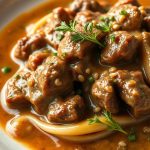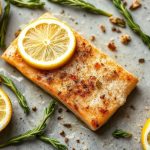

Mastering the chicken pan turns everyday poultry into a textured, flavorful main. This guide distills searing, heat management, marinades, and pan-sauce technique into clear, repeatable steps you can use tonight.
- Control heat: A hot pan for sear, medium-low to finish.
- Dry & rest: Pat dry before searing; rest after cooking.
- Build fond: Use pan drippings to make quick sauces.
- One-pan meals: Cook chicken, then toss vegetables in the same skillet.
Recipe Overview
Preparation: 15 minutes. Cooking: 20 minutes. These windows let you manage carryover heat and timing reliably.
Total Time: 35 minutes. Keep a meat thermometer nearby for consistent results and safety. See the meat thermometer reference for accuracy: Meat thermometer.
Yield
Serves 4 when using four 6-oz thighs. Scale marinade and cooking time for more pieces, avoiding overcrowding.
For family meals, pair with two sides to balance plate nutrition and texture. Use the pan juices to glue the components together.
Difficulty
Intermediate. The technique requires heat control and timing but rewards precise searing and flavor layering.
If you can manage a skillet and read an instant-read thermometer, you can master this. Practice builds predictable results.
Ingredients
Core proteins and fats: 4 skin-on, boneless chicken thighs (about 6 oz each), patted dry; 2 Tbsp olive oil.
Seasonings & aromatics: 1 tsp smoked paprika, 1 tsp garlic powder, 1/2 tsp black pepper, 1/2 tsp fine sea salt, juice and zest of 1 lemon, 2 Tbsp chopped rosemary, 2 cloves garlic thinly sliced. Optional: 1 Tbsp honey; 1/4 cup low-sodium chicken broth for deglazing.
Use fresh herbs when possible for brightness; swap rosemary for thyme for a milder profile. For citrus reference: Lemon.
Instructions
This section gives a stepwise approach designed for repeatability. Read all steps once before you start to streamline timing.
Maintain short, deliberate actions: preheat, sear, flip, finish under a lid, then reduce liquids into a pan sauce. Work efficiently while the pan stays hot.
Step-by-step
1. Marinate: Combine olive oil, smoked paprika, garlic powder, salt, pepper, lemon juice and zest, chopped rosemary, and honey. Toss chicken to coat and rest 10-15 minutes at room temperature to take the chill off and let flavors begin to penetrate.
Short marination improves surface seasoning and helps the skin crisp. Avoid long acidic marinades for thin cuts to prevent a mushed texture.
2. Choose and preheat the pan
Use a heavy skillet to retain heat and form fond. A heavy stainless steel or cast-iron pan works best; see material notes: Frying pan and Cast-iron cookware.
Preheat over medium-high until a drop of water skitters and evaporates. A properly preheated surface creates an immediate sear and better browning.
3. Sear the chicken
Place thighs skin-side down without crowding. Sear until the skin reaches deep golden-brown, about 6–8 minutes; resist moving the pieces early so the crust forms.
Let the rendered fat cook off and contribute to the pan flavor base. Proper searing locks juices and yields a textured exterior.
4. Flip, add aromatics, and finish
Flip once, add sliced garlic and a splash of chicken broth to deglaze. Lower heat to medium, cover loosely, and cook another 6–10 minutes until the internal temperature reads 165°F (74°C).
Finish covered to cook through without drying. Remove from heat and rest five minutes to let juices redistribute for a juicier bite.
5. Make the pan sauce
Remove chicken to rest. Increase heat and reduce the liquid, scraping up browned bits to create a concentrated sauce. Add lemon zest and a knob of butter or a drizzle of olive oil to round flavors.
Plate chicken and spoon sauce over the top. The sauce leverages the pan’s fond and provides layered flavor with minimal added ingredients.
Tips for Success
Dry the chicken thoroughly before seasoning; surface moisture steams and prevents searing. Use paper towels for a quick, effective dry.
Bring chicken closer to room temperature for consistent cooking. Cold meat takes longer to cook and risks uneven doneness.
After lowering heat, allow the pan to recover then resume cooking. Smoking indicates oil has reached its smoking point and the flavor will turn bitter if not corrected.
Herb swaps: Swap rosemary with thyme or sage for different aromatic profiles. Fresh herbs add lift late in cooking, while dried herbs work in the marinade.
When deglazing, scrape with a wooden spoon to release all caramelized bits. That fond is the quickest route to a restaurant-style finish.
Serving Suggestions
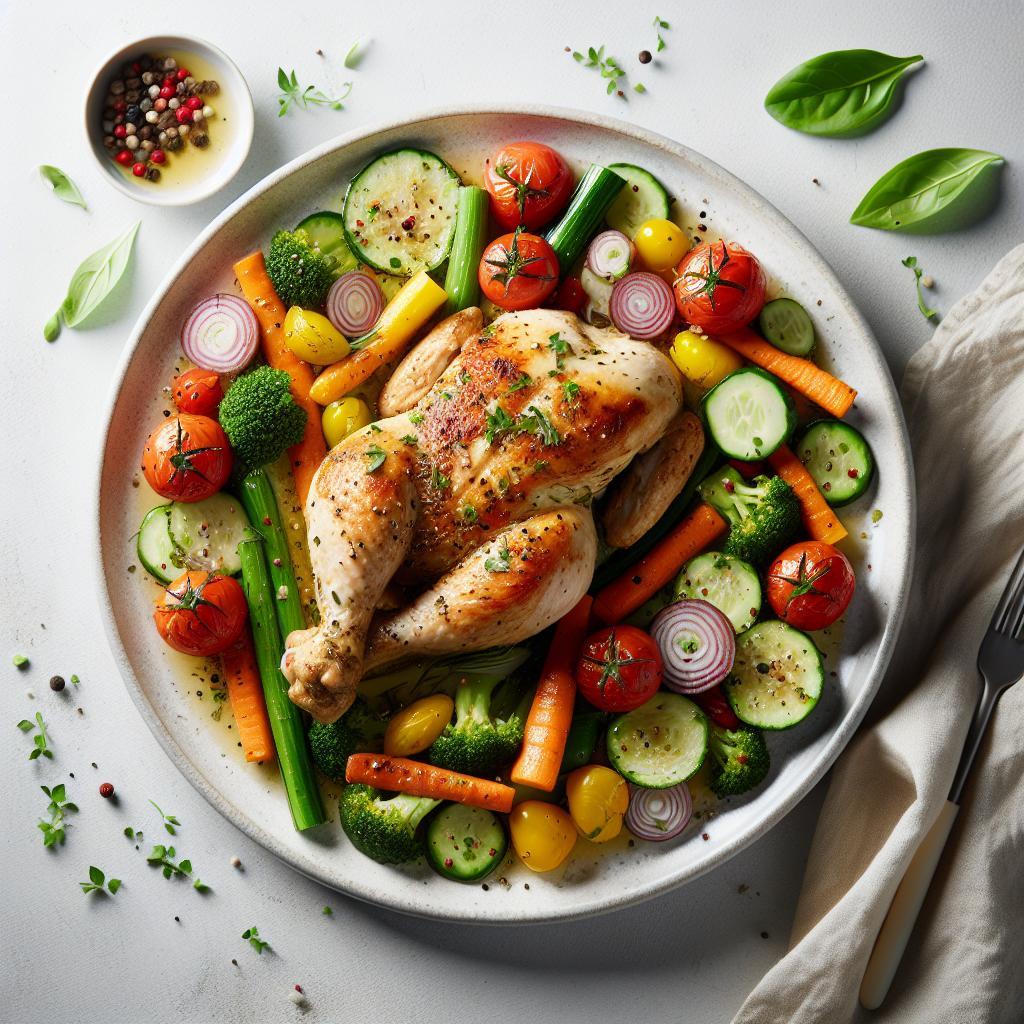
Serve seared chicken thighs over creamy mashed potatoes, roasted root vegetables, or a simple grain. Use warm pan sauce to tie the plate together.
For a lighter plate, serve with a vibrant green salad and a lemon wedge. Warm, crusty bread soaks up juices and adds contrast.
Nutrition
This recipe yields roughly 320 kcal per serving with about 28 g protein, depending on exact portions and additional sauce ingredients.
| Nutrition | Per Serving |
|---|---|
| Calories | 320 kcal |
| Protein | 28 g |
| Carbohydrates | 4 g |
| Fat | 20 g |

FAQ
What pan type yields the best sear?
A heavy, thick-bottomed skillet such as cast iron or heavy stainless steel retains heat and promotes even browning. Use a pan large enough to keep pieces from touching so steam does not form.
Reference materials on pan types can help your selection: Frying pan and Cast-iron cookware discuss material differences and maintenance.
How do I ensure the chicken stays juicy?
Pat poultry dry, sear at high heat, finish at medium, and rest after cooking. Use an instant-read thermometer to confirm 165°F (74°C) internal temp without guessing.
Resting for five minutes redistributes juices and reduces cut-side drip loss. For reliable results, check temperature in the thickest part of the thigh.
Can I make a pan sauce with no stock?
Yes. Deglaze with wine, citrus juice, or even water, then add aromatics. Reduce to concentrate the flavors before finishing with butter or oil for mouthfeel.
Use acidic elements strategically; lemon brightens, vinegar adds tang. Small additions make the sauce balanced and nuanced.
Is skin-on always better than skinless?
Skin-on offers texture and rendered fat that flavors the meat and pan sauces. Skinless cooks faster and needs gentler heat to stay moist.
For crispy skin, start skin-side down and resist flipping. For skinless breasts, consider brining or additional fats to preserve juiciness.
What herb and spice combinations work best?
Bright citrus plus an herb like rosemary or thyme pairs well with smoked paprika or garlic. Aim for contrast: acid, herbaceous notes, and a touch of sweet or heat.
Experiment in small batches to learn pairings you prefer. Fresh herbs added at the end preserve aromatic top notes.
Closing Remarks
Mastering the chicken pan depends on consistent heat, good tool choice, and attention to timing. Practice builds confidence and predictable results.
Apply these steps, tweak seasonings to your taste, and use the pan sauce to unify the plate. Each attempt teaches a small technique you can reuse and refine.
Sources referenced for technique and materials: Meat thermometer, Frying pan, Cast-iron cookware, and Lemon.
See also: chicken pan