
Build bright, portable meals with confident technique and minimal fuss. These 7 Mediterranean wrap ideas center on crisp vegetables, herb-forward sauces, and reliable protein to keep flavor balanced and textures lively.
- Versatile fillings: legumes, grilled veg, and simple proteins adapt to taste and diet.
- Fast assembly: most components take under 25 minutes from start to finish.
- Make-ahead friendly: store fillings separately and assemble before serving to avoid sogginess.
- Flavor balance: acid, fat, salt, and fresh herbs make each bite pop.
Mediterranean Ingredients That Elevate Every Wrap
The Mediterranean ingredient set emphasizes whole foods: legumes, seasonal vegetables, fresh herbs, and quality olive oil. These components layer into bright contrasts of crunch, cream, and acidity that work cold or warm.
Use regional cues to structure flavor. For example, lemon and garlic pair well with yogurt-based sauces, while smoked or grilled vegetables complement briny olives and feta. Learn more about the regional cuisine on Mediterranean cuisine.
Prep and Cook Time
Preparation: 15 minutes. Most chopping and mixing happens while warm components finish on the stove.
Cooking: 10 minutes. You can roast or pan-sear chickpeas and quick-grill vegetables in the same window. Total: 25 minutes.
Yield and Difficulty
This set of builds yields 4 large wraps, enough for four modest lunches or two hearty meals. Scale the ingredients linearly for larger batches.
Difficulty: Easy. The techniques are basic: toss, warm, assemble. The recipes emphasize speed and consistency so cooks at any level can reproduce reliable results.
Ingredients
Quantities below match four large wraps. The list favors pantry staples and flexible swaps so you can vary textures and calories without rewriting steps.
Core: 4 large whole wheat or spinach tortillas; 1 cup cooked chickpeas; 1/2 cup crumbled feta; 1 cucumber; 1 large tomato; 1/4 cup kalamata olives; 1 small red onion; 1/3 cup fresh parsley; 2 tbsp mint; 1 tbsp extra virgin olive oil; 1 tbsp lemon juice; 1/2 tsp ground cumin; salt and black pepper; 1/2 cup plain Greek yogurt (optional); 1 garlic clove (optional).
Swap ideas: replace feta with halloumi for charred-salting texture, use roasted eggplant for vegan richness, or add cooked quinoa to boost fiber and body. For flatbread context see pita.
Instructions
These steps maximize texture contrast. Toss chickpeas while vegetables are chilled, then warm bread just before assembly so wrappers stay pliable and fillings stay fresh.
Work in parallel: make the optional yogurt dressing while the tortillas warm on a skillet. Short rests let lemon and oil marry with spices and herbs for a brighter overall flavor.
1. Prepare the chickpeas
In a medium bowl, toss chickpeas with olive oil, lemon juice, cumin, salt, and pepper. Let them rest five minutes to absorb seasoning; the acid softens the exterior slightly and makes the mix livelier.
2. Combine the fresh ingredients
Add diced tomato, sliced cucumber, olives, red onion, parsley, and mint to the chickpeas. Toss gently to distribute moisture and seasoning so no single bite becomes soggy.
3. Warm the tortillas
Heat a skillet over medium heat and warm each wrap 20–30 seconds per side until soft. Alternatively, wrap tortillas in foil and heat at 350°F for five minutes to keep them evenly pliable.
4. Make the yogurt dressing (optional)
Whisk Greek yogurt with minced garlic, a pinch of salt, and a squeeze of lemon. Thin with a teaspoon of water if you need a pourable consistency that won’t saturate bread.
5. Assemble and finish
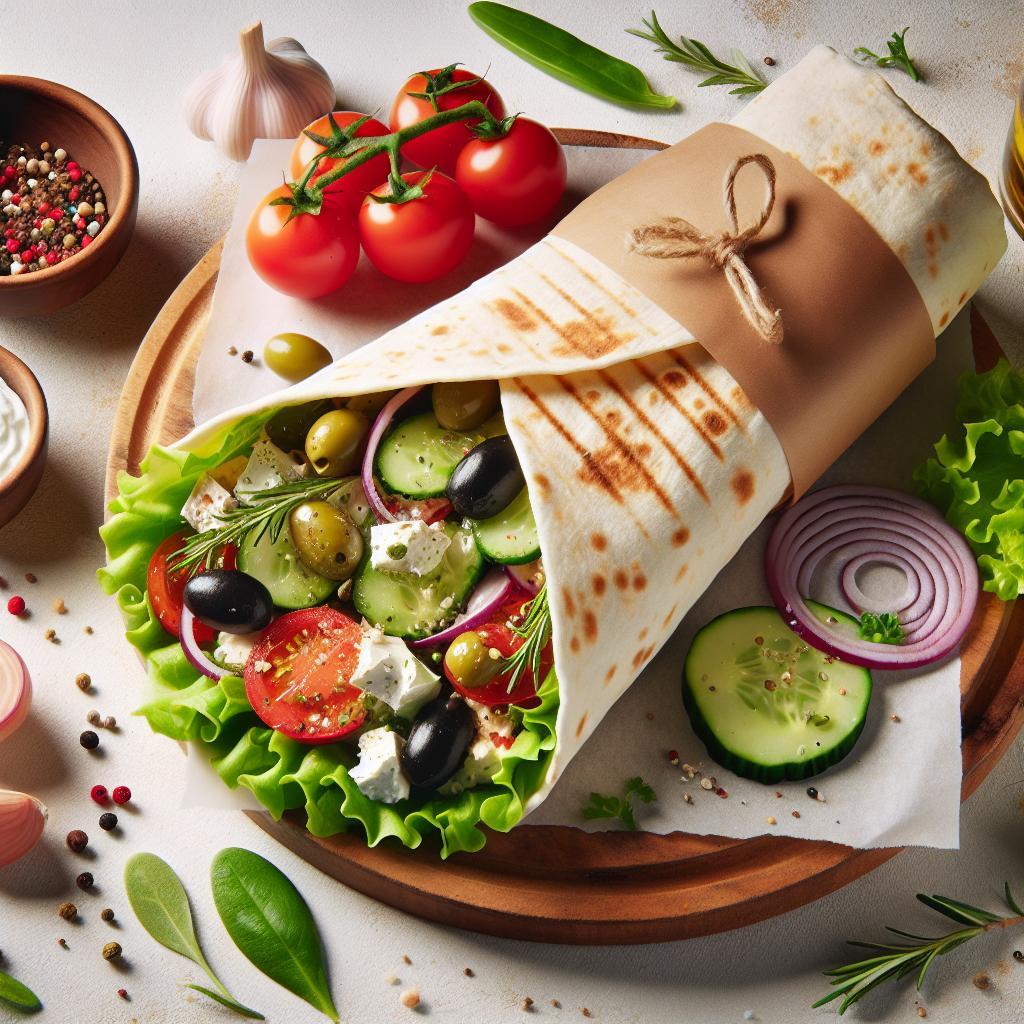
Spread dressing on the tortilla, spoon chickpea-vegetable mix, and scatter crumbled feta. Fold the sides and roll from the bottom to secure the filling. Cut diagonally for easier handling.
Seven Mediterranean Wrap Ideas
Below you’ll find seven focused builds using the same base techniques. Each idea shifts one or two ingredients to create a distinct profile while keeping assembly method identical.
Use these builds as templates. Swap proteins or starches freely to match pantry stock, dietary goals, or seasonal produce.
1. Classic Chickpea & Feta
Chickpeas, cucumber, tomato, red onion, parsley, mint, and crumbled feta. Dress with olive oil and lemon; add yogurt for creaminess. This classic highlights contrast between brine and acid.
2. Smoky Chickpea & Roasted Pepper
Roast red bell peppers and toss chickpeas with smoked paprika before assembling. The mildly smoky element pairs well with chopped parsley and a touch of tahini for richness.
3. Grilled Halloumi & Herb Mix
Pan-sear halloumi slices until golden and combine with cucumber, tomato, and mint. Halloumi adds chewy, savory texture that resists sogginess when wrapped warm.
4. Lemon-Tahini Chickpea Bowl Wrap
Whisk tahini with lemon and water and mix into chickpeas. Add shredded carrot and chopped parsley to brighten the bite and increase crunch.
5. Mediterranean Tuna & Olive
Use canned tuna packed in olive oil, flake and mix with olives, parsley, and red onion. Add capers for bracing salt and a squeeze of lemon for lift.
6. Roasted Veg & Quinoa
Roast zucchini and eggplant; combine with cooked quinoa and parsley. Drizzle olive oil and lemon over the mix for an earthy, filling vegan option.
7. Smoked Salmon & Dill
Layer smoked salmon with cucumber ribbons, dill, and a light yogurt-dill sauce. The smoke and herb profile keeps the wrap elegant and fresh without heavy sauces.
Small adjustments change texture and nutrition. For example, adding cooked farro or quinoa raises satiety and integrates whole-grain chew without diluting flavor.
To preserve texture, store wet ingredients separately from bread and assemble immediately before serving. This approach avoids limp wraps and preserves herb aroma.
Chef’s Tips for Customizing Your Mediterranean Wraps
Balance remains the primary lever. Use acid (lemon or a splash of red wine vinegar) and herbs to offset fat from cheese or oil, and adjust salt incrementally as you build flavors.
Texture matters. Add raw shredded carrot, thin celery, or quick-pickled red onion to introduce snap and cut through creamier elements like yogurt or tahini.
Protein and Plant-Forward Variations
Grilled chicken or smoked salmon increases animal protein and pairs well with lemon and dill. For plant-first builds, boost chickpeas, add quinoa or farro, and include tahini for creaminess.
When omitting cheese for vegan versions, use marinated tofu, roasted eggplant, or a tahini-lemon dressing to maintain mouthfeel and savory depth.
Serving Suggestions
Serve wraps with crunchy vegetable sticks, a simple green salad, or a small mezze spread to increase variety. A scoop of hummus or baba ghanoush makes a good side dip.
For regional condiments, offer tzatziki or a thin tahini sauce. If you want background on tzatziki, see tzatziki. Pair plates with a light drizzle of high-quality olive oil; learn about olive oil categories on olive oil.
For deeper reads on legumes and protein profiles consult the chickpea overview at chickpea.
Storage and Make-Ahead Strategy
Store fillings in airtight containers up to three days. Keep breads sealed separately at room temperature or refrigerated if your environment is humid.
For picnics, wrap assembled rolls tightly in foil and chill briefly. Unwrap and reheat the outer bread on a skillet to restore pliability and warm fillings without steaming them.
Wrapping Up Your Mediterranean Wrap Strategy
These 7 Mediterranean wrap ideas provide a consistent assembly method with numerous swaps. The builds prioritize fresh produce, bright acid, and proteins that hold up in a portable format.
Use the templates to create weekly rotation menus. Alternate chickpea-forward days with grilled-protein options to keep variety high without increasing prep time.
See also: explore more Mediterranean wrap content on our site: Mediterranean wraps collection and practical guidance on oil selection in our olive oil guide.
FAQ
What makes a Mediterranean wrap different from other wraps?
Mediterranean wraps focus on fresh vegetables, legumes, olive oil, and bright herbs. They tend to use yogurt, tahini, or olive-oil dressings rather than thick mayonnaise-based sauces.
Can I make Mediterranean wraps vegan?
Yes. Replace feta with roasted eggplant, marinated tofu, or seasoned chickpeas. Use tahini or avocado instead of yogurt to preserve creaminess.
Which breads work best for these wraps?
Soft flatbreads like pita, lavash, or whole wheat tortillas perform well. For background on pita and related flatbreads see pita.
How should I store leftovers?
Keep fillings refrigerated in airtight containers and store breads separately. Reassemble fresh to avoid sogginess and to preserve crunch and herb aroma.
How can I boost protein and fiber?
Add quinoa, farro, or additional beans. Increase chickpeas or add grilled chicken or halloumi. Whole grains and legumes raise fiber and improve satiety without heavy fats.
Recommended Reading:
- 10-Minute Beef Stir-Fry: Fast, Flavorful One-Pan Dinner
- 7 Bright Reasons to Make Zesty Greek Lemon Soup (Avgolemono)
- 7 Pro Tips to Master Beef Moussaka & Roasted Tomato Bruschetta