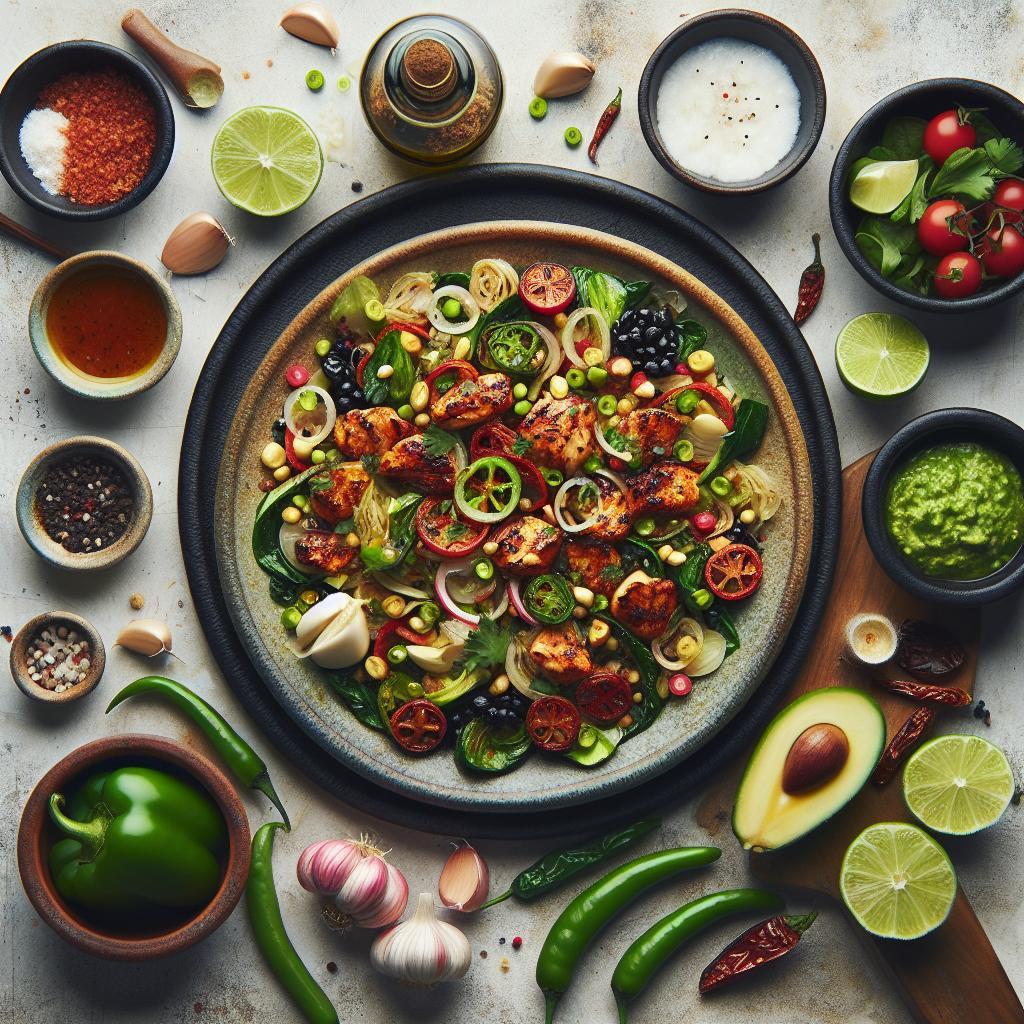

Mexican garlic delivers a pronounced aroma and concentrated flavor that chefs use to amplify savory dishes quickly. Its larger cloves and vibrant profile make it a favored choice for punchy salsas, stews, and marinades.
- Bold aroma: Mexican garlic often brings higher pungency per clove, so use less for balanced heat.
- Versatile: It brightens raw preparations and caramelizes well when roasted.
- Storage tip: Store in a cool, ventilated place to keep cloves firm and flavorful.
- Chef-tested: Swap one regular clove for a Mexican clove to intensify flavor in many recipes.
Origins & Plant Characteristics
Garlic belongs to the genus Allium, which includes onions, leeks, and chives. Mexican garlic comes from cultivars adapted to regional climates and soils, which affect bulbing, clove size, and essential oil concentration.
Regional terroir influences sugar and sulfur compound ratios, so Mexican-grown garlic can present a sharper, slightly sweet finish. For historical and culinary context, see Mexican cuisine, where garlic integrates into sauces, marinades, and household staples.
What Makes Mexican Garlic Distinct
Clove size and moisture content often differ from imported varieties, which changes how quickly garlic browns and how intensely it perfumes a pan. Chefs prize this variety because it amplifies savory notes without overpowering other ingredients.
Moreover, soil mineral content and harvest timing affect allicin production, the compound responsible for that sharp scent. For botanical and culinary comparisons, refer to garlic literature.
Recipe: Garlic-Zucchini Sauté (Using Mexican Garlic)
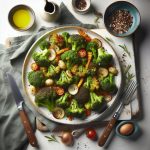
This simple skillet recipe showcases Mexican garlic’s punch and how it marries with vegetables. The method highlights quick searing and gentle simmering to keep garlic vibrant and fresh.
Prep and Cook Time
Preparation Time: 10 minutes. Cook Time: 25 minutes. Total Time: 35 minutes.
Yield & Difficulty
Serves: 4 generously. Difficulty: Medium — suitable for home cooks who follow timing and heat control closely.
Ingredients
- 8 cloves Mexican garlic, minced
- 2 tablespoons extra virgin olive oil
- 1 large yellow onion, finely chopped
- 2 medium tomatoes, diced
- 1 teaspoon smoked paprika
- 1 teaspoon ground cumin
- 1 fresh jalapeño, seeded and minced (optional)
- 1 cup vegetable broth
- 1 medium zucchini, diced
- Salt and freshly ground black pepper, to taste
- Fresh cilantro for garnish
- 1 lime, cut into wedges
Instructions
- Heat the oil in a heavy skillet over medium heat. Add minced Mexican garlic and sauté 1–2 minutes until fragrant, stirring constantly to avoid browning.
- Add the onion and cook until translucent, about 5 minutes, stirring occasionally to maintain even cooking.
- Stir in tomatoes and spices — smoked paprika, cumin, and jalapeño if using. Cook 5 minutes until tomatoes release juices and soften.
- Pour in broth and bring to a simmer. Cook uncovered 10 minutes, stirring now and then to meld flavors.
- Add zucchini and cook another 5 minutes until tender but still vibrant; adjust seasoning with salt and pepper.
- Finish off heat and let rest 2 minutes to allow flavors to marry. Garnish with cilantro and lime before serving.
Culinary Uses & Practical Tips
Mexican garlic shines in both raw and cooked applications. When raw, it lends immediate heat to salsas and dressings; when cooked, it softens and sweetens, adding depth to stews and sauces.
Use less garlic than you would with milder varieties, because a single Mexican clove can match two standard cloves in intensity. For creative ideas, try infusing oil with whole cloves or roasting heads to mellow sharpness and unlock caramelized flavors.
Storage, Handling & Safety
Keep garlic in a cool, dry, ventilated spot away from direct sunlight to prevent sprouting and softening. Avoid refrigeration for whole bulbs, since cold, moist environments reduce texture quality.
When you cut or crush garlic, volatile oils release and degrade over time; use prepared garlic within a day or two for peak flavor. Also, handle garlic with care at high heat to prevent burning, which produces an undesirable bitterness.
Nutrition & Functional Benefits
Garlic provides trace nutrients and phytochemicals, including sulfur-containing compounds linked to flavor and physiological effects. Chefs and nutritionists use garlic for taste first, with any health benefits as secondary advantages.
Scientific reviews associate garlic compounds with antioxidant activity and cardiovascular support in certain contexts, though dosage and preparation affect results. For general background, consult the main garlic overview on botanical and nutritional properties.
Serving Suggestions
Serve the garlic-zucchini sauté with warm corn tortillas or over fluffy rice to showcase bold flavors. Add lime and cilantro to lift the dish and balance garlic’s pungency with brightness.
For protein, fold in cooked chickpeas or black beans toward the end of cooking to retain texture. Alternatively, use the sauté as a topping for grilled proteins or as a hearty filling in tacos and grain bowls.
Nutritional Snapshot
| Nutrient | Per Serving |
|---|---|
| Calories | 180 kcal |
| Protein | 5 g |
| Carbohydrates | 15 g |
| Fat | 10 g |
FAQ
This FAQ answers practical questions about sourcing, use, and storage of Mexican garlic. Each item reflects culinary experience and commonly referenced facts.
Read these Q&A items to resolve quick doubts before you cook or store garlic. They complement the recipe and tips above.
What differentiates Mexican garlic from other types?
Mexican garlic often yields larger cloves and a more concentrated flavor due to regional cultivars and soil conditions. These factors increase the intensity of sulfur compounds that deliver garlic’s signature aroma.
Can I use Mexican garlic raw in sauces and dressings?
Yes. Raw Mexican garlic adds a potent sharpness that lifts salsas, dressings, and guacamole. Use sparingly and taste as you go to avoid overpowering delicate ingredients.
How should I store whole bulbs to maximize shelf life?
Store whole bulbs in a ventilated container in a cool, dry place. Avoid sealing them in plastic, which traps moisture and speeds spoilage or sprouting.
Is there a best way to mellow the bite for milder dishes?
Roasting whole bulbs transforms harsh sulfur notes into a sweet, spreadable paste. Alternatively, sauté briefly over low heat or blanche cloves to lower intensity before adding to recipes.
Where can I learn more about garlic varieties and culinary uses?
Authoritative resources on garlic include botanical and culinary references, such as the main garlic entry. For regional cooking techniques, explore Mexican cuisine and related Allium horticulture at Allium.
See also: Mexican garlic