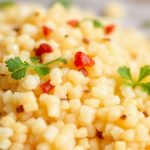
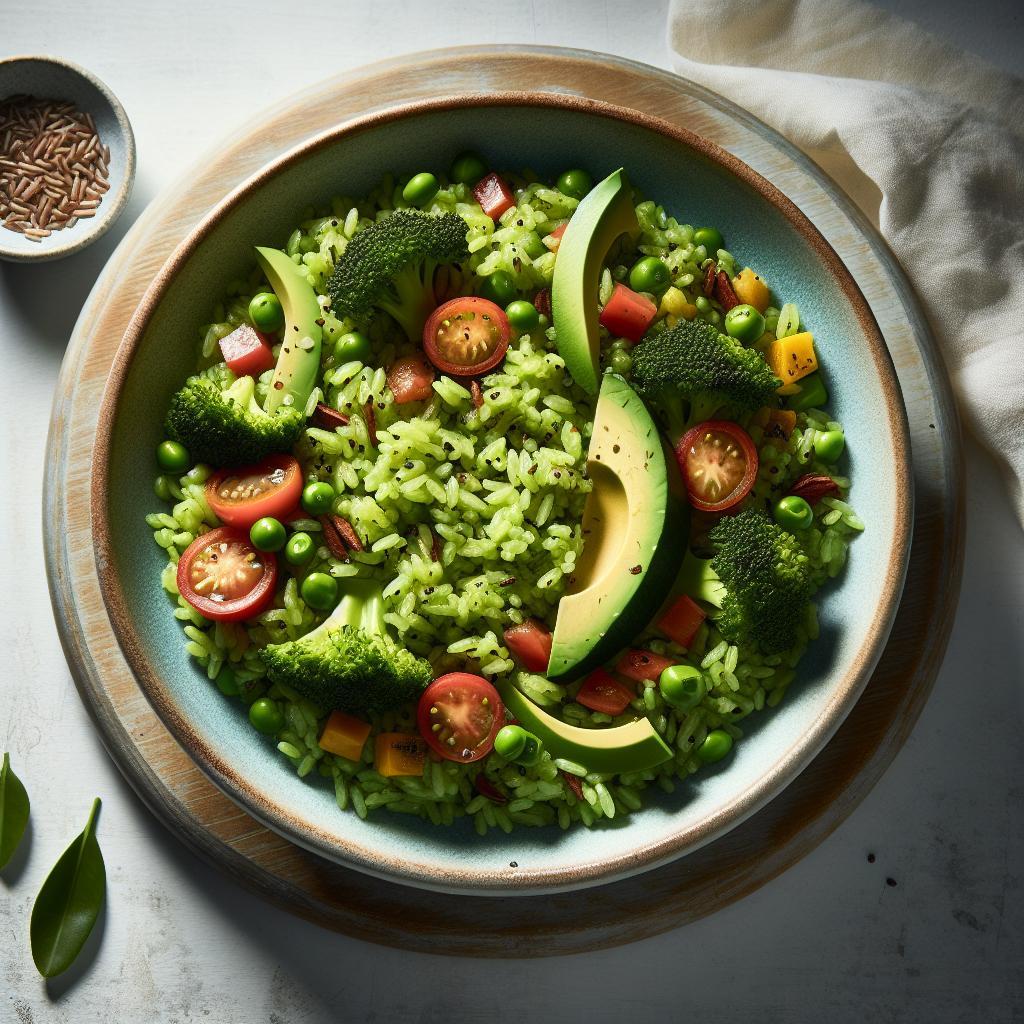

Mexican green rice transforms plain long-grain rice into a vivid, herb-forward side that complements grilled meats, seafood, and vegetarian mains. The bright color and layered flavors come from roasted poblanos, fresh cilantro, and bright lime, producing a fragrant rice with clean, green notes.
- Quick cook: Ready in about 40 minutes with simple pantry ingredients.
- Flavor profile: Herbaceous, slightly smoky, and tangy from lime.
- Diet-friendly: Naturally vegan and gluten-free when you use vegetable broth.
- Versatile: Serves as a base, side, or filling for bowls and tacos.
What Mexican Green Rice Is and Why It Works
Green rice relies on a concentrated puree of fresh herbs and green chiles to infuse every grain with flavor and color. The method differs from tomato-based red rice because the sauce mixes into the cooking liquid rather than replacing it entirely.
This approach yields rice that stays fluffy while absorbing herb oils and mild capsaicin from roasted peppers. For background on the culinary context, see Mexican cuisine.
Prep and Cook Time
Preparation: 15 minutes. Most time goes to roasting and blending the green base. Hands-on time is short; the rice simmers unattended.
Cooking: 25 minutes simmering and resting. Total time: roughly 40 minutes from start to table.
Yield and Difficulty
This recipe yields 4 generous portions, suitable for family dinners or batch-cooking for lunches. Scale easily by multiplying rice and liquid ratio.
Difficulty ranks Easy to Medium. The key technique is toasting rice evenly and ensuring the green puree is smooth and well-seasoned before simmering.
Ingredients
Use long-grain white rice for optimal fluff. Rinsing the rice removes surface starch and prevents clumping during cooking.
Core ingredients include roasted poblano, cilantro, parsley, garlic, lime, and vegetable broth. For botanical context on cilantro, consult Coriander.
- 1 ½ cups long-grain white rice, rinsed until water runs clear
- 2 tablespoons vegetable or avocado oil
- 1 small onion, finely chopped
- 2 garlic cloves, minced
- 3 fresh poblano peppers, roasted, peeled, seeded, chopped
- 1 cup cilantro leaves, packed
- 1 cup parsley leaves, packed
- 1 ½ cups low-sodium vegetable broth
- 1 tablespoon fresh lime juice
- 1 teaspoon ground cumin
- Salt and freshly ground black pepper, to taste
Instructions
Follow a two-stage process: build a green flavor base, then toast and simmer the rice in that liquid. Keep heat moderate to avoid scorching the rice during toasting.
Measure liquids carefully. A slight excess will make rice sticky; a small deficit will undercook grains. Maintain a 1:1.0 to 1:1.1 rice-to-liquid ratio when using long-grain white rice and a blended puree.
Step 1 — Prepare the green base
Char the poblanos over a gas flame or under a broiler until blackened, then seal in a bowl to steam for 10 minutes and peel; this removes bitter skin while keeping smoky flavor. Combine peeled poblanos, cilantro, parsley, lime juice, half the broth, and garlic in a blender and purée until completely smooth.
Taste the puree and adjust salt and lime. A balanced puree reads bright, slightly acidic, and salty enough to season the rice once diluted by the remaining broth.
Step 2 — Toast the rice and sweat aromatics
Heat oil in a heavy-bottomed skillet over medium heat. Add the rinsed rice and toast, stirring, until edges turn translucent and a nutty aroma appears, about 4–5 minutes.
Add the chopped onion and cook until softened and glossy, another 3–4 minutes. This step layers flavor and reduces excess moisture before the simmer.
Step 3 — Combine, simmer, and rest
Pour the green puree over the rice and onions, stirring to coat evenly. Add the remaining broth and ground cumin, then season with salt and pepper to taste before bringing to a boil.
When the pot reaches a gentle boil, reduce heat to low, cover tightly, and simmer for 18–20 minutes. Remove from heat and let rest, covered, for 5 minutes; then fluff with a fork to separate grains.
Tips for Success
Small technique choices affect texture and color. Roast peppers fully for depth, blend until smooth for an even hue, and toast rice for a nuttier mouthfeel.
Use low-sodium broth so you control final salt. If you aim for an earthier green, add a handful of blanched spinach to the blender; it will deepen color without overpowering the herbs.
[ TIP ]Expert Insight: For the cleanest green color, blitz the herbs and peppers chilled. Cold puree slows pigment oxidation and helps maintain a bright hue during cooking.[/ TIP ]
- Roast correctly: Blacken skins then steam for easy peeling and better flavor.
- Adjust heat: Add a serrano or jalapeño to the blender if you want more kick.
- Make ahead: Refrigerate in an airtight container up to 3 days; refresh with a splash of broth when reheating.
- Substitutions: Use mild green bell peppers plus a pinch of smoked paprika if poblanos are unavailable.
Serving Suggestions and Pairings
Serve Mexican green rice next to grilled chicken, seared fish, or braised vegetables for contrast in texture and temperature. It also pairs well with black beans and avocado for a vegetarian plate.
Finish with fresh cilantro sprigs, diced avocado, and a lime wedge for brightness. For textural contrast, sprinkle toasted pumpkin seeds or crumbled queso fresco on top.
[ WARNING ]Pro-Caution: If you have a sensitivity to capsaicin, remove seeds and membranes from chiles and start with one poblano; heat concentrates in membrane tissues.[/ WARNING ]
When serving to guests, offer lime wedges and sliced chiles on the side so each person can control acidity and heat. These small options improve perceived freshness and satisfaction.
Nutrition Snapshot
A standard serving provides roughly 210 kcal, modest protein, and a low fat profile when prepared with minimal oil. Fresh herbs add micronutrients like vitamin K and vitamin C.
To increase fiber and sustain energy, substitute brown rice using a slightly longer cooking time and a 1:1.5 rice-to-liquid ratio. That change elevates the dish’s nutritional density while preserving the core flavor profile.
| Nutritional Element | Per Serving |
|---|---|
| Calories | 210 kcal |
| Protein | 5 g |
| Carbohydrates | 42 g |
| Fat | 4 g |
Regional Variations and Ingredient Notes
Green rice appears in multiple Mexican households and regional menus, with variations that reflect local produce and heat tolerance. Some cooks favor tomatillos or spinach to shift acidity and color.
For botanical context on tomatillos and related ingredients, review Tomatillo. For pepper background, see Poblano. These references clarify why certain ingredients act as flavor anchors.
Storage and Reheating
Store cooled rice in an airtight container in the refrigerator for 3–4 days. To reheat, add a tablespoon of broth or water and cover the pan to steam gently over low heat.
Microwaving works for convenience; cover the bowl and heat in short bursts, stirring in between. Revive texture by adding a small amount of oil or butter if the rice seems dry.
FAQ
What makes Mexican green rice different from red rice?
Green rice uses a blended herb and pepper sauce that flavors the cooking liquid, delivering herbaceous and bright notes. Red rice relies on tomato, annatto, or powdered chiles for color and a different savory baseline.
Can I make this recipe vegan and gluten-free?
Yes. Use vegetable broth and plant-based oil. The core ingredients are naturally gluten-free, and the recipe contains no dairy unless you add cheese as a garnish.
How can I keep the rice fluffy and separate?
Rinse the rice to remove excess starch, toast the grains briefly, then simmer gently without stirring. Rest covered after cooking and fluff with a fork to separate grains.
Which rice variety is best for texture?
Long-grain white rice gives the fluffiest result and distinct grains. If you prefer whole grains, use brown long-grain rice but increase liquid and simmer time accordingly.
How can I control the spice level?
Adjust heat by changing the peppers: use only poblanos for mild heat, add jalapeño or serrano for more kick, and remove seeds/membranes to reduce capsaicin.
For a deeper primer on rice itself, see Rice. These resources support technique choices and ingredient substitutions.
See also: Green Rice