
One-Pan Greek Salmon: Flavorful, Easy, and Healthy Meal
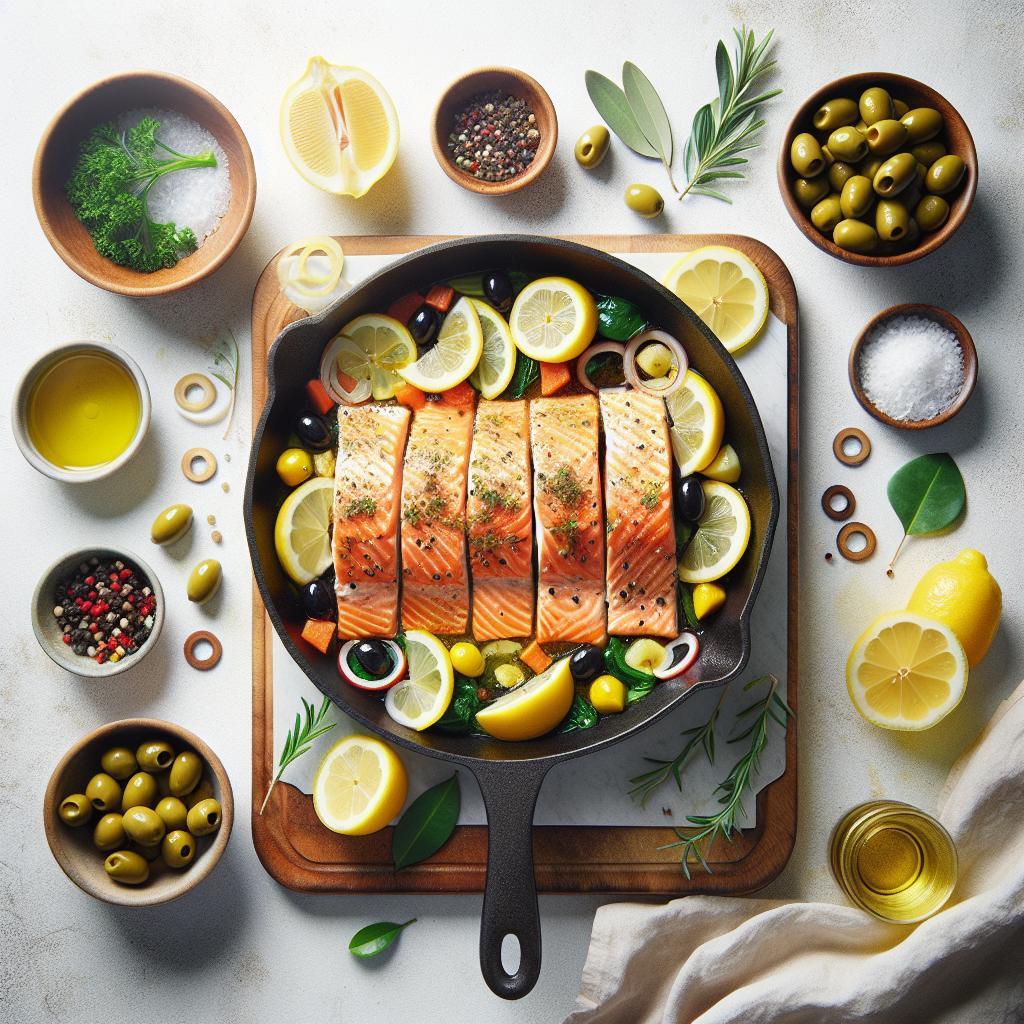
One-pan Greek salmon brings Mediterranean brightness to a fast, nutritious dinner that still looks like effort. The recipe pairs tender, omega-3 rich salmon with bright lemon, briny olives, and blistered tomatoes for a balanced plate that cooks in one pan and cleans up fast.
- Ready in 30 minutes: quick prep and fast roast.
- Minimal cleanup: one pan hosts fish and vegetables together.
- Balanced nutrition: oily fish, vegetables, and olive oil.
- Customizable: swap vegetables to suit your pantry.
The core profile draws on classic Mediterranean cuisine elements: citrus, herbs, olives, and quality olive oil. Use this framework to adjust seasonings or sides while retaining the dish’s bright, accessible character.
Prep and Cook Time
Preparation: 10 minutes. Keep prep tight by trimming and slicing ingredients first and having all seasonings at hand.
Cooking: 20 minutes. Roast at 400°F (200°C) until the salmon flakes and the tomatoes blister. Rest for a couple of minutes before serving.
Yield and Difficulty
This recipe yields 4 servings using four salmon fillets (about 6 oz each). It scales linearly: double the vegetables and use a larger pan to maintain even roasting.
Difficulty registers as Easy. The technique focuses on straightforward seasoning, even spacing in the pan, and monitoring roast time to avoid overcooking the fish.
Ingredients
Choose firm, fresh salmon fillets for the best texture; look for even thickness for uniform cooking. Salmon is a high-omega-3 fish that provides protein and healthy fats when baked simply.
Use ripe cherry tomatoes, Kalamata-style olives, and fresh herbs to preserve the Mediterranean profile. Quality olive oil makes a notable difference in flavor and mouthfeel.
- 4 salmon fillets (6 oz each), skin on
- 3 tbsp extra virgin olive oil
- 3 cloves garlic, minced
- 1 lemon, thinly sliced plus 2 tbsp freshly squeezed lemon juice (lemon)
- 1 tsp dried oregano (or 1 tbsp fresh oregano), chopped (oregano)
- 1 cup cherry tomatoes, halved
- 1 small red onion, thinly sliced
- 1/2 cup pitted Kalamata-style olives, halved (olives)
- Salt and freshly ground black pepper, to taste
- Fresh parsley and/or dill, roughly chopped for garnish
Instructions
Preheat the oven to 400°F (200°C). Use a large, rimmed baking sheet or shallow roasting pan so juices collect but do not overflow.
Spread the vegetables and lemon slices in an even layer, drizzle with olive oil, then season lightly with salt and half the oregano. This bed creates steam and flavor for the salmon to rest on and absorb.
Sear then Roast: Technique Breakdown
Pat salmon dry and rub with lemon juice, garlic, salt, pepper, and remaining oregano. Dry skin and room-temperature fillets sear or roast more predictably and yield a better texture.
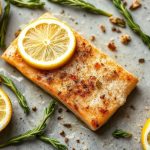
Arrange fillets skin-side down on the vegetable bed. Roast for 15–18 minutes depending on thickness; the internal temperature should reach 125–130°F for medium-rare to medium, then rise slightly during rest.
Step-by-Step Roast (Quick Reference)
1. Preheat oven and oil the pan. 2. Layer tomatoes, onion, olives, and lemon. 3. Season vegetables and salmon separately. 4. Nestle salmon on top and roast until flaky.
Finish with a generous sprinkle of fresh herbs and a final squeeze of lemon juice. Serve immediately to preserve texture and temperature contrast between fish and vegetables.
Tips for Success
For crisp skin, ensure the skin is dry and the fillets have direct contact with the hot pan surface. A hot oven and even spacing prevent steaming and help the skin render properly.
Adjust herb intensity to taste: reduce dried oregano if you prefer milder notes, and add more fresh parsley or dill at the end for brightness. Fresh herbs added at the end preserve aromatic oils.
Let the dish rest for two minutes after roasting. Resting lets the juices redistribute and prevents excessive flaking when you plate the fish.
Serving Suggestions
Serve over fluffy quinoa or whole-grain couscous to absorb savory pan juices and add a satisfying grain component. A crisp Greek-style salad complements the main dish with fresh acidity and crunch.
A light accompaniment such as steamed green beans or roasted asparagus keeps the plate balanced without competing with the salmon’s flavor. Warm whole-grain bread works well to soak up the olive oil and lemon juices.
Nutritional Information
The plate offers a strong protein profile from salmon along with healthy fats and fiber-rich vegetables. Typical per-serving estimates include around 350 kcal, roughly 34 g protein, and 20 g fat, depending on portion size and added oil.
For people tracking macronutrients, remove or reduce oil to lower calorie totals, or scale serving sizes for protein-focused meals. Salmon supplies vitamin D and long-chain omega-3 fatty acids that support cardiovascular and cognitive health.
| Nutrient | Amount per Serving |
|---|---|
| Calories | 350 kcal |
| Protein | 34 g |
| Carbohydrates | 9 g |
| Fat | 20 g |
| Fiber | 3 g |
FAQ
Can I use frozen salmon for this recipe?
Yes, but thaw completely and pat dry before seasoning to remove excess moisture. Thawing prevents uneven cooking and dilution of the pan flavors.
If you must cook from frozen, increase oven time and cover loosely with foil to allow even heat transfer, though texture may differ from fresh or fully thawed fillets.
How do I get crispy skin without pan-searing first?
Dry the skin thoroughly and roast at a higher initial temperature for the first five minutes, then lower the oven to finish cooking. This method helps render fat and crisp the skin even on a sheet pan.
Alternatively, sear skin-side down in a hot skillet for 1–2 minutes before transferring to the oven to complete the roast when time permits.
What herbs pair best with Greek salmon?
Oregano, parsley, and dill form the classic trio. Oregano provides the earthy backbone while dill and parsley add freshness that brightens the plate.
Use dried oregano sparingly and boost with fresh herbs at the end; fresh herbs retain volatile oils that deliver immediate aromatic impact when served.
Can I make this dairy-free or gluten-free?
Yes. The recipe is naturally gluten-free when using certified gluten-free ingredients. Omit feta or other dairy toppings to keep it dairy-free without compromise.
For added creaminess in dairy-free versions, finish with a spoonful of tahini-thinned lemon sauce or a dollop of mashed avocado if desired.
How long do leftovers keep?
Store leftovers in an airtight container in the refrigerator for up to 2 days for best quality. Reheat gently to avoid overcooking the salmon.
For meal prep, serve chilled over salads or reheat briefly in a low oven (275°F) until just warm to preserve moisture and texture.
Final Notes
One-Pan Greek Salmon furnishes weeknight dinners with reliable flavor, fast timing, and nutritional balance. The method scales and adapts well to seasonal vegetables and pantry herbs.
Use the recipe as a template: prioritize fresh citrus, quality olive oil, and controlled roast time for the best outcome. With minimal steps, you get a plate that impresses guests and satisfies busy families alike.
See also: Greek Salmon