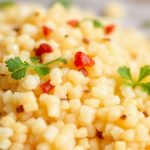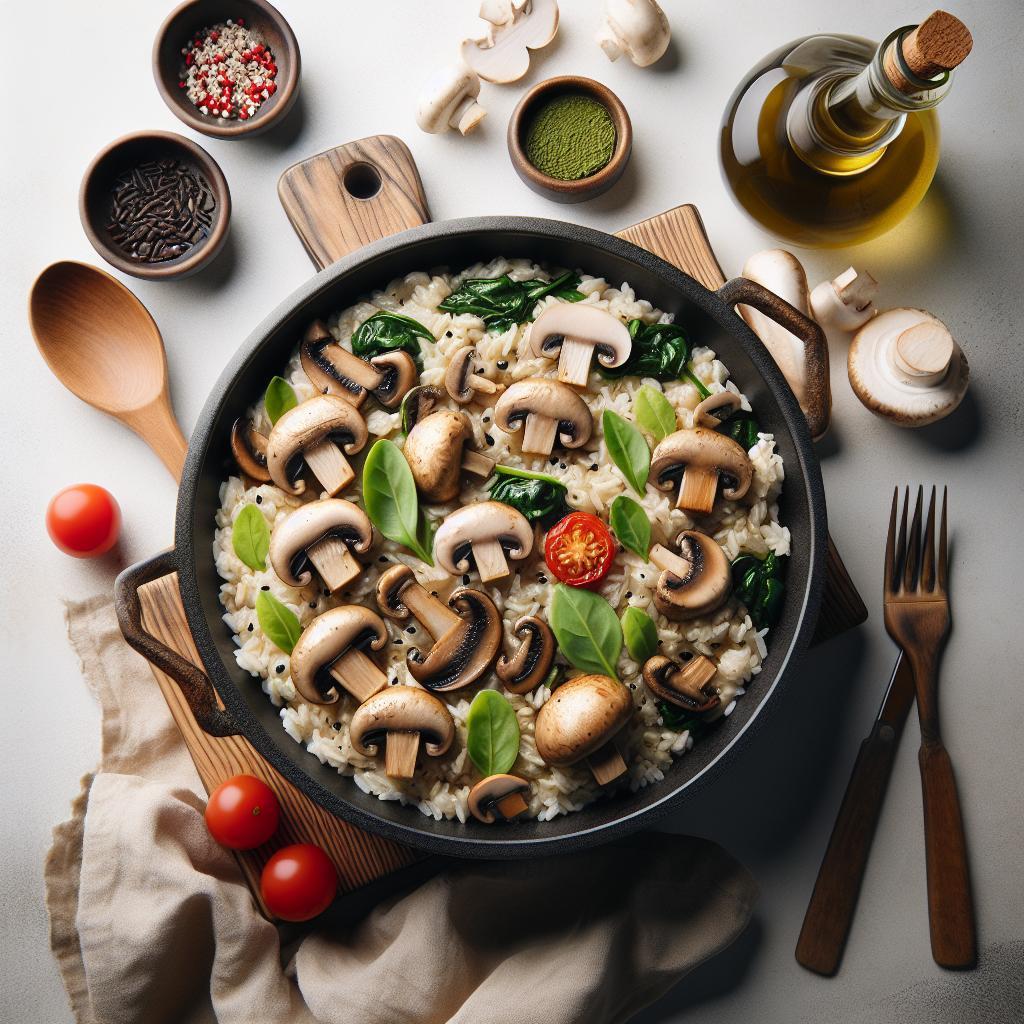

One-pot creamy mushroom rice turns pantry staples into a comforting, restaurant-style bowl with minimal fuss. The method layers browned mushrooms, toasted short-grain rice, and a final finish of cream or its plant-based alternative for a silky mouthfeel.
- Mushroom Rice: Prep and Cook Time
- Mushroom Rice: Yield and Difficulty
- Mushroom Rice: Ingredients
- Mushroom Rice: Equipment and Rice Notes
- Mushroom Rice: Instructions
- Mushroom Rice: Tips for Success
- Mushroom Rice: Serving Suggestions
- Mushroom Rice: Flavor Science and Ingredient Notes
- Mushroom Rice: Nutrition Per Serving
- Mushroom Rice: Make-Ahead, Storage and Reheating
- Mushroom Rice: Common Variations
- Mushroom Rice: FAQ
- Ready in 35 minutes: Fast cooking and minimal cleanup.
- Flexible ingredients: Swap dairy or mushroom varieties to suit diet and season.
- Consistent texture: Short-grain rice releases starch for natural creaminess without constant stirring.
- Make-ahead friendly: Reheat with a splash of broth to refresh the texture.
Mushroom Rice: Prep and Cook Time
Prep Time: 10 minutes. Keep mise en place simple: dice onion, mince garlic, and slice mushrooms before the pan gets hot. Organized prep speeds the browning and prevents overcooking.
Cook Time: 25 minutes. Use steady covered heat to encourage starch release from the rice and to let mushroom flavors meld into the broth. Maintain a low simmer once the lid is down.
Mushroom Rice: Yield and Difficulty
Yield: Serves 4 generous portions. Scale rice and broth proportionally by weight for reliable results. A kitchen scale improves repeatability across batches.
Difficulty: Easy. The technique emphasizes timing and temperature control rather than advanced skills. Heat management and accurate liquid ratios deliver consistent results.
Mushroom Rice: Ingredients
Use these core components for the best balance of texture and flavor. Measure rice and broth precisely to hit the creamy target every time.
Ingredients (serves 4):
- 1 ½ cups Arborio rice (or other short-grain rice)
- 3 cups low-sodium vegetable broth
- 2 tablespoons unsalted butter or neutral oil
- 1 small yellow onion, finely diced
- 3 garlic cloves, minced
- 12 ounces mixed mushrooms (cremini, shiitake, oyster), sliced
- ½ cup heavy cream or plant-based cream
- ¼ cup grated Parmesan or nutritional yeast
- 1 teaspoon fresh thyme leaves
- Salt and black pepper, to taste
- 2 tablespoons chopped parsley, for garnish
- 1 tablespoon olive oil
Mushroom Rice: Equipment and Rice Notes
Choose a heavy-bottomed pot with a tight-fitting lid to keep steam and heat even. A wide, heavy pot encourages quick evaporation and browning before the lid goes on.
Arborio rice is recommended because its structure releases starch during cooking, producing a creamy matrix similar to classic risotto techniques. Read more on Arborio rice for background on grain types and behavior.
Mushroom Rice: Instructions
This one-pot method concentrates flavor and avoids extra washing. Keep heat at medium for browning, then reduce to a gentle simmer for even rice cooking.
Read each numbered step before starting so the rhythm stays steady and efficient. Follow the sequence for best texture control.
Step-by-step method
1. Prepare the mushrooms
Heat the olive oil over medium-high heat until shimmering. Add sliced mushrooms in a single layer and avoid crowding; this preserves texture and improves browning.
Cook until deep golden, about 6–8 minutes, stirring occasionally. Remove the mushrooms and set them aside so they don’t release liquid back into the pot while you cook the aromatics.
2. Sauté aromatics and toast rice
Reduce heat to medium and melt the butter. Add the diced onion with a pinch of salt and cook until translucent, about 4 minutes, then stir in the garlic and thyme for one minute to bloom aroma and essential oils.
Add the short-grain rice and toast for 2–3 minutes until glossy and fragrant. Toasting reduces surface starch and helps the grains retain slight bite while still supporting a creamy finish.
3. Add broth and simmer
Pour in warm broth all at once, stir briefly, and bring to a gentle simmer. Cover the pot and lower the heat; do not lift the lid for the first 15 minutes to allow consistent absorption and even heat distribution.
After 15 minutes, fold the reserved mushrooms into the rice, recover, and cook for another 5 minutes. This integrates mushroom flavor without overcooking the grains.
4. Finish with creaminess
Remove the pot from heat and stir in the cream and Parmesan until the rice becomes luxuriously creamy. Taste and adjust salt and pepper to suit your palate.
Let the pot rest covered for 2 minutes so textures settle. Fluff gently with a fork, garnish with parsley, and serve immediately. Keep a small ladle of warm broth nearby for reviving leftovers.
Mushroom Rice: Tips for Success
Small technical choices produce major payoff. Warm broth, properly browned mushrooms, and a short rest period all contribute to a consistent, creamy texture. These steps control moisture and starch release.
Control the liquid-to-rice ratio closely and time the lid. Too much stirring or premature lid lifting can lengthen cook time or create a gummy result. Aim for a gentle simmer, not a rolling boil.
Mushroom Rice: Serving Suggestions
Plate this mushroom rice with a crisp salad dressed with lemon vinaigrette to cut richness. Acid brightens each bite and refreshes the palate between spoonfuls.
For protein, grilled chicken or pan-seared tofu pairs without overpowering the mushroom notes. Toasted pine nuts or microgreens add crunch and visual contrast.
Explore internal recipe collections for variations: Mushroom Rice recipes and one-pot recipes offer tested adaptations and serving ideas across seasons.
Mushroom Rice: Flavor Science and Ingredient Notes
Mushrooms deliver concentrated glutamates that amplify savory perception, often called umami. Layering mushroom types increases the complexity of that savory backbone and yields a richer finish. See umami for the science behind savory taste.
Short-grain rice releases starch during cooking, which thickens the liquid into a creamy matrix akin to risotto techniques. For context on the method, consult risotto. The one-pot approach reduces active stirring while still promoting a creamy mouthfeel.
Mushroom Rice: Nutrition Per Serving
Use this snapshot for portion control and meal planning. Values reflect common ingredient choices and standard portion sizes for a balanced meal.
Typical per-serving estimates: 360 kcal, 10 g protein, 50 g carbohydrates, 12 g fat. Adjust based on cream or plant-based substitutions and added proteins.
Mushroom Rice: Make-Ahead, Storage and Reheating
Store cooled leftovers in an airtight container for up to 3 days in the refrigerator. Cold rice firms as starches retrograde, so plan your reheating approach to restore creaminess.
Reheat gently with a splash of warm broth or water and stir to recreate the emulsion. Avoid high heat that will dry the rice or cause the dairy to separate.
Mushroom Rice: Common Variations
Substitute short-grain sushi rice if Arborio is unavailable; texture will remain creamy but chew and surface sheen may vary. For vegan versions, use plant-based cream and nutritional yeast in place of Parmesan.
Add toasted walnuts or pine nuts at the finish for a nutty layer. For smoky depth, stir in a pinch of smoked paprika or a drizzle of browned butter just before serving.
Mushroom Rice: FAQ
The following questions address the most common adjustments and troubleshooting scenarios cooks face when adapting this one-pot method to different kitchens and diets. Answers focus on practical timing, swaps, and equipment choices.
What makes this mushroom rice creamy without constant stirring?
Short-grain rice naturally releases more starch, which thickens cooking liquid into a creamy coating. Covering the pot promotes even heat and absorption so you avoid continuous stirring.
That starch behavior explains why tender, toothsome grains and a creamy sauce coexist in this one-pot approach. For rice biology, read the general rice entry.
Can I use different mushroom types?
Yes. Mixing varieties leverages diverse pigments and flavor compounds. Use at least two types—one with firm texture and one with an intense savory profile—for balance.
Each mushroom variety contributes different aroma compounds and textures, so experimentation yields predictable improvements in depth and mouthfeel.
Is this dish suitable for vegans?
Absolutely. Replace butter with neutral oil, use plant-based cream such as cashew or coconut, and finish with nutritional yeast instead of Parmesan for savory depth. The cooking technique remains identical.
Vegan versions often need a touch more salt or acid to simulate dairy richness; add a squeeze of lemon or a pinch of salt at the finish to balance flavors.
How do I prevent the rice from getting mushy?
Measure liquid accurately and maintain a low simmer once covered. Resist lifting the lid during the initial absorption phase. If unsure, reduce liquid by 2 tablespoons and add more later.
Consistent heat and exact measurements matter more than constant stirring. A tight-fitting lid and a steady low flame preserve grain integrity during absorption.
Can I scale this mushroom rice up or down?
Scale proportionally by maintaining roughly a 2:1 broth-to-rice ratio for short-grain rice, adjusting slightly for altitude or pot tightness. Larger pots require a bit more time to stabilize temperature before simmering.
When scaling, test a small batch first to confirm timing and liquid absorption, especially if you switch rice variety or pot type.
See also: Mushroom Rice collection
Recommended Reading:
- 7 Pro Tips: Spinach Pasta Perfection
- Savor the Flavor: 7-Step One-Pot Cajun Rice & Chicken Recipe
- One-Pot Sausage Pasta: 35-Minute Weeknight Power Meal