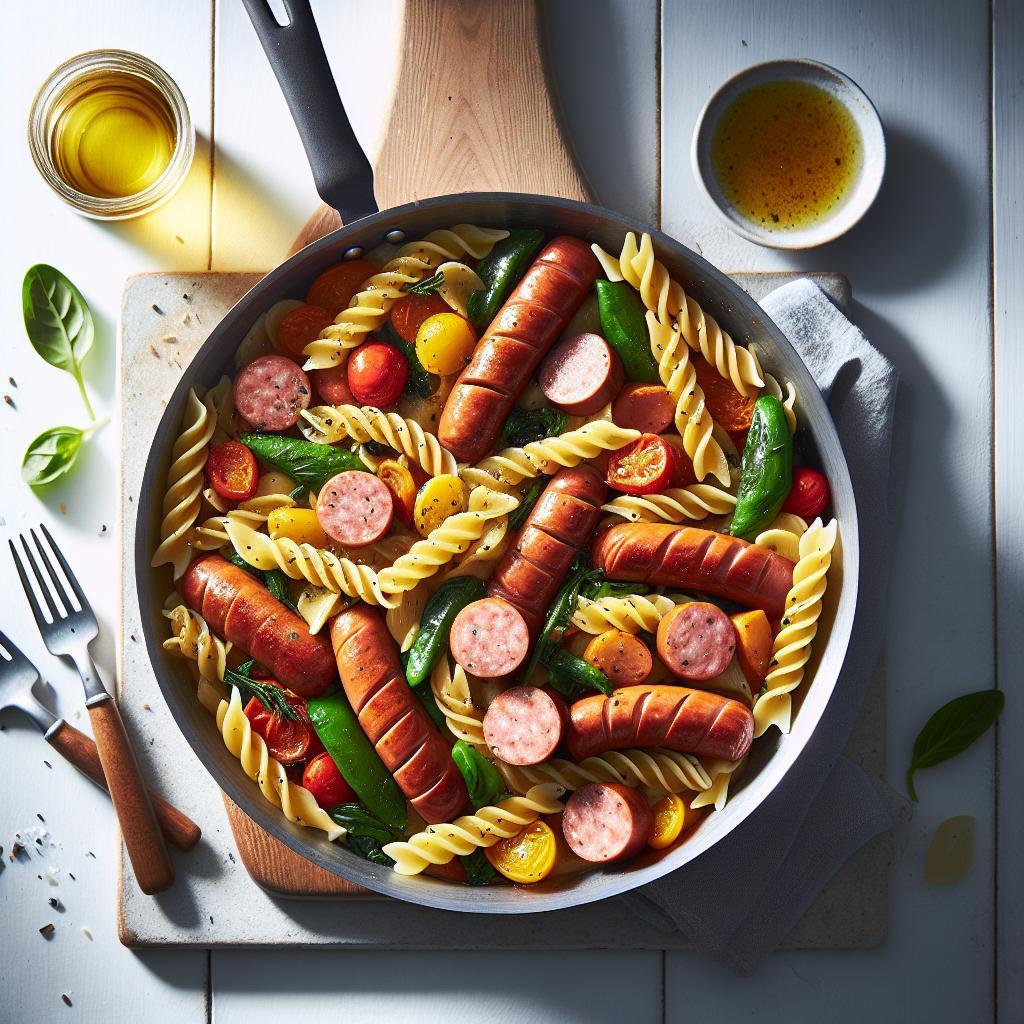

One-pot sausage pasta delivers bold flavor in a single pan and on the table fast. This streamlined dinner braises savory sliced sausage with short pasta in a tomato-forward broth, finished with grated cheese and fresh herbs for bright contrast. The recipe scales easily, accepts swaps for dietary needs, and keeps cleanup to a minimum.
- Ready in about 35 minutes: prep and simmer with minimal hands-on time.
- One pan: everything cooks together to concentrate flavor and cut dishes.
- Flexible: swap sausage types, use gluten-free pasta, or add veg for volume.
- Family-friendly: balanced protein and carbs that please most palates.
Prep and Cook Time
Prep: 10 minutes. Cook: 25 minutes. Total: 35 minutes.
Organize ingredients first: slice sausage, dice an onion, mince garlic, and measure pasta and broth. With everything staged, you can start the pot and work on a quick side or set the table while it simmers.
Yield
This recipe serves four healthy portions as an entree. Each serving supplies a satisfying balance of protein and carbohydrates suitable for weeknight dinners.
To scale up, add liquid proportionally: roughly 3/4 cup extra broth for every additional 2 ounces of dry pasta. Leftovers reheat well; add a splash of hot broth to loosen the sauce when warming.
Difficulty Level
Beginner-friendly. The technique relies on basic sautéing and a controlled simmer rather than advanced culinary skills. Timing and simple knife work give the best results.
Watch the pasta near the end of the cook to avoid over-softening. Stir occasionally to keep noodles from clumping and to distribute flavors evenly.
Ingredients
Use the ingredient list below as a template. Substitute freely for dietary needs—plant-based sausages and dairy-free cheese both work well. Choose a short, ridged pasta so the sauce adheres during tossing.
Suggested pantry items produce layered flavor: a neutral oil for sautéing, a spice for warmth, diced tomatoes for body, and low-sodium broth to control salt.
- 12 oz chicken or turkey sausage, sliced (or plant-based sausage)
- 8 oz penne or rigatoni pasta
- 1 tbsp olive oil (olive oil)
- 3 cloves garlic, minced
- 1 small onion, finely diced
- 1 tsp smoked paprika
- ½ tsp red chili flakes (optional)
- 1 can (14 oz) diced tomatoes, undrained
- 3 cups low-sodium chicken broth
- ½ cup grated Parmesan or Parmigiano-Reggiano
- Fresh basil or parsley, chopped for garnish
- Salt and black pepper, to taste
Equipment
Use a wide, deep skillet or a heavy Dutch oven for even heat and room to spread the pasta. A broad surface helps the pasta cook uniformly without layering.
A Dutch oven is ideal when you want steady simmering and less risk of scorching. Keep a slotted spoon or tongs on hand to move browned sausage without losing flavorful fat in the pot.
Step-by-Step Instructions
Follow a brown-then-simmer order for reliable depth and texture. Browning the sausage first creates concentrated savory notes that the sauce builds on.
Control heat and liquid so the pasta finishes al dente while absorbing flavor. Taste early and often in the final minutes.
- Heat the oil over medium heat in the pot. Add sliced sausage and brown until edges caramelize, about 5–6 minutes. Remove with a slotted spoon and set aside.
- Sauté the diced onion in the remaining fat until translucent, roughly 3 minutes. Stir in garlic, smoked paprika, and chili flakes and cook 30–60 seconds until fragrant.
- Pour the diced tomatoes with their juices into the pot and deglaze, scraping browned bits from the base to lift flavor.
- Add the broth and bring the mixture to a simmer. Stir to combine and taste for basic seasoning; adjust pepper but hold on salt until cheese is added.
- Submerge the dry pasta into the simmering liquid so each piece sits mostly underwater. Increase heat briefly to bring to a boil, then lower to maintain a gentle simmer.
- Cover loosely and cook 12–15 minutes, stirring every few minutes to prevent sticking and to promote even absorption. Begin tasting at 10 minutes to gauge doneness.
- Return the sausage to the pot during the final 2–3 minutes to reheat and marry flavors. Fold gently to avoid breaking pasta.
- Finish off heat and stir in grated cheese until silky. Adjust salt and pepper, then garnish with fresh herbs before serving.
Timing and Texture Tips
Stop cooking when the pasta still shows a slight white core; carryover heat will soften it to perfect al dente. If you prefer a looser sauce, add hot broth in 1/4-cup increments while stirring.
Stir gently: aggressive mixing releases excess starch and can thicken the pot too quickly. Keep a cup of hot broth nearby to adjust sauce consistency during plating.
Vegetables slot in easily. Quick-cooking greens like spinach or shredded zucchini go in during the last 3–4 minutes so they stay bright. Frozen peas or corn can be stirred in at the end to heat through without overcooking.
Serving Suggestions
Serve straight from the pot for a rustic family-style presentation or spoon onto warmed plates and finish with a drizzle of olive oil and extra grated cheese. Fresh herbs add aromatic lift and color on the plate.
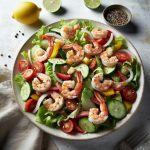
Pair with a crisp green salad tossed in a lemon vinaigrette to cut richness. For heartier appetites, crusty bread or garlic toast makes a satisfying accompaniment.
Nutrition and Swaps
This dish gives a moderate calorie count with a balance of protein and carbohydrates. Use lean sausage and bulk with vegetables to reduce calories per serving while boosting fiber and micronutrients.
For gluten-free needs, use certified gluten-free pasta. For dairy-free diets, omit the cheese or use a plant-based alternative. Check sausage labels for hidden gluten or dairy ingredients when swapping.
Tips for Consistent Success
Season in layers: season sausage during browning, the liquid during simmering, and then adjust after adding cheese. Layered seasoning produces balanced depth without over-salting.
If the sauce tastes thin, a tablespoon of tomato paste stirred in before adding the pasta will tighten the body and enrich color. Use quality canned tomatoes for stable flavor performance.
FAQ
Below are common questions that home cooks ask when making a one-pot sausage pasta. Short answers give practical solutions you can apply while cooking.
These answers reflect standard culinary technique and label-aware substitutions for dietary restrictions.
What makes one-pot sausage pasta such a reliable weeknight option?
It simplifies steps by layering flavor in a single vessel and reduces cleanup dramatically. Prep is short and most ingredients are pantry-friendly, which helps when time is tight.
Can I use any sausage type?
Yes. Chicken, turkey, pork, beef, or plant-based sausages all work. If the sausage is pre-spiced, adjust added seasonings to keep the final dish balanced.
How do I avoid mushy pasta?
Follow the liquid-to-pasta ratio and begin tasting early. Remove the pot from heat when pasta reaches al dente, as residual heat softens the center slightly.
Is this easy to make gluten-free or dairy-free?
Absolutely. Swap in gluten-free pasta and a plant-based cheese or omit cheese for dairy-free needs. Always check processed sausage labels for cross-ingredients.
What vegetables work best in this dish?
Quick-cooking vegetables like spinach, zucchini, bell peppers, mushrooms, and frozen peas integrate well when added in the final minutes. For dense root vegetables, pre-roast or sauté them until tender before adding pasta.
For background on core ingredients, consult these resource pages: sausage, pasta, and olive oil. They provide context on varieties and regional differences that can influence flavor.
See also: Sausage pasta