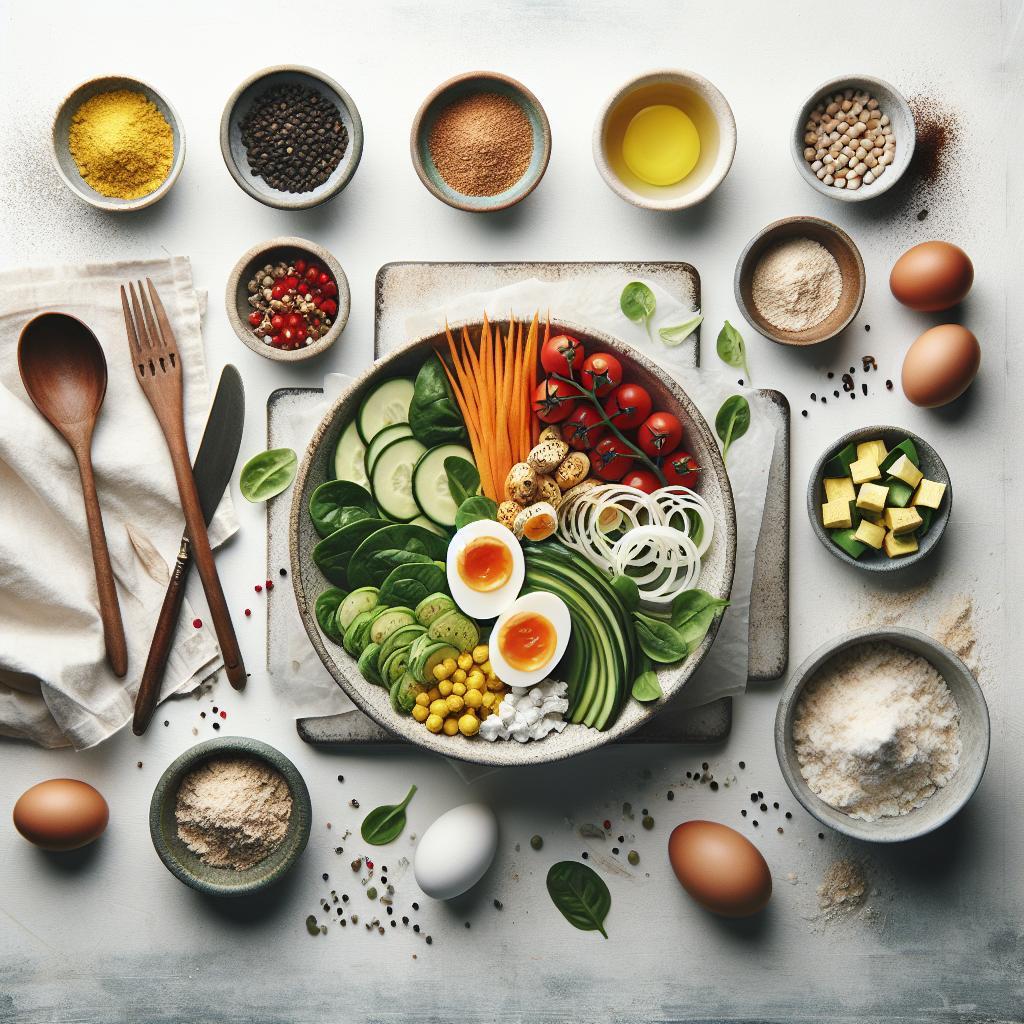

Pantry Staples: Crafting Complete Meals from Seven Essentials
The pantry is a system, not a pile. Use seven reliable pantry staples to build fast, nutritious dinners that travel well from shelf to plate.
- Combine grain + protein + fat for a balanced plate.
- Layer aromatics and acid to lift canned ingredients.
- Reserve pasta water to bind sauces without extra cream.
- Rotate staples to keep the pantry useful and low-waste.
Why Pantry Meals Work
Pantry meals scale because they rely on stable, shelf-stable items that hold well and recombine easily. That predictability speeds decisions and reduces food waste.
Using Pantry Staples lets you treat the pantry like a modular kitchen: grains for structure, legumes or canned fish for body, and preserved fats and spices for flavor. This repeatable framework improves efficiency and consistency when cooking.
For a quick reference on preserved foods, see canned food. That page explains why canned goods remain safe and versatile when stored correctly.
Core Pantry Staples (7 Essentials)
These seven items cover most savory recipes and let you make complete meals with minimal fresh additions. Keep them on rotation and substitute within categories as needed.
List of essentials:
- Dried pasta or rice — a starchy base that carries sauce.
- Canned legumes — beans or lentils for protein and fiber.
- Canned tomatoes — concentrated acidity and umami.
- Olive oil or neutral oil — for sautéing and mouthfeel.
- Dried spices — smoked paprika, chili flakes, oregano.
- Alliums — onions and garlic (fresh or powdered).
- Vinegar or citrus — acid to brighten finished dishes.
For the role legumes play in meals, consult the legume entry. It outlines nutritional benefits and common varieties.
Prep and Cook Time
Prep: About 15 minutes for chopping aromatics and rinsing beans. Prep time varies if you soak legumes or roast vegetables first.
Cook: Around 25 minutes for most pasta-based assemblies; simmer sauces on low to meld flavors without overcooking the beans.
Total time usually sits near 40 minutes for weeknight builds. Batch-cooking sauce or grains reduces hands-on time later and improves finishing speed.
Yield and Scaling
This template typically feeds four people and reheats well for lunches. Adjust portions by multiplying the base quantities and lengthening simmer time slightly for larger pots.
When scaling, taste frequently and re-balance salt and acid. Larger batches sometimes need a splash more acid or heat to maintain brightness.
Ingredients (Flexible Measurements)
Use the list below as measured starting points; swap within categories to suit what you have. The structure matters more than exact items.
Starting ingredients:
- 200g dried short pasta or 2 cups dried rice.
- 1 can (400g) cannellini or chickpeas, drained and rinsed.
- 3 tbsp olive oil.
- 1 medium onion, finely chopped and 3 cloves garlic, minced.
- 1 tsp smoked paprika, ½ tsp chili flakes, 1 tsp dried oregano.
- 1 can (400g) diced tomatoes.
- Salt and black pepper, plus fresh herbs for garnish.
Instructions
These steps emphasize layered flavor and texture: al dente pasta, tender beans, and a saucy finish. Work in parallel where possible to save active time.
Taste as you go; seasoning should evolve while you cook, not be an afterthought.
1. Cook the Grain
Bring a large pot of well-salted water to a rolling boil and cook the pasta until al dente. For rice, follow package timing and keep a lid tight while steaming.
Reserve one cup of starchy cooking water before draining. That liquid binds sauce and creates a silky finish without extra fat.
2. Sauté Aromatics
Heat olive oil over medium heat, then add chopped onion and cook until translucent. Add garlic and lower the heat to prevent burning and bitterness.
Keep the spices nearby and toast them briefly in the oil to release aroma before adding tomatoes. Toasting boosts flavor concentration without new ingredients.
3. Build the Sauce
Add smoked paprika, chili flakes, and oregano to the softened aromatics and toast for 20–30 seconds. Next, stir in diced tomatoes, season with salt and simmer for 8–12 minutes.
Reduce the sauce until slightly thickened; this concentrates flavor and ensures the sauce clings to the pasta or rice effectively.
4. Add Beans for Body
Stir in drained canned beans and warm through for 4–6 minutes. Mash a portion of the beans against the pan to thicken and emulsify the sauce naturally.
The mashed beans add creaminess without dairy and help the sauce adhere to grains while boosting protein and fiber.
5. Combine and Finish
Fold the cooked grain into the skillet and toss. If the sauce seems tight, add reserved starchy water in small splashes until you reach the desired texture.
Finish with a squeeze of lemon or a splash of vinegar for brightness, then garnish with chopped parsley or basil and optional grated cheese or nutritional yeast.
Tips for Success
Small technique tweaks make a big difference: use quality oil, toast spices correctly, and taste repeatedly. Those simple moves deepen flavor and avoid common pitfalls.
Use a heavy-bottomed skillet to prevent hot spots and burning. Even heat distribution keeps garlic sweet and spices fragrant rather than bitter.
Rotate your Pantry Staples so nothing languishes past its prime. Label open cans and keep similar items grouped to speed meal assembly.
Pro-Caution
Inspect canned goods before use. Discard any with bulging lids, deep dents near seams, or off odors; those signs indicate compromised safety.
If you plan to use dried legumes instead of canned, allow additional time for soaking and cooking. Account for that time in meal planning to avoid dinner delays.
Serving Suggestions
Pair this pantry-based pasta with a crisp green salad dressed with a simple lemon vinaigrette. The acid and crunch balance the dish’s richness and add freshness.
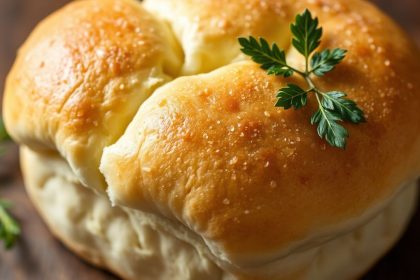
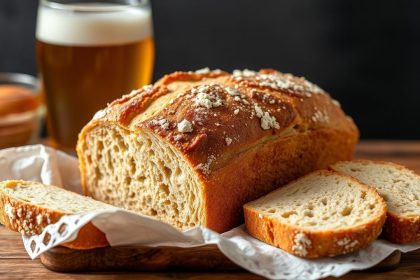
Serve with crusty bread brushed with garlic oil for sauce dipping. That simple side prolongs eating pleasure and appeals to most household tastes.
Want to expand meal routines? See our internal meal prep ideas and pantry organization resources for batch-cooking strategies and storage tips.
Nutrition
This template balances carbohydrate from pasta or rice with protein and fiber from legumes and healthy fats from oil. Macronutrient totals vary by portion size and exact ingredients.
Example per serving: roughly 420 kcal, 17 g protein, 60–65 g carbohydrates, and 8–10 g fat. For precise tracking, match portions and brands to your nutrition calculator.
For broader nutrient roles and recommendations, consult the nutrition overview. It explains how macronutrients and micronutrients support health.
Variations and Swaps
Swap grains to change texture and glycemic profile: brown rice, farro, or quinoa all work but need different liquid ratios and cook times.
Alternate proteins: canned tuna, shredded cooked chicken, or lentils integrate easily and tailor the plate to dietary needs and preferences.
- Vegetarian boost: Add sautéed mushrooms or roasted squash for extra umami and bulk.
- Heat control: Reduce chili flakes or add them at the table to keep options open for diners.
If you need a dairy-rich finish, stir in a tablespoon of cream or yogurt off the heat. For vegan options, use nutritional yeast or olive-oil-finished toasted breadcrumbs.
For pantry organization methods and swapping strategies, the pantry page outlines common layouts and rotation practices retailers and chefs use.
FAQ
These common questions address technique and ingredient choices so you can apply them while cooking.
Q1: What are Pantry Staples?
Pantry Staples are shelf-stable basics—grains, canned legumes, tomatoes, oil, and spices—that combine to form complete meals. They reduce last-minute shopping and simplify weeknight cooking.
Q2: How long do canned staples last?
Unopened canned goods last years when stored in a cool, dry place. Check manufacturer dates and discard any can with obvious damage. Safe handling extends pantry reliability.
Q3: Can I use dried beans instead of canned?
Yes. Dried beans need soaking and longer cooking, which adds planning time but often improves texture and flavor. Reserve some cooked beans in the fridge for quick use.
Q4: How do I thicken the sauce without cream?
Mash some cooked beans or reduce the sauce by simmering. Reserved starchy cooking water also emulsifies the sauce, giving a creamy mouthfeel without extra fat.
Q5: What small tools improve pantry cooking?
A heavy skillet, a sharp chef’s knife, and a heatproof spoon transform pantry staples into better meals. Good tools make technique more consistent and results more reliable.
Use these steps and the seven Pantry Staples as a framework for improvisation. Consistent technique and a small, intentional pantry yield dependable, flavorful meals every week.
See also: Pantry Staples